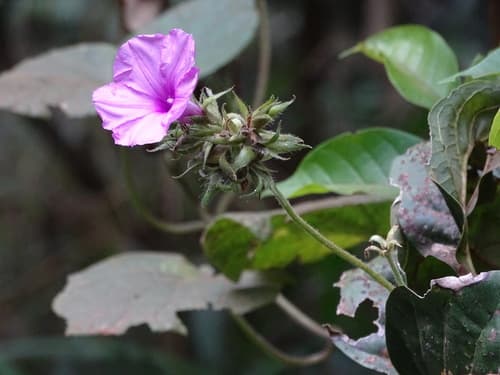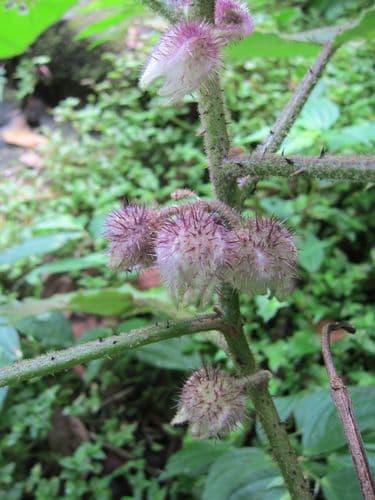
Solanum involucratum
NameSolanum involucratum
Scientific NameSolanum involucratum
Plant FamilySolanaceae
Natural HabitatNative to the Andean regions of South America, typically found in disturbed areas, forest margins, and open woodlands at various elevations.
Parts Usedleaf,fruit
Medicinal Actionsanti-inflammatory, analgesic
Traditional UsesSpecific traditional medicinal uses for Solanum involucratum are not widely documented. However, other species within the Solanum genus are traditionally used, often externally, for their anti-inflammatory and pain-relieving properties, typically as poultices or washes, with extreme caution due to potential toxicity.
Active Constituentssteroidal glycoalkaloids, saponins
Preparation Methodspoultice, decoction
Contraindications & WarningsAll parts of Solanum involucratum are likely toxic due to the presence of steroidal glycoalkaloids. Internal use is highly discouraged and potentially dangerous. Avoid use during pregnancy, lactation, and in individuals with liver or kidney conditions. Skin irritation may occur with topical application.
Cultivation NotesPrefers well-drained soil and a warm, humid climate, thriving in full sun to partial shade. As a spiny shrub, it requires adequate space.
Rarityuncommon
Description
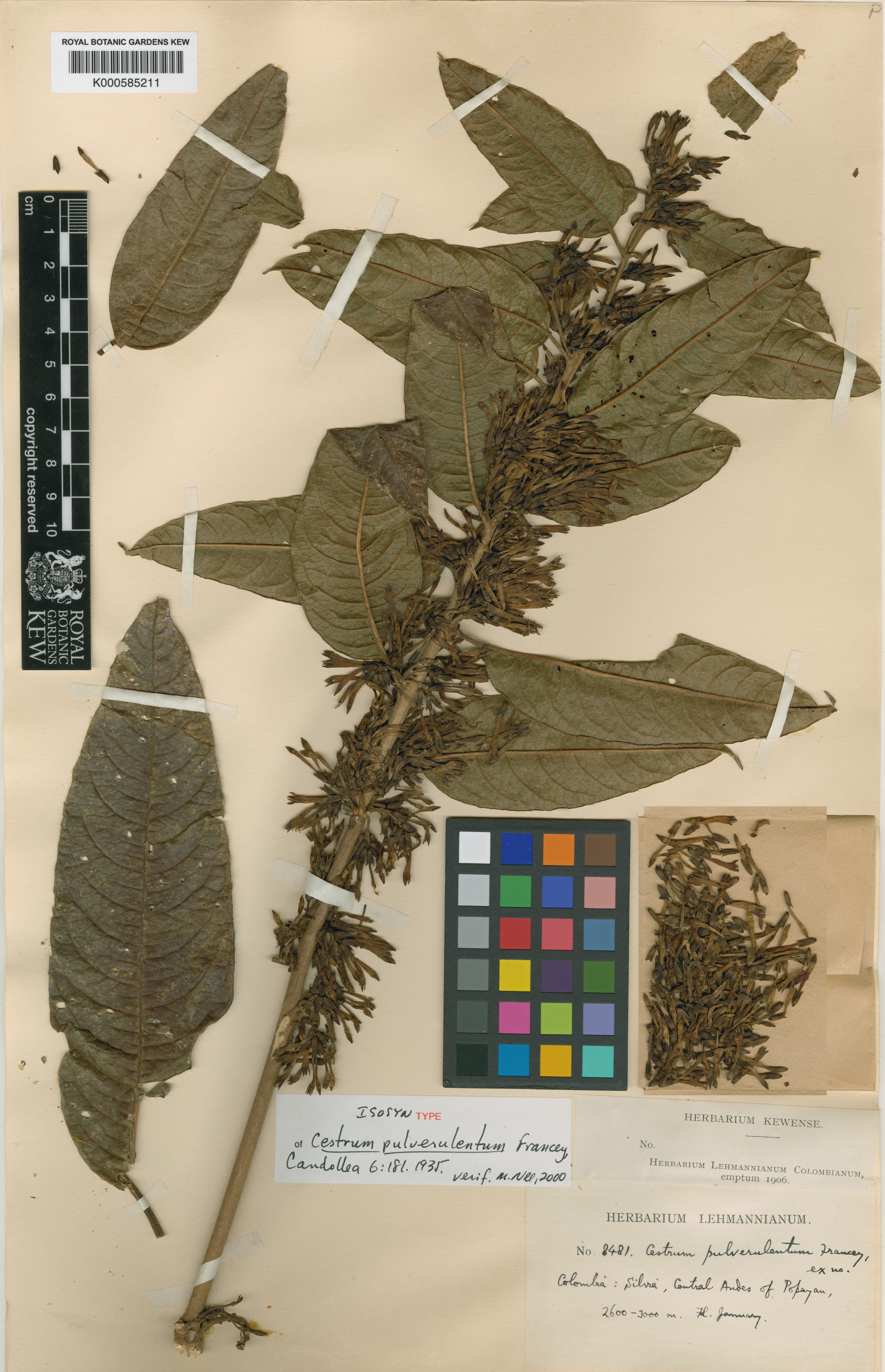
A spiny shrub or small tree characterized by densely hairy stems and leaves. The plant produces clusters of purplish-white, densely spiny or hairy flower buds and developing fruits, as seen in the image.