Evolvulus gypsophiloides
NameEvolvulus gypsophiloides
Scientific NameEvolvulus gypsophiloides
Plant FamilyConvolvulaceae
Natural HabitatTypically found in dry, open, and sunny habitats, often in rocky or sandy soils in tropical and subtropical regions. It thrives in well-drained conditions.
Parts Usedwhole_plant
Medicinal Actionsnervine, adaptogen, antioxidant, anti-inflammatory
Traditional UsesWhile specific traditional medicinal uses for *Evolvulus gypsophiloides* are not widely documented, other species within the *Evolvulus* genus, such as *E. alsinoides*, are traditionally valued in Ayurvedic medicine as a brain tonic to enhance memory, reduce anxiety, and alleviate stress. These properties are often attributed to its nervine and adaptogenic qualities.
Active Constituentsalkaloids, flavonoids, coumarins, triterpenoids
Preparation Methodsinfusion, decoction, powder
Contraindications & WarningsSpecific contraindications for *Evolvulus gypsophiloides* are not well-documented. As a general precaution, consult a healthcare professional before use, especially during pregnancy, lactation, or if taking other medications that may interact with nervine or adaptogenic compounds.
Cultivation NotesPrefers full sun exposure and well-drained soil, tolerating sandy or rocky conditions. It is generally drought-tolerant once established and thrives in warm climates, making it suitable for xeriscaping or rock gardens.
Rarityuncommon
Description
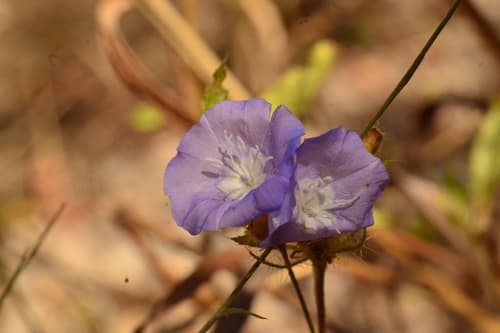
A perennial herbaceous plant characterized by small, funnel-shaped flowers, typically light purple or lavender with a white center. It generally exhibits a low-growing or prostrate habit, often found sprawling across the ground.