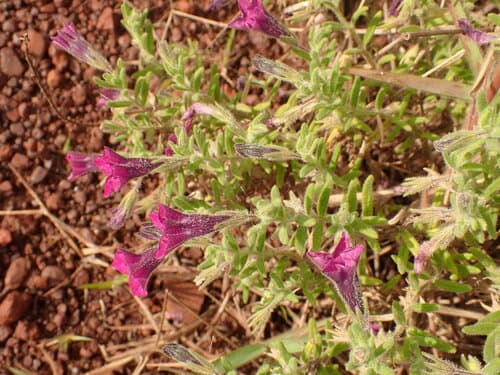
Ridged Dodder
NameRidged Dodder
Scientific NameCuscuta gronovii
Common NamesRidged Dodder, Common Dodder, Gronovius' Dodder
Plant FamilyConvolvulaceae
Natural HabitatThis obligate parasite is found in a wide range of habitats, including wetlands, moist fields, disturbed areas, and along watercourses, where it can find suitable herbaceous or woody host plants to parasitize.
Parts Usedwhole_plant,seed
Medicinal Actionsadaptogen, anti-inflammatory, antioxidant, astringent, diuretic
Traditional UsesIn traditional medicine, particularly in Traditional Chinese Medicine (TCM) for related *Cuscuta* species, the seeds (Tu Si Zi) are highly valued as a kidney and liver tonic. They are traditionally used to support reproductive health, improve vision, and treat conditions such as impotence, premature ejaculation, frequent urination, and chronic diarrhea. The whole plant may also be used for its diuretic and astringent properties.
Active Constituentsflavonoids, lignans, polysaccharides, alkaloids, phenolic acids
Preparation Methodsinfusion, decoction, tincture, powder
Contraindications & WarningsDodder is generally contraindicated during pregnancy and lactation. In TCM, it is advised against for individuals with yin deficiency with heat signs or severe constipation. Due to its parasitic nature and potential toxicity in large doses, consultation with a qualified healthcare professional is recommended before use.
Cultivation NotesAs an obligate parasitic plant, Ridged Dodder cannot be cultivated independently; it requires a living host plant to survive and grow. It is often considered an agricultural weed and is typically harvested from wild populations rather than cultivated.
Raritycommon
Description
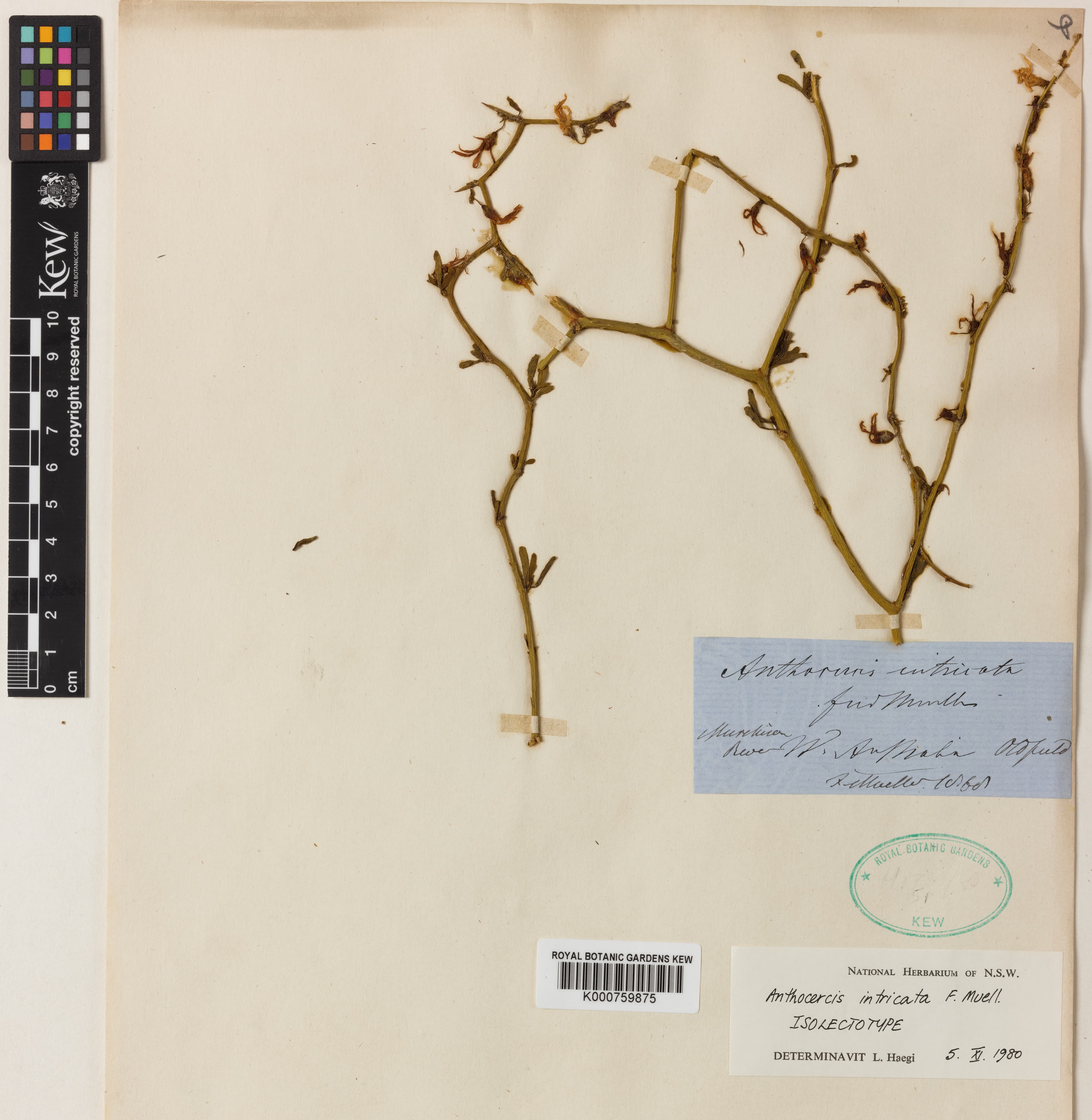
Ridged Dodder is a parasitic annual vine characterized by its thin, leafless, yellowish-orange to reddish-brown stems that twine tightly around various host plants. It produces small clusters of white to cream-colored, star-shaped flowers along its stems.