Rhodiola
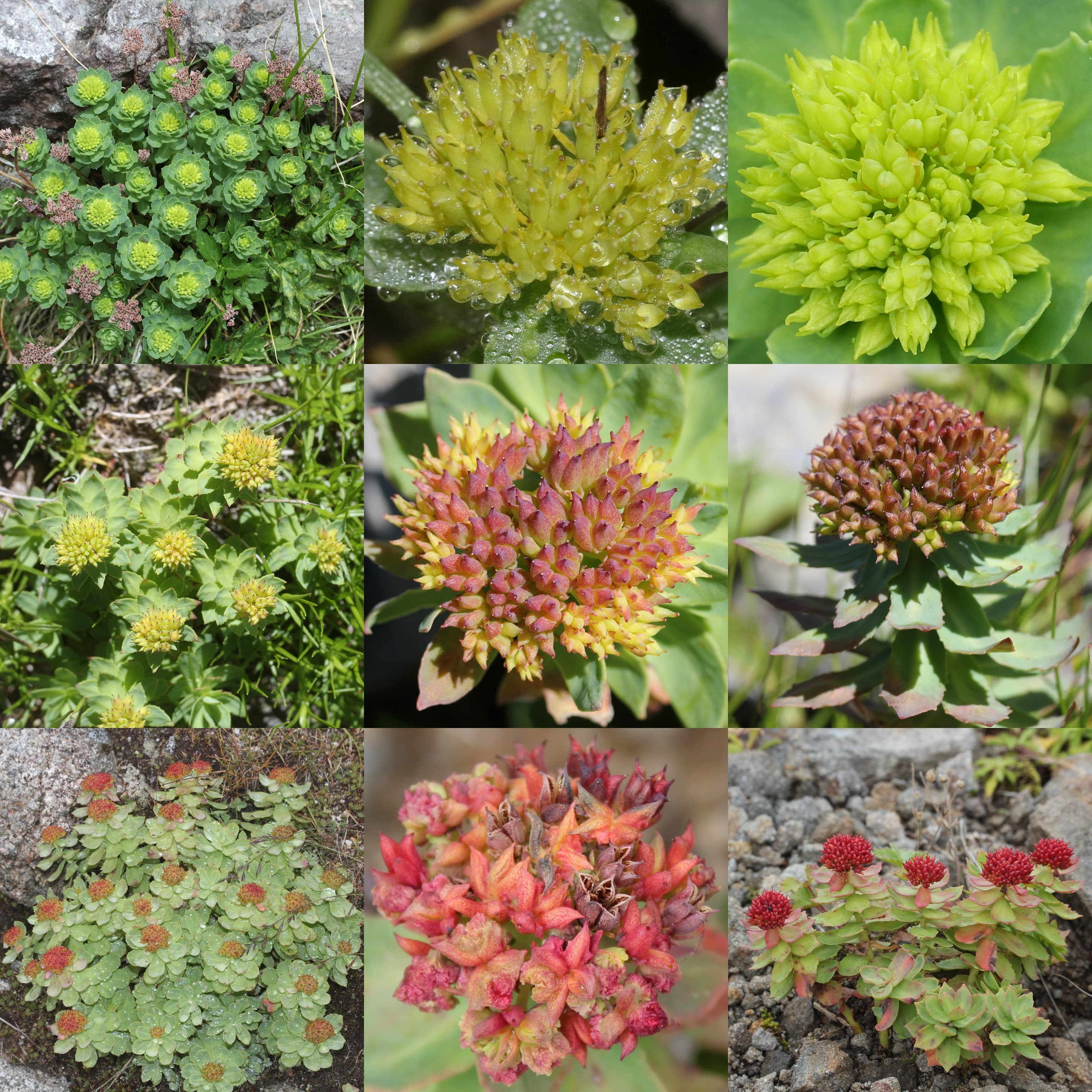
Image: Alpsdake (CC BY-SA 4.0)
NameRhodiola
Scientific NameRhodiola rosea
Common NamesGolden Root, Rose Root, Arctic Root, King's Crown
Plant FamilyCrassulaceae
Natural HabitatNative to cold, high-altitude regions of Europe, Asia, and North America, including arctic areas, mountains, and rocky slopes. It thrives in harsh, exposed environments.
Parts Usedroot
Medicinal Actionsadaptogen, anti-inflammatory, antioxidant, nervine
Traditional UsesTraditionally used to increase physical and mental endurance, reduce fatigue, improve mood, and enhance resistance to stress. It has been employed for centuries in traditional medicine systems for its adaptogenic properties, supporting overall vitality and cognitive function.
Active Constituentsrosavins, salidroside, tyrosol, rhodiolin
Preparation Methodstincture, powder, infusion, decoction
Contraindications & WarningsGenerally considered safe, but may cause overstimulation or insomnia in sensitive individuals, especially if taken late in the day. Caution is advised for individuals with bipolar disorder or those taking MAO inhibitors.
Cultivation NotesPrefers well-drained, rocky soil and full sun to partial shade. It is cold-hardy and drought-tolerant once established, making it suitable for alpine gardens or containers in cooler climates.
Rarityuncommon
Description
Rhodiola rosea is a succulent perennial herb characterized by its thick, fleshy leaves arranged in rosettes and clusters of small, often yellowish-green to reddish flowers. It typically grows low to the ground, forming dense mats, and is known for its distinctive rose-like scent when the root is cut.