Rhodiola
NameRhodiola
Scientific NameRhodiola rosea
Common NamesRoseroot, Golden Root, Arctic Root, King's Crown
Plant FamilyCrassulaceae
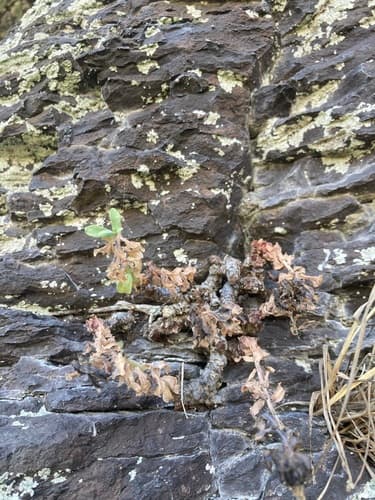
Natural HabitatNative to cold, high-altitude regions of Europe, Asia, and North America, growing on rocky slopes, cliffs, and arctic tundras.
Parts Usedroot
Medicinal Actionsadaptogen, antioxidant, anti-inflammatory, nervine
Traditional UsesTraditionally used to enhance physical and mental performance, reduce fatigue, and help the body adapt to various stressors. It has been employed for centuries in traditional medicine systems for improving mood, combating altitude sickness, and increasing endurance.
Active ConstituentsRosavins, Salidroside, Tyrosol, Flavonoids
Preparation Methodstincture, decoction, powder
Contraindications & WarningsMay interact with antidepressant medications (SSRIs, MAOIs) and blood pressure medications. Individuals with bipolar disorder should avoid it. Not recommended during pregnancy or lactation without professional medical advice.
Cultivation NotesPrefers well-drained, rocky or sandy soil and thrives in full sun to partial shade in cold climates. It can be propagated from seeds or by dividing the rhizomes.
Rarityuncommon
Description
Rhodiola rosea is a succulent perennial herb characterized by its thick, rose-scented rhizome and fleshy leaves. It typically produces clusters of small yellow flowers.