Refracted Nightshade
NameRefracted Nightshade
Scientific NameSolanum refractum
Common NamesRefracted Nightshade
Plant FamilySolanaceae
Natural HabitatNative to South America, particularly found in dry forests, cerrado, and caatinga biomes of Brazil, Paraguay, and Argentina. It thrives in well-drained soils and can tolerate a range of light conditions from full sun to partial shade.
Parts Used
Traditional UsesNo specific traditional medicinal uses are widely documented for *Solanum refractum*. Many species within the *Solanum* genus are known to contain toxic glycoalkaloids (such as solanine) and should be handled with extreme caution. There is no reliable ethnobotanical record of its use as a medicinal plant.
Contraindications & WarningsDue to the general toxicity of many *Solanum* species, which often contain steroidal glycoalkaloids, *Solanum refractum* should be considered potentially toxic. Ingestion is not recommended, and it should not be used internally or externally without expert guidance. Specific contraindications are unknown due to a lack of documented medicinal use.
Cultivation NotesThis species prefers warm climates and well-drained soil. It can be propagated by seed. It is generally hardy in its native range and can tolerate some drought once established.
Raritycommon
Description
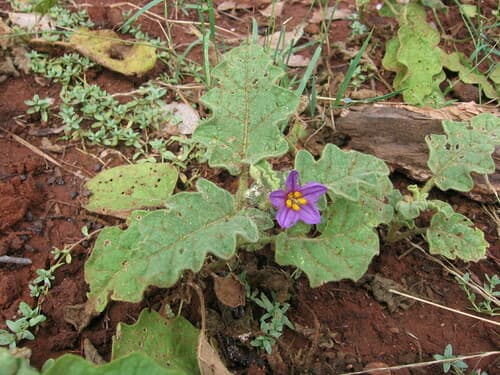
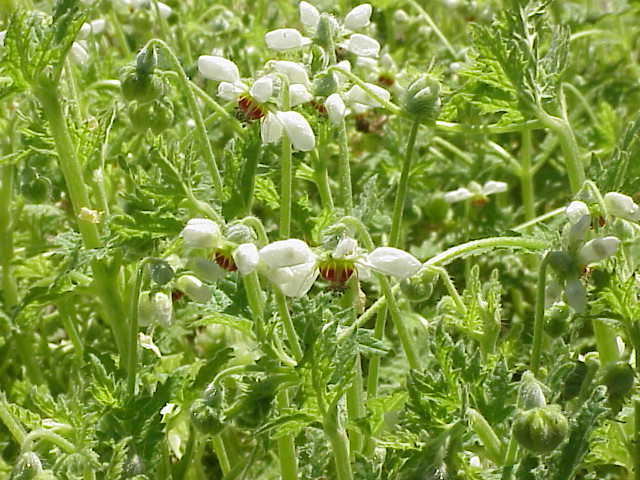
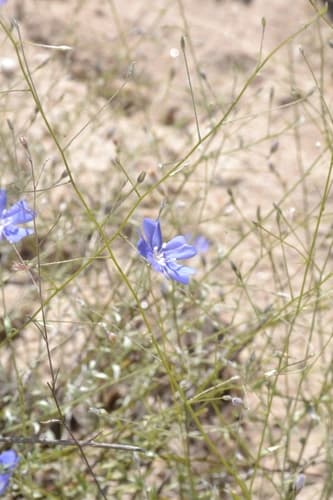
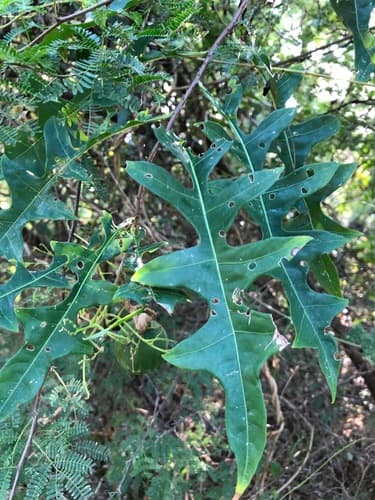
Solanum refractum is a perennial shrub or small tree, typically growing 1-3 meters tall. It is characterized by its deeply lobed or pinnatifid leaves, which are often somewhat leathery and can vary in shape. The plant produces small, typically white or purplish flowers followed by small, spherical berries.