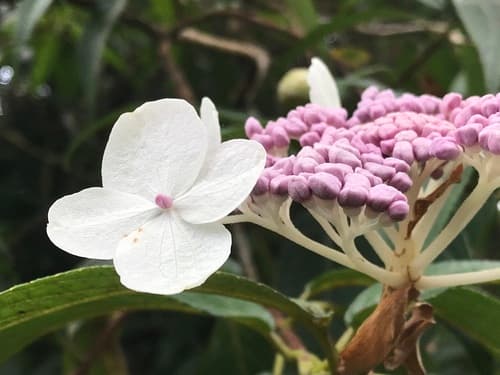
Hydrangea longifolia
NameHydrangea longifolia
Scientific NameHydrangea longifolia
Common NamesHydrangea, Lacecap Hydrangea
Plant FamilyHydrangeaceae
Natural HabitatTypically found in woodlands, forest edges, and moist, shaded areas in temperate regions, often preferring well-drained, acidic to neutral soils.
Parts Usedroot,leaf
Medicinal Actionsanti-inflammatory, astringent, diuretic
Traditional UsesTraditionally, species within the Hydrangea genus, particularly the root, have been used to support urinary tract health, aid in the dissolution and passage of kidney and bladder stones, and address conditions like benign prostatic hyperplasia (BPH). It is also employed as a diuretic and for its anti-inflammatory properties in conditions such as rheumatism and gout.
Active Constituentshydrangin, saponins, flavonoids, calcium oxalate
Preparation Methodsdecoction, tincture, infusion
Contraindications & WarningsNot recommended for use during pregnancy or breastfeeding. Large doses may cause gastrointestinal upset including nausea, vomiting, and diarrhea. Use with caution in individuals with kidney disease or those taking diuretics or blood-thinning medications.
Cultivation NotesPrefers partial shade to full sun (depending on climate and cultivar), and consistently moist, well-drained, acidic to neutral soil. Requires regular watering, especially during dry periods, and benefits from mulching to retain soil moisture.
Raritycommon
Description
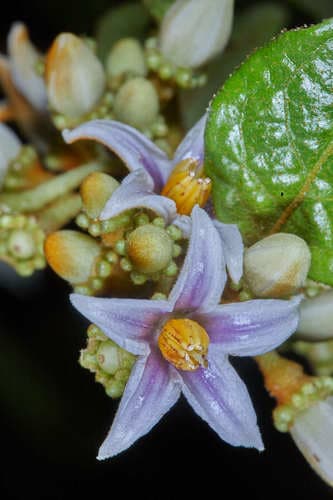
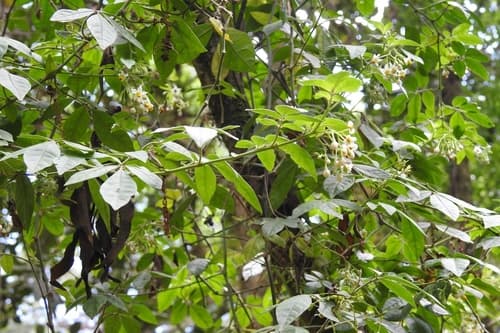
A deciduous shrub characterized by its distinctive lacecap inflorescences, featuring large, showy white sterile florets bordering a central cluster of smaller, fertile pinkish-purple buds. The leaves are typically ovate, serrated, and dark green.