Purple Morning-Glory
NamePurple Morning-Glory
Scientific NameIpomoea leptophylla
Common NamesBush Morning Glory, Bush Moonflower, Purple Morning Glory
Plant FamilyConvolvulaceae
Natural HabitatNative to the dry prairies, plains, and rocky slopes of central and western North America, thriving in sandy or gravelly soils and full sun.
Parts Usedroot
Medicinal Actionsdemulcent, adaptogen
Traditional UsesTraditionally, the large starchy root was a significant food source for Native American tribes. Medicinally, it was employed as a strong purgative for constipation and stomach ailments, and sometimes as a general tonic to promote strength and vitality.
Active ConstituentsGlycosidic resins, Starch
Preparation Methodsdecoction, powder
Contraindications & WarningsDue to its potent purgative effects, excessive consumption can lead to severe gastrointestinal distress, dehydration, and electrolyte imbalances. It is not recommended for pregnant or nursing women, or individuals with intestinal obstruction or inflammatory bowel conditions.
Cultivation NotesThis plant prefers full sun and well-drained, sandy or rocky soils. It is highly drought-tolerant once established and can be propagated from seed.
Raritycommon
Description
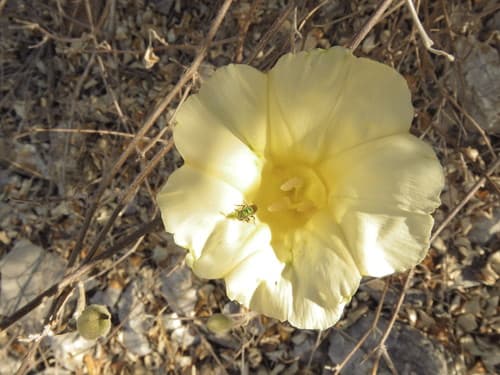
A perennial plant characterized by its large, starchy taproot and striking purple, trumpet-shaped flowers. Its distinctive linear to lanceolate leaves grow on sprawling or erect stems, often found in dry, rocky environments.