Jasmine Tobacco
NameJasmine Tobacco
Scientific NameNicotiana alata
Common NamesJasmine Tobacco, Flowering Tobacco, Winged Tobacco
Plant FamilySolanaceae
Natural HabitatNative to South America, particularly Brazil, Argentina, Paraguay, and Uruguay. It thrives in open, disturbed areas and is widely cultivated globally in gardens and landscapes.
Parts Usedleaf
Medicinal Actionsanalgesic, sedative
Traditional UsesWhile Nicotiana alata is primarily ornamental, other species within the Nicotiana genus have a long history of traditional use by indigenous cultures for ceremonial, spiritual, and medicinal purposes. These uses often involved smoking or chewing leaves for pain relief, wound healing, or as a mild stimulant/sedative, despite the inherent toxicity.
Active ConstituentsNicotine, Anabasine, Nornicotine
Preparation Methodspowder, poultice
Contraindications & WarningsHighly toxic and not safe for internal consumption. Contains potent alkaloids like nicotine, which can cause nausea, vomiting, dizziness, respiratory paralysis, and death. Avoid use during pregnancy, lactation, and by individuals with heart conditions or those taking medications affecting the nervous system.
Cultivation NotesEasily grown from seed, preferring full sun to partial shade and well-drained, fertile soil. Requires regular watering and benefits from deadheading to encourage continuous blooming. Can readily self-seed in favorable conditions.
Raritycommon
Description
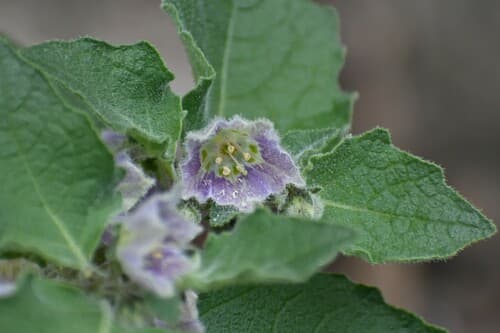
An ornamental annual or short-lived perennial, Nicotiana alata is characterized by its tall, sticky stems and large basal leaves. It produces highly fragrant, trumpet-shaped white flowers that typically open in the evening, attracting nocturnal pollinators.