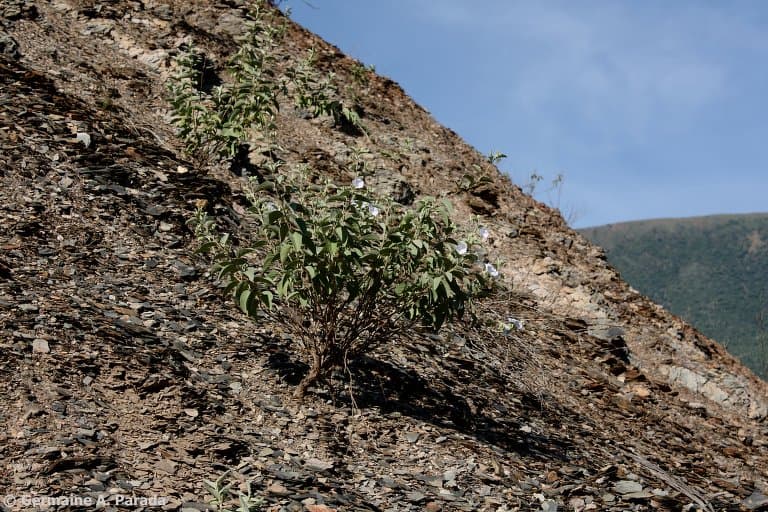
Purple Groundcherry
NamePurple Groundcherry
Scientific NamePhysalis philadelphica
Common NamesTomatillo, Mexican Groundcherry, Purple Groundcherry, Husk Tomato
Plant FamilySolanaceae
Natural HabitatNative to Mexico and Central America, this plant thrives in warm climates, often found in disturbed soils, fields, and gardens. It prefers full sun and well-drained soil.
Parts Usedfruit,leaf,whole_plant
Medicinal Actionsanti-inflammatory, antimicrobial, antioxidant, diuretic
Traditional UsesIn traditional Mexican medicine, the fruit and sometimes leaves of the tomatillo have been used for their diuretic properties, to treat fevers, and for various stomach ailments. It has also been applied externally as a poultice for skin conditions. The ripe fruit is primarily consumed as food, contributing to overall health.
Active ConstituentsPhysalins, flavonoids, carotenoids, vitamin C, phenolic compounds
Preparation Methodsinfusion, decoction, poultice, powder
Contraindications & WarningsUnripe fruits and leaves contain solanine and other glycoalkaloids, which can be toxic if consumed in large quantities. Ripe fruits are generally safe for consumption. Individuals with allergies to other Solanaceae plants (e.g., tomatoes, potatoes) should exercise caution.
Cultivation NotesEasily grown from seed in warm climates, requiring full sun, well-drained soil, and consistent moisture. Plants benefit from staking or caging as they grow tall. Fruits are harvested when the papery husk fills out and begins to split.
Raritycommon
Description
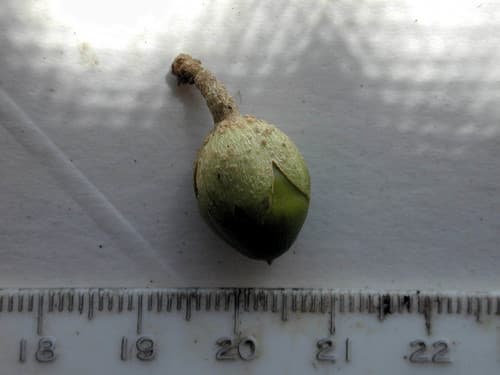
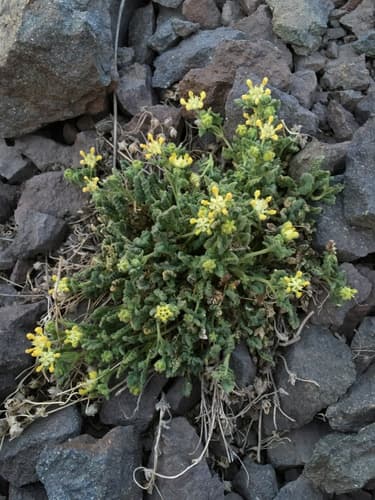
An annual herbaceous plant growing up to 1-2 meters tall, characterized by broad, ovate to heart-shaped leaves. It produces small, bell-shaped flowers that can be yellow, white, or purple, often with darker spots in the throat, and its fruit is encased in an enlarging, papery calyx (husk).