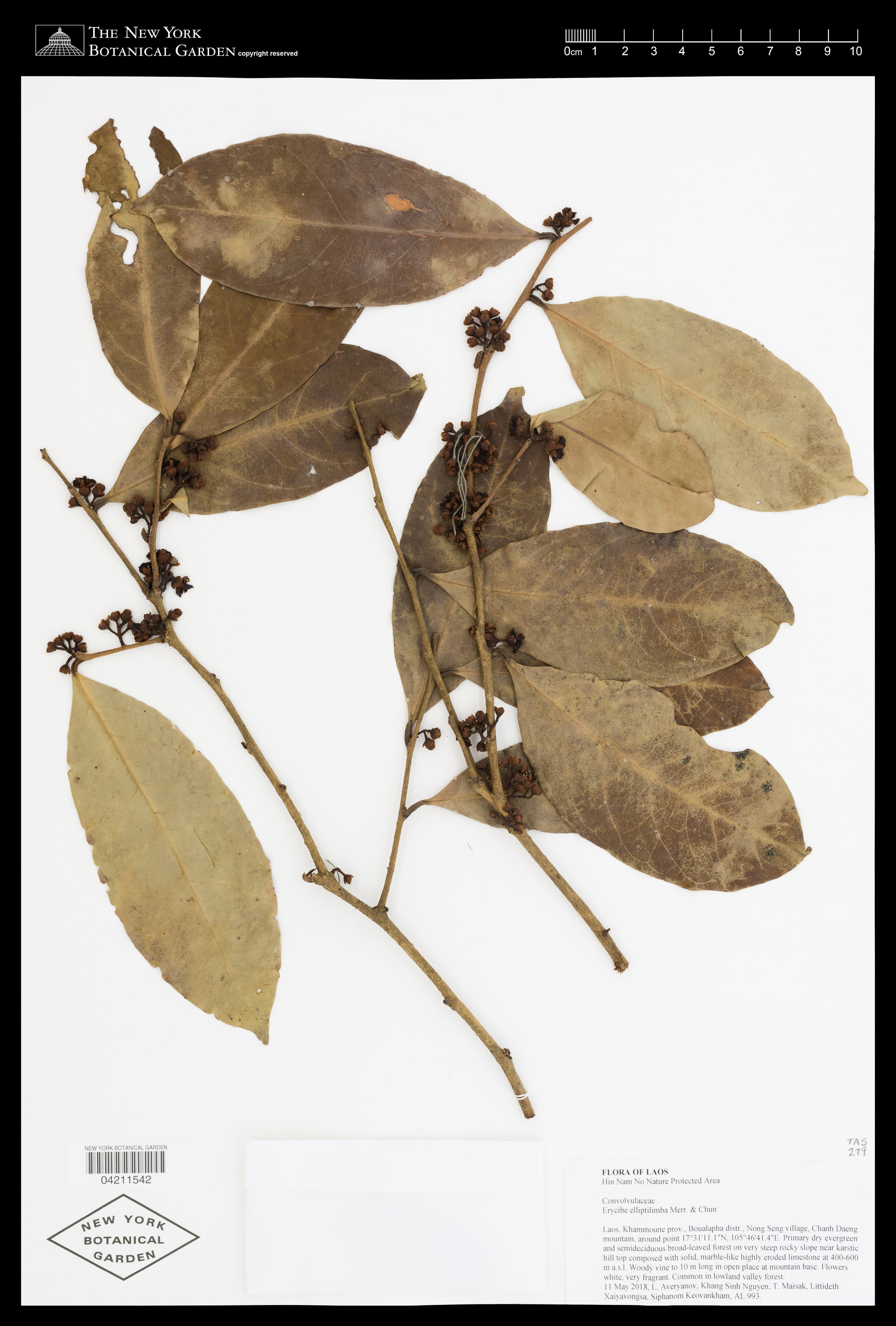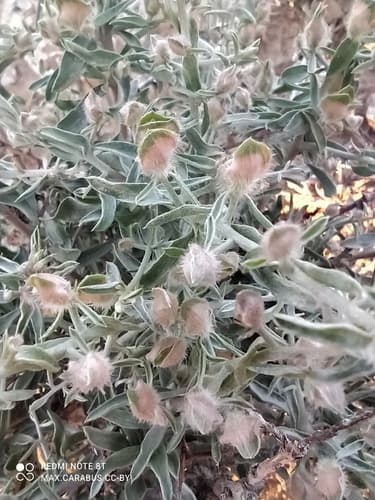
Convolvulus spinosus
NameConvolvulus spinosus
Scientific NameConvolvulus fruticosus
Common NamesDesert Bindweed, Shrubby Bindweed
Plant FamilyConvolvulaceae
Natural HabitatNative to arid and semi-arid regions of Central Asia and Eastern Europe, thriving in steppes, deserts, rocky slopes, and sandy soils. It is highly adapted to dry, harsh environments.
Parts Usedwhole_plant
Medicinal Actionsanti-inflammatory, antioxidant
Traditional UsesSpecific traditional medicinal uses for Convolvulus fruticosus are not widely documented in common ethnobotanical literature. However, other species within the Convolvulus genus are traditionally known for their purgative properties and sometimes used externally for skin ailments.
Active Constituentsresin glycosides, flavonoids, phenolic compounds
Preparation Methodsinfusion, decoction
Contraindications & WarningsDue to the presence of resin glycosides in related species, potential for gastrointestinal upset and laxative effects exists. Specific safety data for Convolvulus fruticosus is limited, so caution is advised, especially during pregnancy or lactation, and with existing gastrointestinal conditions.
Cultivation NotesThis plant is highly drought-tolerant and prefers full sun exposure with well-drained, sandy or rocky soil. It is a low-maintenance plant once established, suitable for xeriscaping in arid climates.
Raritycommon
Description
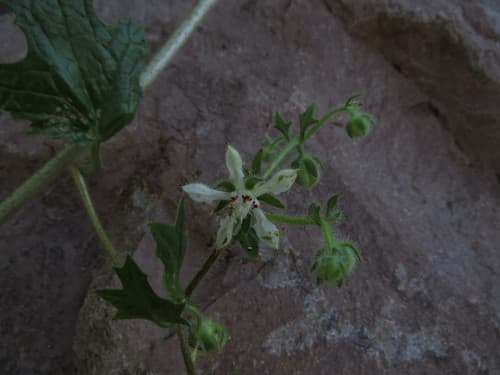
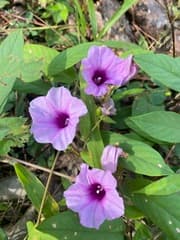
A low-growing, perennial subshrub forming dense, cushion-like mounds. It features small, linear to spatulate leaves densely covered with silvery-white hairs, giving it a grayish appearance. The flowers are typically small, funnel-shaped, and pale, often followed by fuzzy seed pods.