Loasa caespitosa
NameLoasa caespitosa
Scientific NameLoasa caespitosa
Common NamesNone widely recognized
Plant FamilyLoasaceae
Natural HabitatThis plant is native to the high-altitude Andean regions of Chile and Argentina, thriving in rocky, arid, or semi-arid environments such as scree slopes and stony ground, typically above 2000 meters.
Parts Usedwhole_plant,leaf,flower
Medicinal Actionsanalgesic, anti-inflammatory
Traditional UsesWhile specific traditional uses for Loasa caespitosa are poorly documented, related Loasa species have been traditionally used topically as a counter-irritant for rheumatic pain, arthritis, and muscle aches, utilizing their stinging properties to stimulate blood flow and alleviate deeper discomfort.
Active ConstituentsStinging trichomes (containing irritating compounds), flavonoids, saponins
Preparation Methodspoultice, salve, infusion
Contraindications & WarningsDirect contact with the plant's stinging hairs causes severe skin irritation, redness, and blistering. Internal use is highly cautioned due to potential toxicity and the irritating nature of the plant.
Cultivation NotesPrefers full sun and extremely well-drained, rocky or sandy soil. It is drought-tolerant once established and requires protection from excessive moisture, making it suitable for alpine or rock gardens.
Rarityuncommon
Description
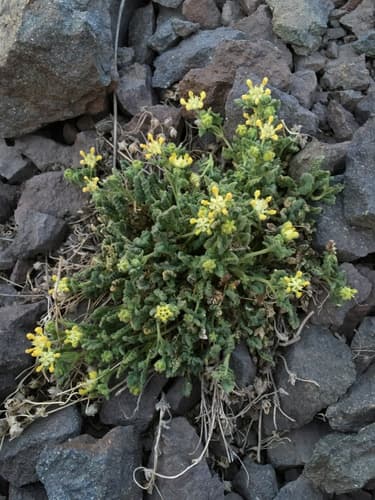
Loasa caespitosa is a low-growing, cushion-forming perennial herb characterized by its deeply lobed, crinkled leaves covered in stinging hairs. It produces clusters of distinctive yellow flowers with prominent staminodes and numerous stamens.