Pleurisy Root
Image: SebFdez (cc-by-nc)
NamePleurisy Root
Scientific NameAsclepias tuberosa
Common NamesButterfly Weed, Orange Milkweed, Chigger Flower, Canada Root
Plant FamilyApocynaceae
Natural HabitatNative to eastern and southwestern North America, Pleurisy Root thrives in dry, open areas such as prairies, meadows, roadsides, and open woodlands. It prefers full sun exposure and well-drained, often sandy or rocky, soils.
Parts Usedroot
Medicinal Actionsexpectorant, anti-inflammatory, diuretic
Traditional UsesTraditionally, Pleurisy Root was highly valued by Native Americans and early European settlers for treating various respiratory ailments, including pleurisy, bronchitis, and pneumonia. It was used to promote sweating, relieve pain, reduce inflammation, and alleviate fevers, often prepared to help clear congestion and ease breathing.
Active Constituentscardiac glycosides, triterpenes, flavonoids, resin, asclepiadin, tuberin
Preparation Methodsdecoction, tincture, powder
Contraindications & WarningsDue to the presence of cardiac glycosides, Pleurisy Root should be used with caution, especially by pregnant or nursing women, individuals with heart conditions, or those taking cardiac medications. Large doses can induce nausea, vomiting, and diarrhea.
Cultivation NotesThis plant prefers full sun and well-drained, sandy or rocky soil. It is drought-tolerant once established. Propagation is typically done by seed, which requires cold stratification, or by root division.
Raritycommon
Description
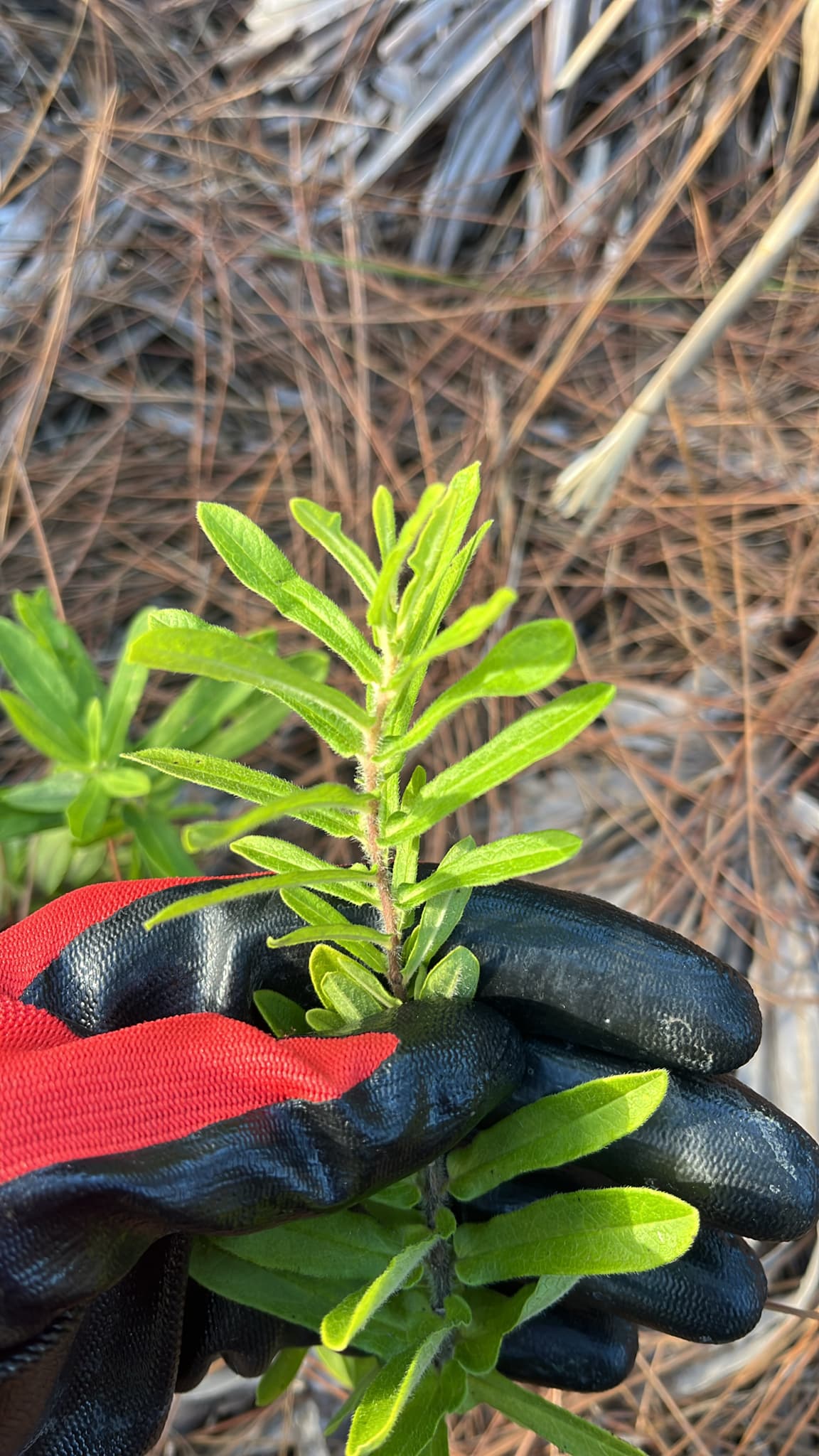
Asclepias tuberosa is a perennial herbaceous plant, typically growing 1-3 feet tall, characterized by hairy stems and lance-shaped leaves. It produces vibrant orange or yellow flowers that are highly attractive to butterflies, and unlike other milkweeds, its sap is clear, not milky.