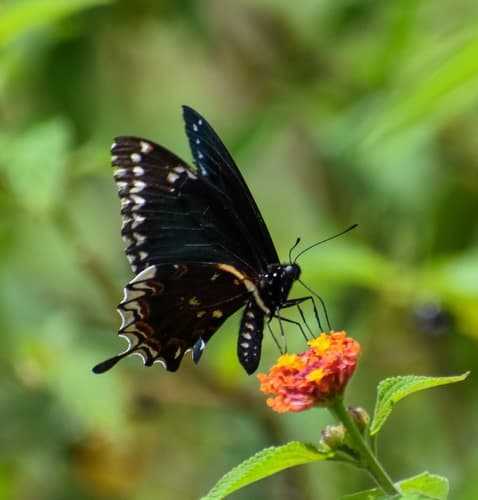
Pipevine (Host Plant of Pipevine Swallowtail)
NamePipevine (Host Plant of Pipevine Swallowtail)
Scientific NameAristolochia spp.
Common NamesPipevine, Birthwort, Virginia Snakeroot, Dutchman's Pipe
Plant FamilyAristolochiaceae
Natural HabitatVaries by species, typically found in woodlands, thickets, and moist areas across temperate and tropical regions globally.
Parts Usedroot,whole_plant
Traditional UsesHistorically, various *Aristolochia* species were used for snakebites, fevers, menstrual issues, and as a general tonic. These uses are now largely discredited due to severe toxicity and carcinogenicity.
Active ConstituentsAristolochic acids, Aristolactams, Lignans, Essential oils
Contraindications & WarningsEXTREMELY TOXIC AND CARCINOGENIC. Contains aristolochic acids, which are potent carcinogens, mutagens, and nephrotoxins, causing kidney failure and urinary tract cancers. All internal or external use is strongly contraindicated. Banned in many countries.
Cultivation NotesGrown as ornamental vines for their unique flowers and as host plants for Pipevine Swallowtail butterflies. Requires moist, well-drained soil and partial shade.
Raritycommon
Description
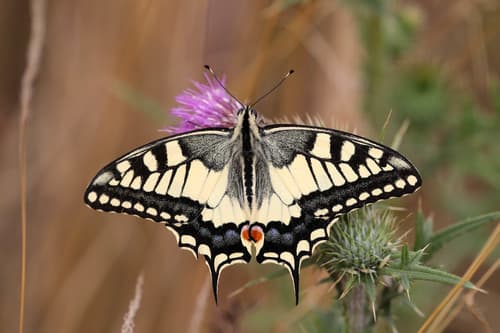
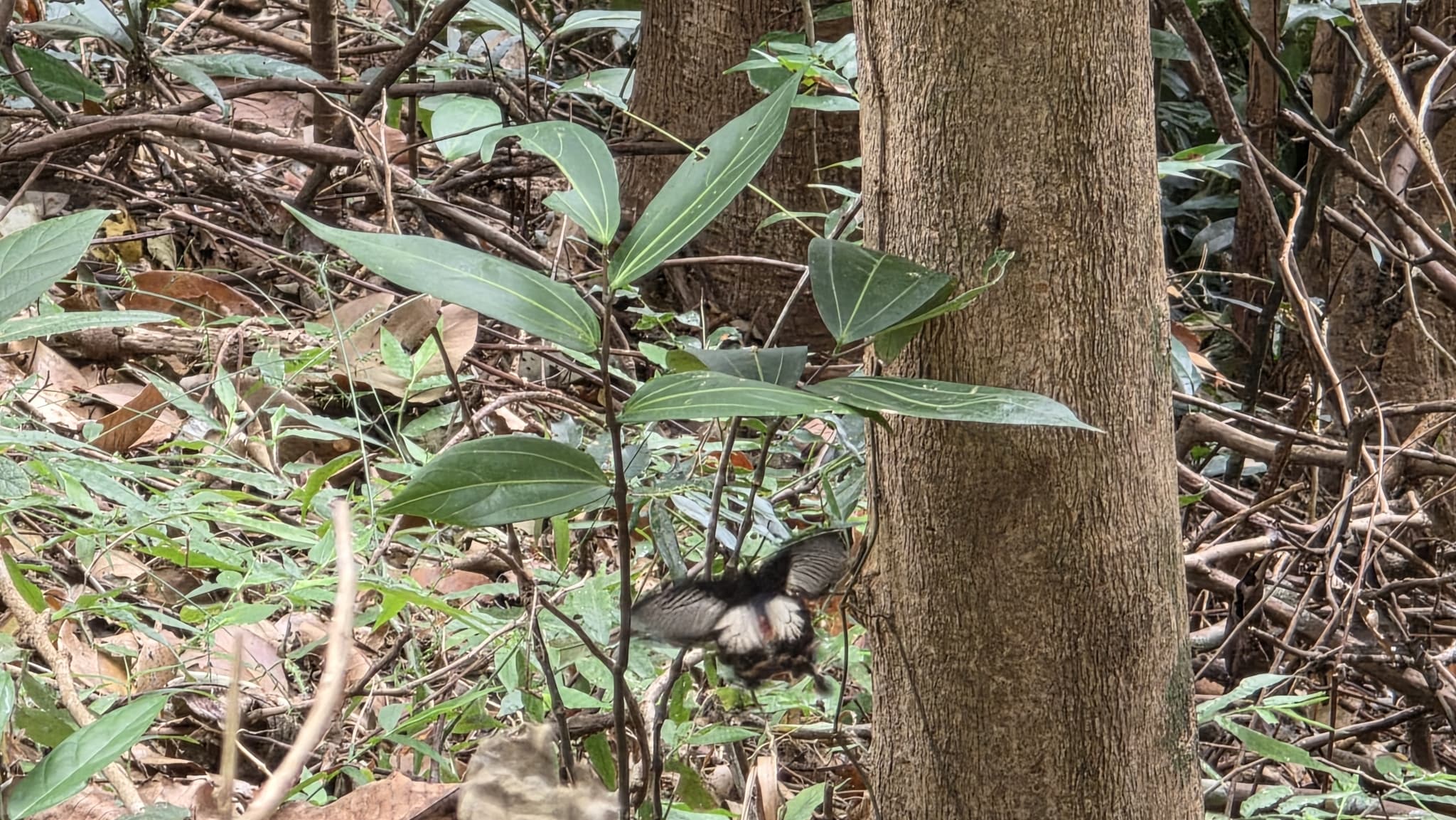
A genus of herbaceous perennials or woody vines, characterized by unique, often S-shaped or pipe-shaped flowers. Many species are known for containing highly toxic aristolochic acids, which are consumed by Pipevine Swallowtail larvae, making the butterflies toxic to predators.