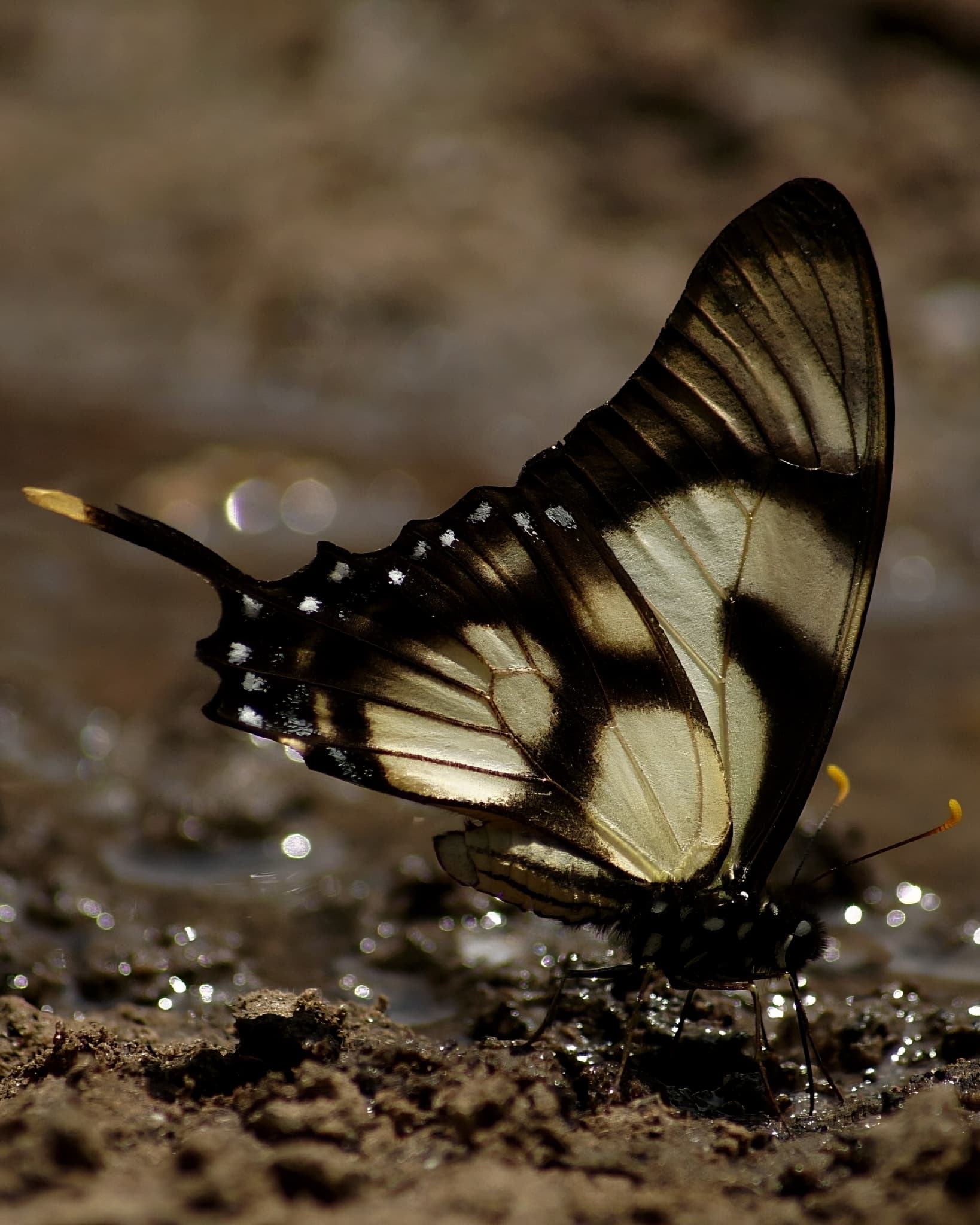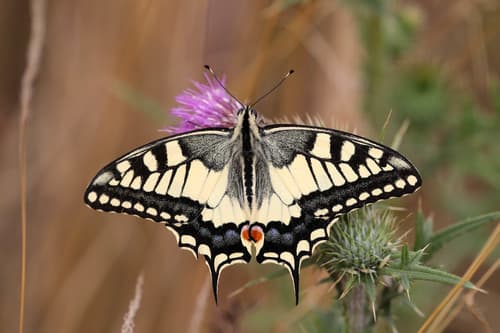
Old World Swallowtail
NameOld World Swallowtail
Scientific NameCirsium/Carduus spp.
Common NamesThistle, Field Thistle, Plume Thistle
Plant FamilyAsteraceae
Natural HabitatThistles are commonly found in disturbed soils, pastures, meadows, roadsides, and waste ground across temperate regions of the Northern Hemisphere.
Parts Usedflower,leaf,root
Medicinal Actionsanti-inflammatory, antioxidant, diuretic, astringent
Traditional UsesTraditionally, various thistle species have been used for their diuretic properties, to support liver health, and as a general tonic. Some species have been applied externally as poultices for skin conditions or internally for digestive complaints and to reduce inflammation.
Active ConstituentsFlavonoids, Sesquiterpene lactones, Tannins
Preparation Methodsinfusion, decoction, poultice, tincture
Contraindications & WarningsGenerally considered safe, but large doses may cause mild gastrointestinal upset. Individuals with allergies to the Asteraceae family should exercise caution. Consult a healthcare professional before use, especially if pregnant or breastfeeding.
Cultivation NotesThistles are often considered weeds and are robust growers. They prefer full sun and well-drained soil, tolerating a wide range of conditions. Propagation is typically by seed.
Raritycommon
Description
This entry describes the medicinal properties of the thistle plant, upon which the Old World Swallowtail butterfly (*Papilio machaon*) is often found. Thistles are herbaceous plants known for their spiny leaves and distinctive flower heads, often purple or pink.