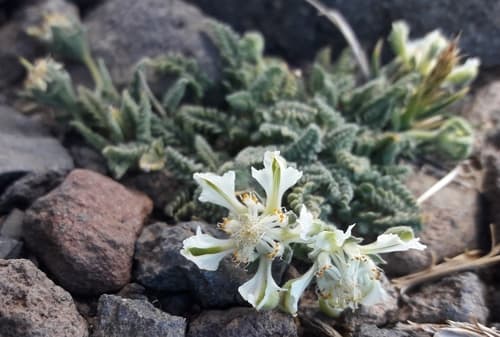
Pinnasa kurtzii
NamePinnasa kurtzii
Scientific NamePinnasa kurtzii
Plant FamilyBoraginaceae
Natural HabitatTypically found in arid to semi-arid rocky environments, including rocky outcrops, gravelly slopes, and disturbed areas, where it thrives in well-drained soils.
Parts Usedwhole_plant
Medicinal Actionsanti-inflammatory, astringent, demulcent
Traditional UsesWhile specific traditional uses for 'Pinnasa kurtzii' are not documented, plants with similar morphology in arid regions are often used traditionally for their anti-inflammatory properties, to soothe skin irritations, or as a general tonic. The mucilaginous nature of some Boraginaceae species can lend them demulcent qualities for internal or external use.
Active Constituentsflavonoids, tannins, mucilage
Preparation Methodsinfusion, poultice, powder
Contraindications & WarningsAs with any plant not fully identified or studied, caution is advised. Some plants in the Boraginaceae family contain pyrrolizidine alkaloids, which can be hepatotoxic; therefore, internal use should be approached with extreme care or avoided without proper identification and safety data.
Cultivation NotesThis plant prefers full sun exposure and requires excellent drainage, mimicking its natural rocky habitat. It is drought-tolerant once established and thrives in lean, sandy or gravelly soils. Propagation is likely from seed or cuttings.
Rarityuncommon
Description
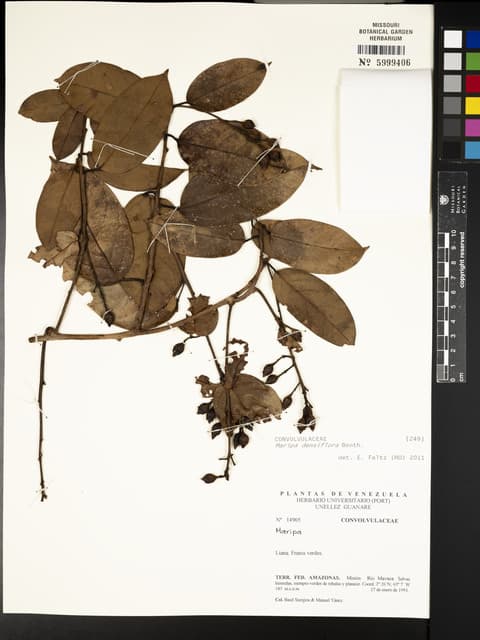
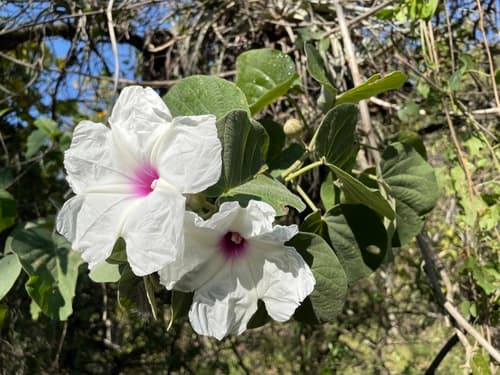
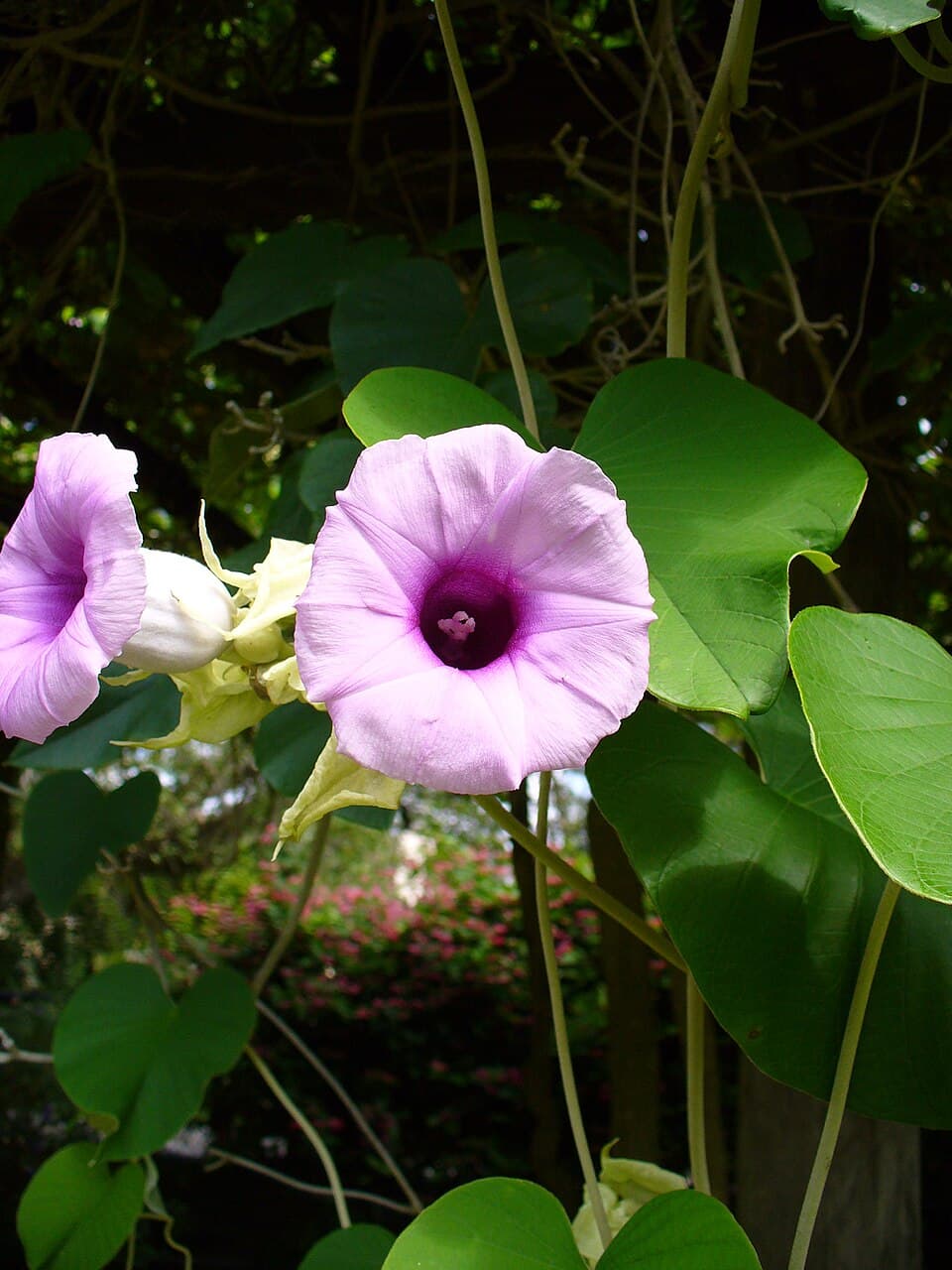
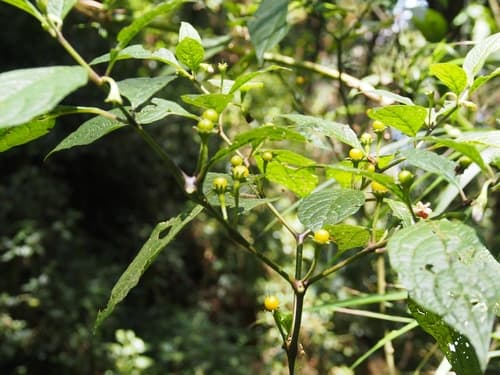
This is a low-growing, mat-forming herbaceous plant characterized by its densely hairy, somewhat succulent, and crinkled leaves. It produces white, tubular flowers with five distinct lobes and prominent stamens, often appearing in clusters.