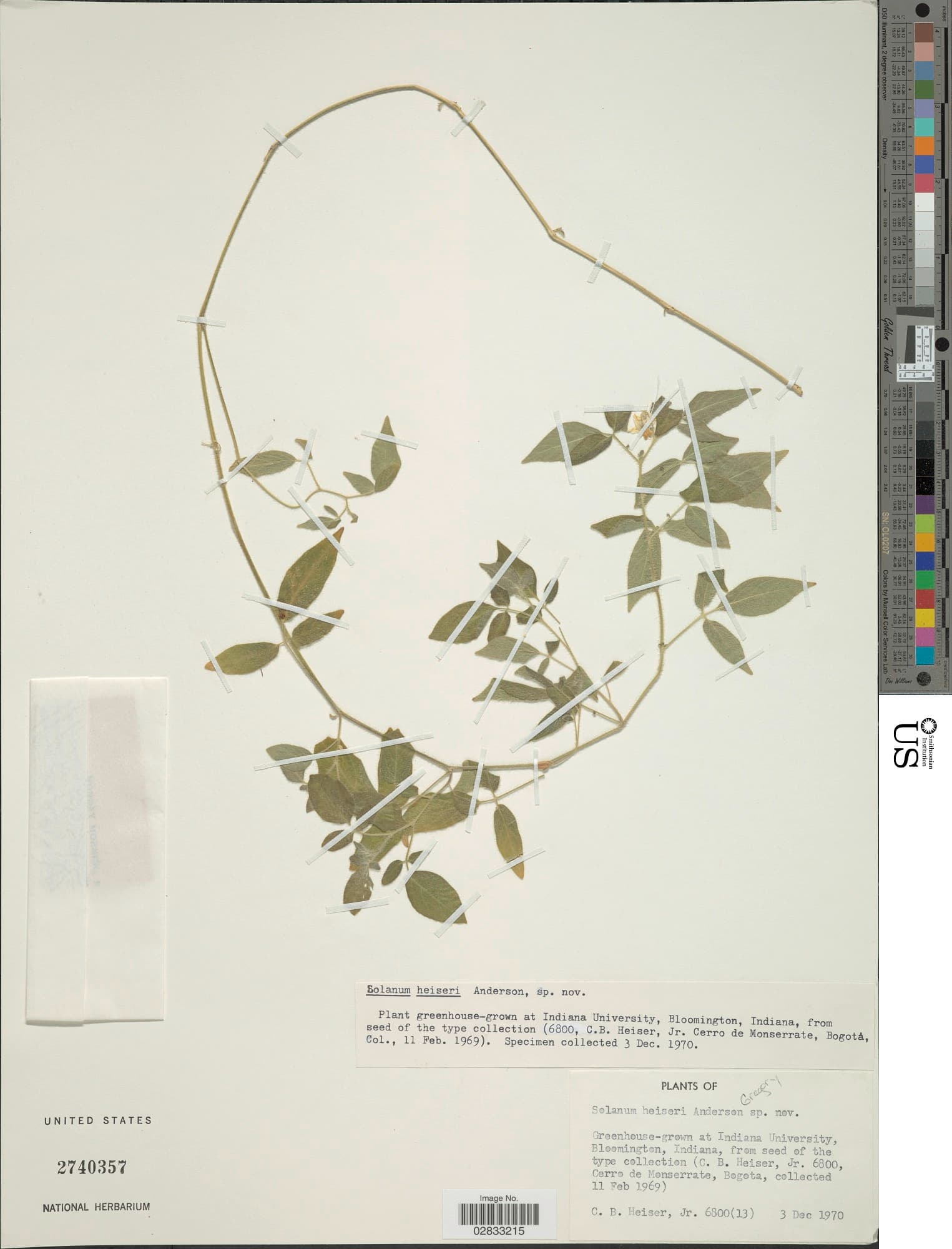
Nicotiana monoschizocarpa
Image: Dunlop, C.R. (cc-by)
NameNicotiana monoschizocarpa
Scientific NameNicotiana monoschizocarpa (P.Horton) Symon & Lepschi
Common NamesWild Tobacco, Native Tobacco
Plant FamilySolanaceae
Natural HabitatFound in arid and semi-arid regions of Australia, specifically in sandy river crossings, at the base of levees, or along water edges. It prefers disturbed, moist sandy soils.
Parts Usedleaf,whole_plant
Medicinal Actionsanalgesic, sedative
Traditional UsesIndigenous Australians traditionally used various Nicotiana species, including this one, for ceremonial purposes, as a stimulant, and for pain relief. Leaves were often chewed, smoked, or applied externally as a poultice for aches, pains, or skin ailments. Due to high toxicity, internal use was highly controlled and often ritualistic, and is not recommended.
Active ConstituentsNicotine, Nornicotine, Anabasine
Preparation Methodspoultice, powder
Contraindications & WarningsEXTREMELY TOXIC AND HIGHLY ADDICTIVE. Not safe for internal consumption. Can cause severe nausea, vomiting, dizziness, tremors, seizures, respiratory paralysis, and death. Contraindicated in pregnancy, lactation, heart conditions, hypertension, gastrointestinal issues, and by individuals sensitive to nicotine. Interacts with many medications. Use only under strict traditional guidance and never self-medicate.
Cultivation NotesPrefers full sun to partial shade and well-drained, sandy soils. While drought-tolerant once established, it benefits from occasional moisture. Propagated by seed.
Rarityuncommon
Description
A herbaceous plant, typically growing up to 30 cm tall, characterized by a basal rosette of broad, ovate leaves and an erect, often branching, flowering stem. The leaves are generally somewhat sticky or hairy, and it produces small, tubular flowers.