
Physochlaina macrophylla
Image: Pratt, A.E. (cc-by)
NamePhysochlaina macrophylla
Scientific NamePhysochlaina macrophylla Bonati
Plant FamilySolanaceae
Natural HabitatNative to high-altitude regions of West Sichuan and the Tibetan Frontier, found at elevations between 9,000 and 13,500 feet (approximately 2,740 to 4,115 meters). It thrives in mountainous environments.
Parts Usedleaf,flower,root
Medicinal Actionsanalgesic, sedative, anti-inflammatory
Traditional UsesTraditionally, plants in the *Physochlaina* genus, like other Solanaceae members rich in tropane alkaloids, have been used in traditional medicine for their potent analgesic and sedative properties, often to alleviate pain, spasms, and induce sleep. However, due to high toxicity, such uses are extremely dangerous and require expert knowledge and precise dosing, typically under strict supervision.
Active Constituentstropane alkaloids (e.g., hyoscyamine, scopolamine)
Preparation Methodstincture, poultice, powder
Contraindications & WarningsThis plant is highly toxic due to its potent alkaloid content. It is strictly contraindicated in pregnancy, glaucoma, heart conditions, prostate enlargement, and in combination with other anticholinergic drugs. Extreme caution and professional supervision are absolutely necessary if considering any use.
Cultivation NotesRequires high-altitude, possibly rocky or well-drained soil conditions, mimicking its native Tibetan/Sichuan habitat. Due to its toxicity and specialized growing conditions, it is not typically cultivated for general use.
Rarityuncommon
Description
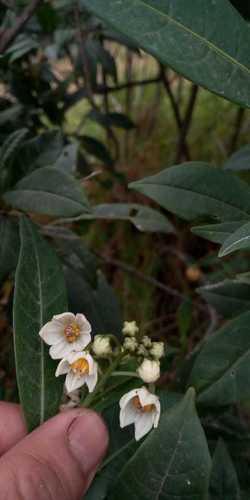
This plant is characterized by its large, broadly ovate to elliptic leaves with prominent venation. The specimen also shows dried floral structures, indicating it produces flowers. As a member of the Solanaceae family, it likely contains potent alkaloids.