Blue-fruited Dogwood
NameBlue-fruited Dogwood
Scientific NameCornus amomum
Common NamesBlue-fruited Dogwood, Silky Dogwood, Swamp Dogwood
Plant FamilyCornaceae
Natural HabitatNative to eastern North America, it thrives in moist to wet soils, often found along stream banks, pond margins, swamps, and wet woodlands. It prefers full sun to partial shade.
Parts Usedbark,root
Medicinal Actionsastringent, anti-inflammatory
Traditional UsesNative American tribes traditionally used the bark of various dogwood species, including Cornus amomum, as a febrifuge for treating fevers, malaria, and colds. It was also used as an astringent for diarrhea and dysentery, and externally for skin conditions and wounds.
Active ConstituentsTannins, Iridoids
Preparation Methodsdecoction, poultice
Contraindications & WarningsLarge internal doses may cause nausea or vomiting due to bitterness. Pregnant or breastfeeding women should avoid use due to lack of safety data.
Cultivation NotesEasily grown in average to wet, well-drained soils in full sun to partial shade. It tolerates a wide range of soil conditions but prefers consistently moist environments. Propagated by seed or cuttings.
Raritycommon
Description
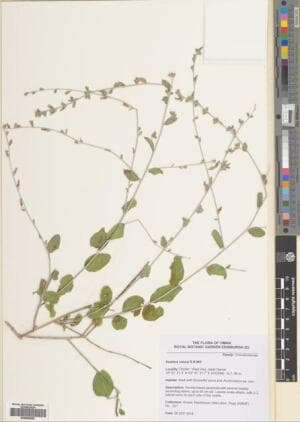
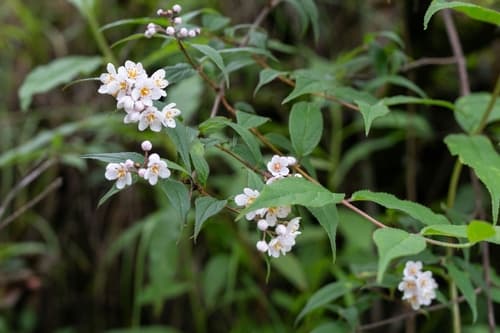
Cornus amomum is a deciduous shrub or small tree, typically growing 6-10 feet tall, characterized by reddish-brown stems and clusters of small white flowers in late spring to early summer. Its leaves are ovate with prominent parallel veins, and it produces distinctive blue berries in late summer.