Physalis sancti-josephi
Image: Conveyor Belt (cc0)
NamePhysalis sancti-josephi
Scientific NamePhysalis sancti-josephi Dunal
Common NamesGroundcherry
Plant FamilySolanaceae
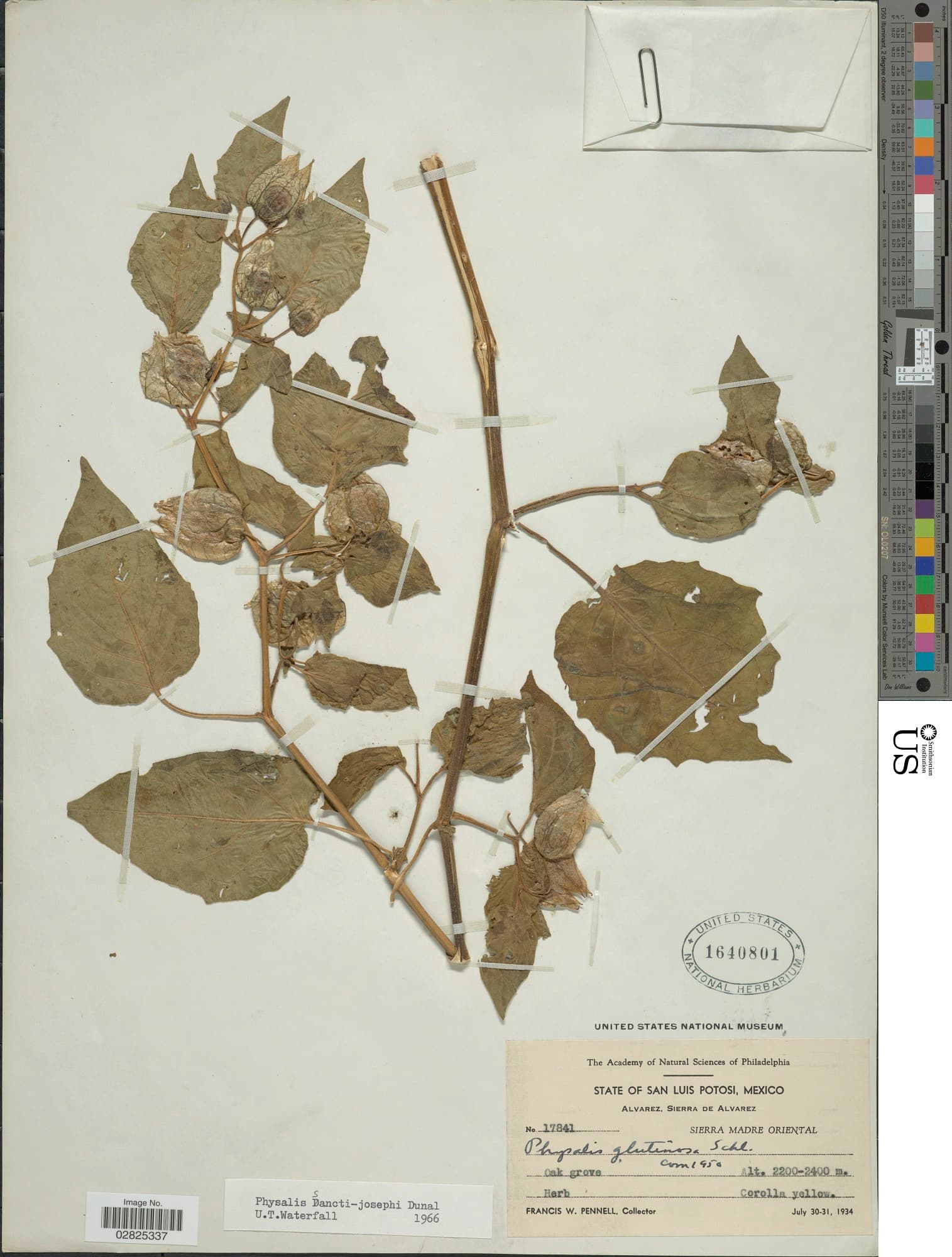
Natural HabitatCollected in an oak grove within the Sierra Madre Oriental mountain range in the State of San Luis Potosi, Mexico, at an elevation of 2200-2400 meters. It thrives in montane, possibly forested or woodland environments.
Parts Usedleaf,fruit
Medicinal Actionsanti-inflammatory, antioxidant, diuretic, antimicrobial
Traditional UsesWhile specific traditional uses for Physalis sancti-josephi are not widely documented, other Physalis species have been traditionally used for their anti-inflammatory properties, to treat fevers, and as diuretics. Some species are also used for skin conditions or as general tonics in various folk medicine systems.
Active ConstituentsPhysalins, Flavonoids, Carotenoids
Preparation Methodsinfusion, decoction, powder
Contraindications & WarningsUnripe fruits of many Physalis species can be toxic due to solanine-like alkaloids; consumption of unripe parts should be avoided. Pregnant and nursing women, and individuals on immunosuppressant medications, should exercise caution or avoid use due to potential immunomodulatory effects of physalins.
Cultivation NotesPhysalis species generally prefer full sun and well-drained soil. They are often annuals or short-lived perennials and can be propagated from seed. They typically require moderate watering and can tolerate a range of soil types.
Rarityuncommon
Description
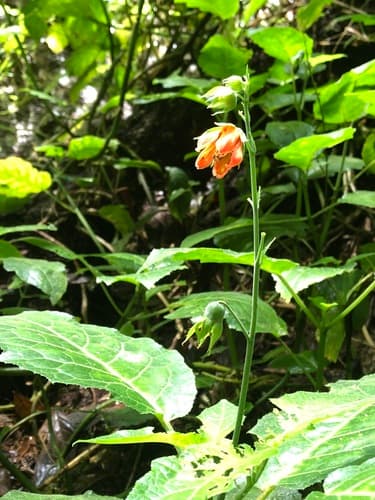
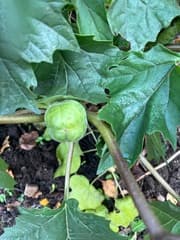
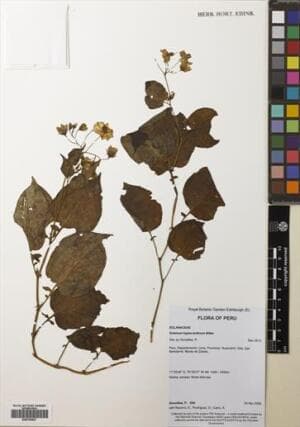
This herbaceous plant features broad, often ovate to cordate leaves and distinctive inflated, papery calyces that enclose the developing fruit. The specimen shows a dried plant with stems, leaves, and mature calyces, characteristic of the Physalis genus.