Nasa pteridophylla
NameNasa pteridophylla
Scientific NameNasa pteridophylla
Common NamesOrtiga brava, Nasa
Plant FamilyLoasaceae
Natural HabitatNative to the Andean regions of South America, typically found in montane forests, rocky slopes, and disturbed areas at higher elevations.
Parts Usedleaf,whole_plant
Medicinal Actionsanti-inflammatory, diuretic, analgesic
Traditional UsesTraditionally used in Andean folk medicine, particularly for rheumatic pain, arthritis, and paralysis, often through topical application of the stinging leaves (a practice similar to urtication). Infusions of the leaves are also used as a diuretic and for kidney or urinary tract issues.
Active ConstituentsFlavonoids, Phenolic acids, Compounds in stinging hairs (e.g., histamine, acetylcholine)
Preparation Methodsinfusion, poultice
Contraindications & WarningsDirect skin contact with the stinging hairs causes severe irritation, pain, and blistering. Internal use should be approached with caution, especially for pregnant or nursing individuals, or those with pre-existing kidney conditions. Consult a healthcare professional before use.
Cultivation NotesPrefers well-drained, rocky soils and a montane climate. Requires specific habitat conditions and is not widely cultivated due to its stinging nature and specialized environmental needs.
Rarityuncommon
Description
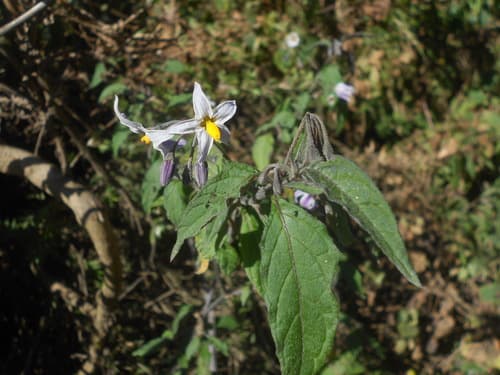
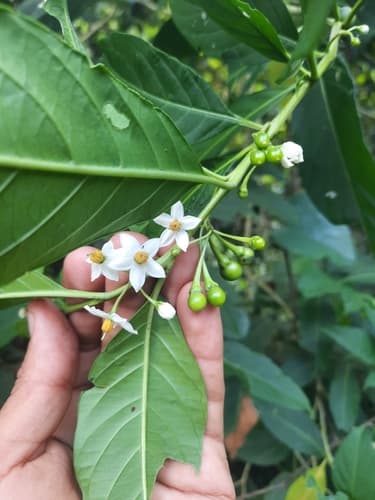
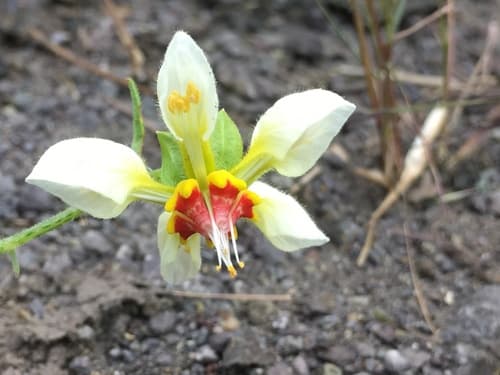
An herbaceous plant characterized by distinctive white flowers with a complex, often red and yellow-marked central structure and prominent stamens. The plant is notable for its stinging hairs (glochids) covering the stems and leaves, which can cause significant skin irritation upon contact.