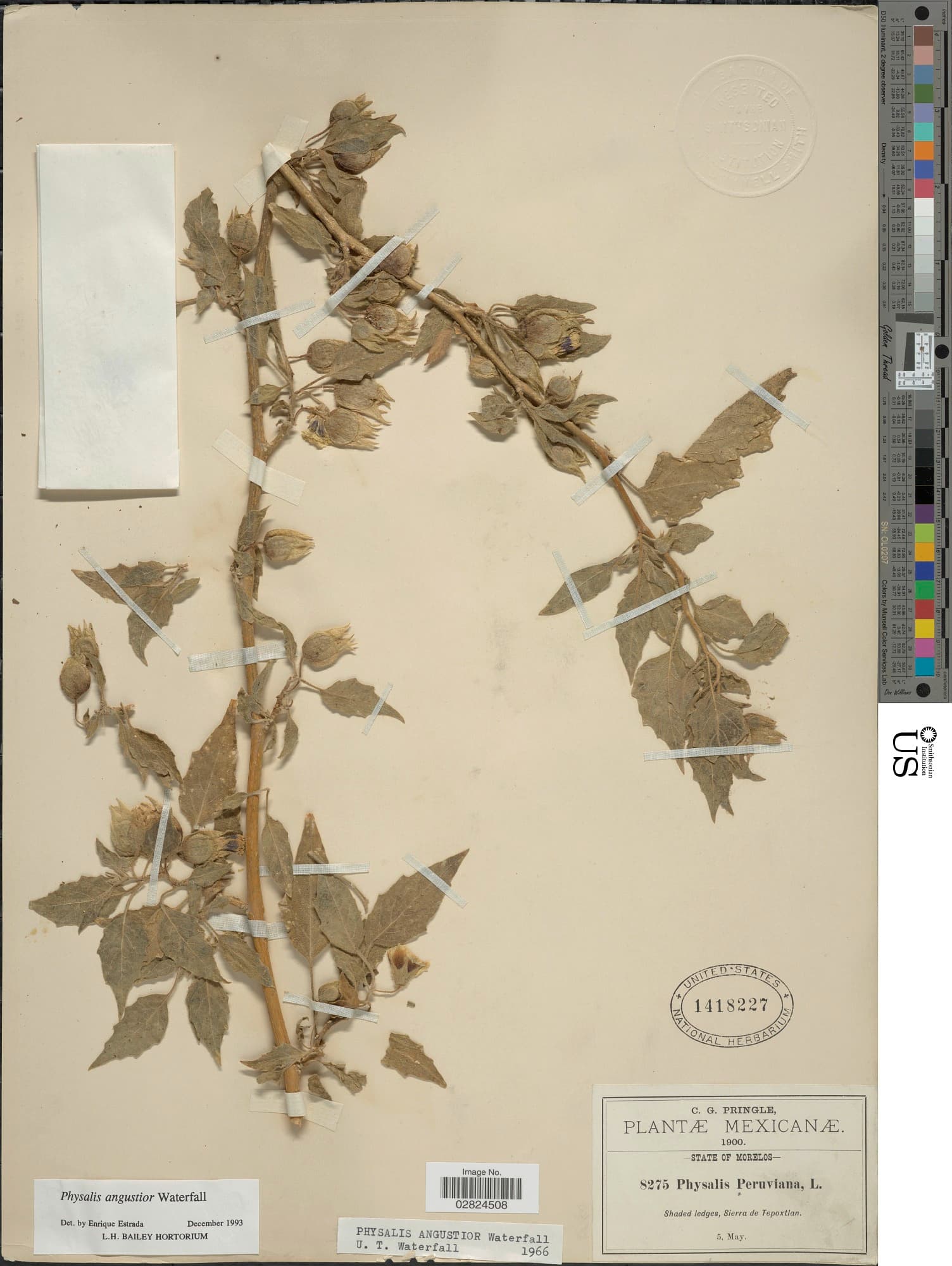
Physalis angustior
Image: Conveyor Belt (cc0)
NamePhysalis angustior
Scientific NamePhysalis angustior Waterfall
Common NamesNarrow-leaved Groundcherry, Groundcherry
Plant FamilySolanaceae
Natural HabitatTypically found in shaded ledges, disturbed areas, and open woodlands, often in subtropical or tropical regions. The specimen was collected from "Shaded ledges, Sierra de Tepoxtlan" in Morelos, Mexico.
Parts Usedfruit,leaf,whole_plant
Medicinal Actionsanti-inflammatory, antioxidant, diuretic
Traditional UsesTraditionally, various Physalis species have been used for their anti-inflammatory properties, to treat fevers, and as a diuretic. The fruits are often consumed for their nutritional value and perceived health benefits in traditional medicine systems.
Active ConstituentsPhysalins, Withanolides, Flavonoids, Carotenoids
Preparation Methodsinfusion, decoction, powder
Contraindications & WarningsUnripe fruits and leaves of some Physalis species can contain solanine-like alkaloids and should be avoided. Pregnant or breastfeeding women should exercise caution, and consumption should be in moderation.
Cultivation NotesPrefers full sun to partial shade and well-drained soil. Can be grown from seed and is generally hardy, often self-seeding in suitable climates. Requires moderate watering.
Rarityuncommon
Description
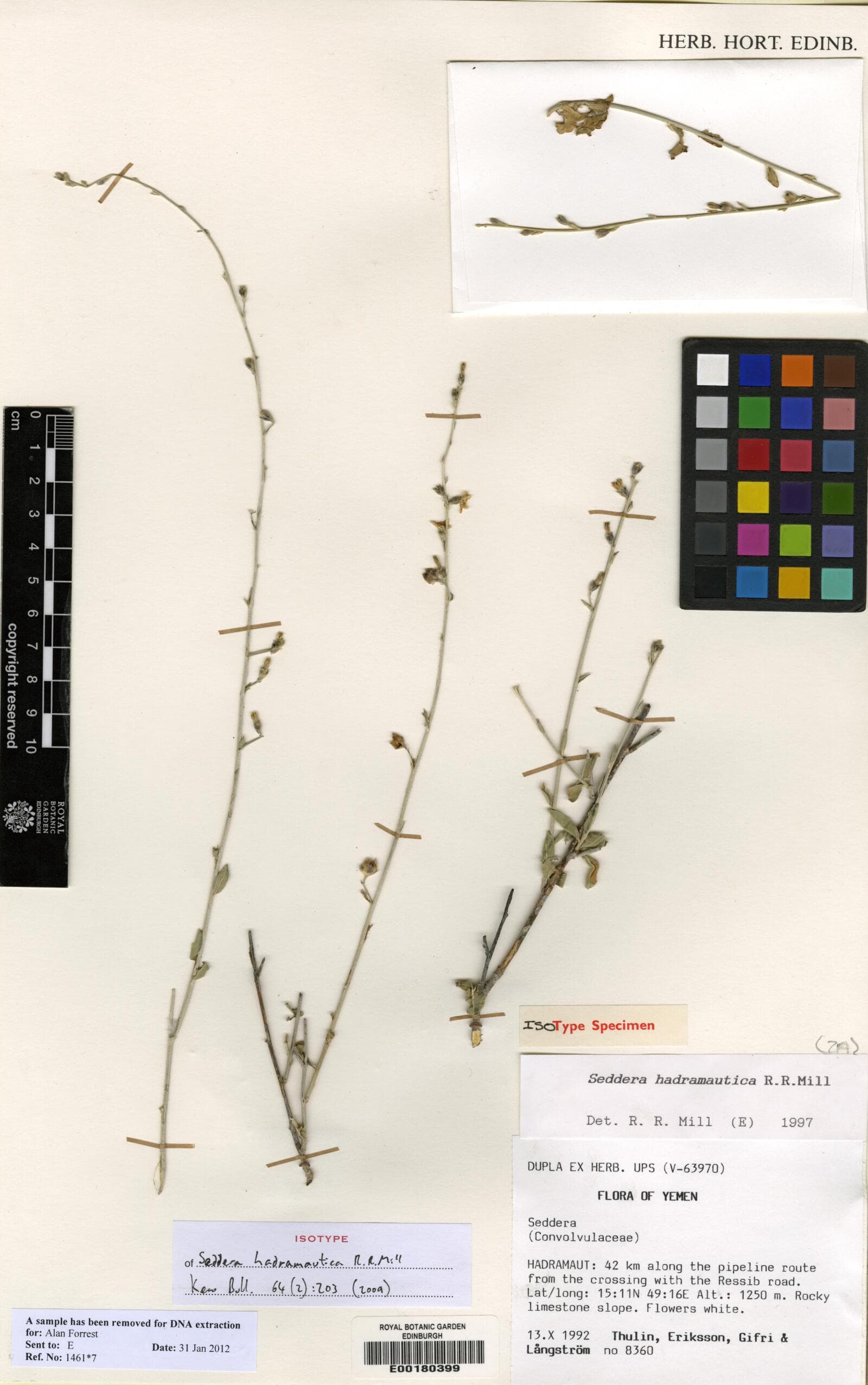
This herbaceous plant features ovate to lanceolate leaves, often with an entire or slightly toothed margin. Its most distinctive characteristic is the papery, lantern-like calyx that encloses the berry-like fruit, a common trait of the Physalis genus. The specimen shows a branching stem with fruits developing in the leaf axils.