Solanum infundibuliforme
NameSolanum infundibuliforme
Scientific NameSolanum infundibuliforme
Common NamesWild Potato, Papa Silvestre
Plant FamilySolanaceae
Natural HabitatThis species thrives in high-altitude rocky slopes, disturbed areas, and grasslands within the Andean regions of South America.
Parts Usedroot,leaf
Medicinal Actionsanalgesic, anti-inflammatory
Traditional UsesPrimarily known as a traditional food source in the Andes, its tubers are consumed after boiling to reduce toxicity. While specific medicinal uses for this species are not widely documented, other Solanum species are traditionally used for pain relief and inflammation, often with careful preparation.
Active ConstituentsSteroidal glycoalkaloids, Solanine, Chaconine
Preparation Methodsdecoction, infusion, poultice
Contraindications & WarningsAll parts of the plant, especially raw tubers, leaves, and unripe fruits, contain toxic glycoalkaloids. Ingestion can cause severe gastrointestinal upset, neurological symptoms, and can be fatal in large doses. Not recommended for internal use without expert guidance and proper detoxification. Avoid during pregnancy and lactation.
Cultivation NotesPrefers well-drained, rocky or sandy loam soils in full sun. It requires cool to temperate climates, typical of its high-altitude native environment, and is not tolerant of frost.
Rarityuncommon
Description
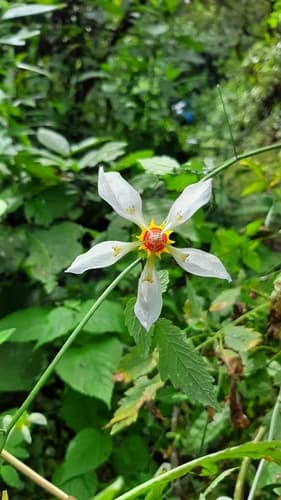
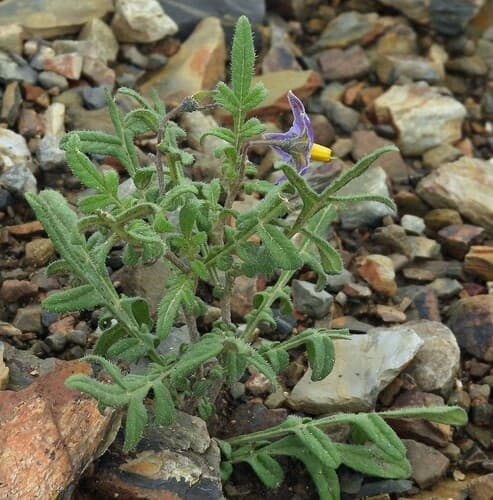
Solanum infundibuliforme is a small, herbaceous perennial native to the high Andes, characterized by deeply lobed, often hairy leaves and distinctive purple flowers with a prominent yellow anther cone. It produces underground tubers, which are its primary edible part.