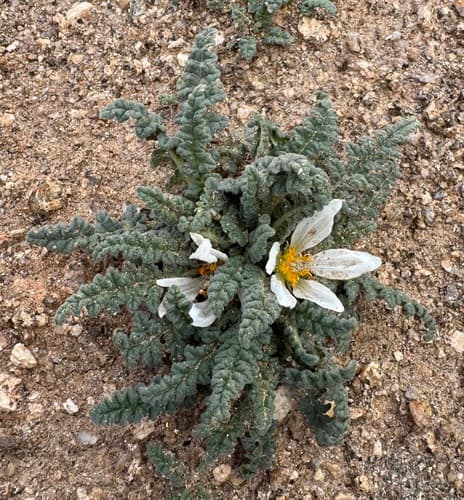
Caiophora nivalis
NameCaiophora nivalis
Scientific NameCaiophora nivalis
Common NamesOrtiga brava, Ortiga de la puna
Plant FamilyLoasaceae
Natural HabitatNative to high-altitude Andean regions, it thrives on rocky slopes, scree, and puna grasslands, often found in harsh, exposed environments.
Parts Usedwhole_plant
Medicinal Actionsanalgesic, anti-inflammatory
Traditional UsesTraditionally, the stinging hairs of *Caiophora* species, including *C. nivalis*, have been used as a counter-irritant. The plant material is applied topically to the skin to induce a localized stinging sensation, which is believed to alleviate rheumatic pain, muscle aches, and localized inflammation by distracting from deeper pain and stimulating local circulation.
Active ConstituentsIrritating compounds in glochids (stinging hairs)
Preparation Methodspoultice
Contraindications & WarningsDirect skin contact with the plant causes severe irritation, intense itching, and dermatitis due to its stinging hairs. It is not recommended for internal use and should be kept away from eyes and mucous membranes.
Cultivation NotesExtremely challenging to cultivate outside its native habitat, requiring specific high-altitude conditions, well-drained, rocky or sandy soil, and full sun exposure. It is not typically grown as an ornamental or medicinal plant in general cultivation.
Rarityuncommon
Description
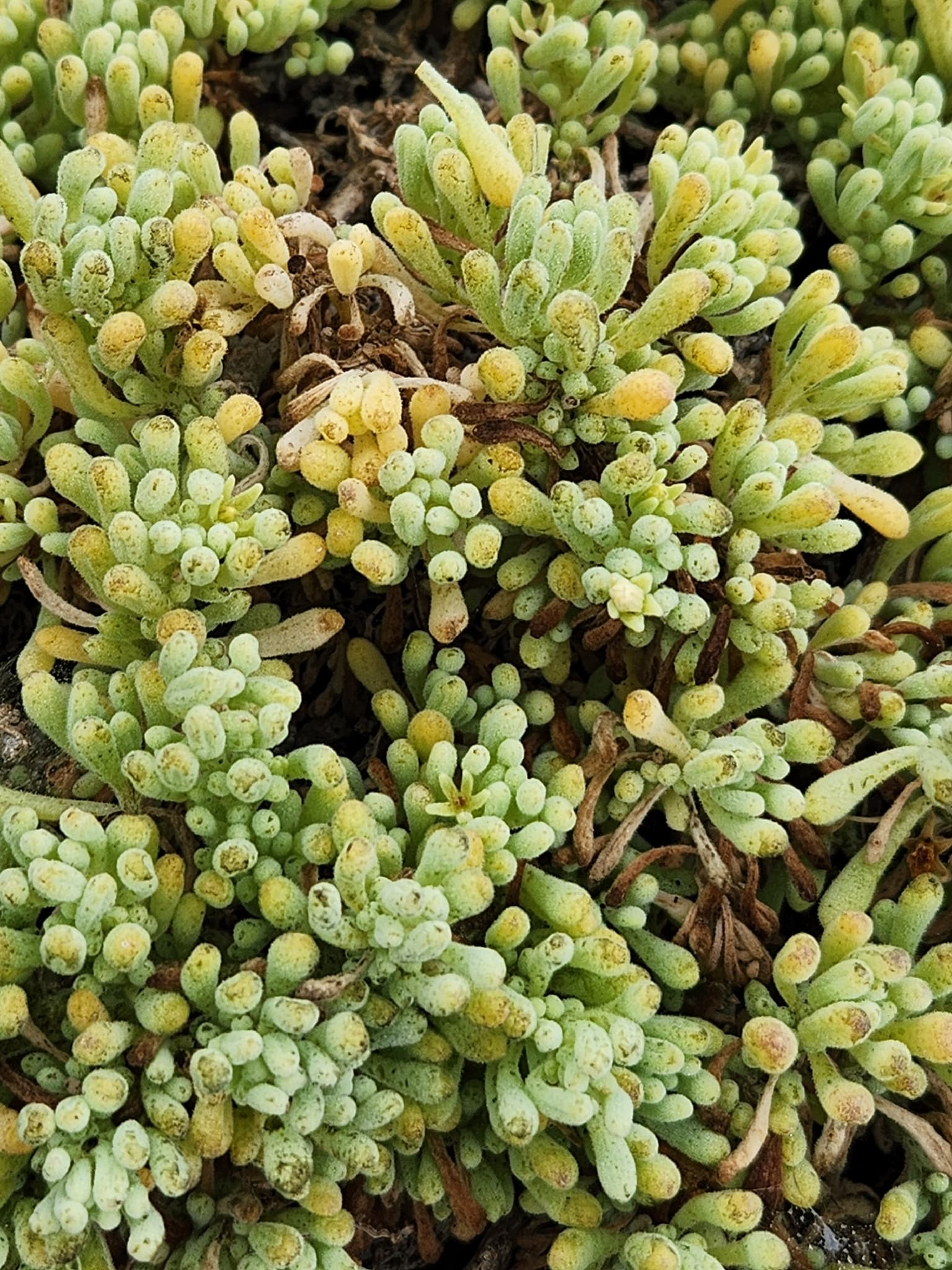
A perennial herb forming a low-growing rosette, characterized by deeply lobed, rugose (wrinkled), grayish-green leaves that are typically covered in stinging hairs. It produces striking white, cup-shaped flowers with prominent yellow stamens, often appearing solitary or in small clusters.