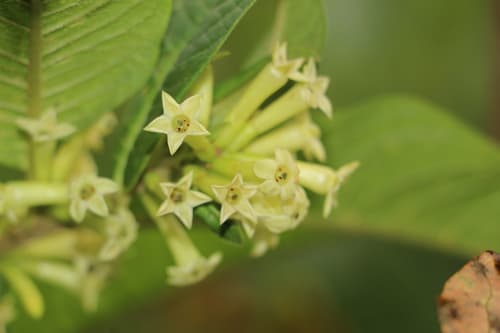
Petiolate Cestrum
NamePetiolate Cestrum
Scientific NameCestrum petiolare
Common NamesPetiolate Cestrum
Plant FamilySolanaceae
Natural HabitatFound in tropical and subtropical regions of Central and South America, often growing in disturbed areas, forest edges, and clearings.
Parts Usedleaf,whole_plant
Medicinal Actionsanalgesic, anti-inflammatory, antimicrobial
Traditional UsesTraditional medicinal uses for *Cestrum petiolare* are limited and often associated with significant risk due to its toxicity. Some *Cestrum* species have been used externally for pain relief, inflammation, or skin conditions, and internally as purgatives or emetics, but such uses are highly dangerous and not recommended.
Active Constituentssteroidal saponins, alkaloids, flavonoids
Preparation Methodspoultice, decoction
Contraindications & WarningsAll parts of *Cestrum petiolare* are highly toxic to humans and animals. Ingestion can cause severe gastrointestinal upset, neurological symptoms (tremors, convulsions), respiratory distress, and can be fatal. Internal use is strictly contraindicated. External use should be approached with extreme caution due to potential skin irritation and systemic absorption. Pregnant or nursing women, children, and individuals with liver or kidney conditions should avoid all contact.
Cultivation NotesPrefers tropical to subtropical climates with full sun to partial shade and well-drained soil. It can be grown from seeds or cuttings. Due to its toxicity, it should be planted away from areas accessible to children and pets.
Rarityuncommon
Description
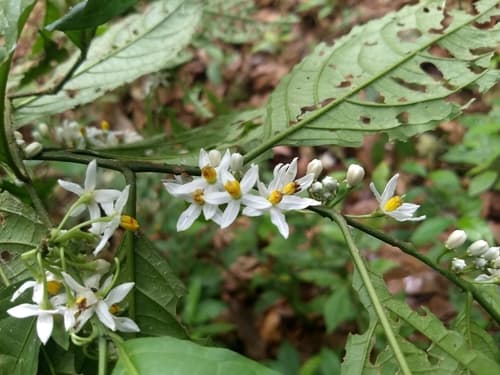
A shrub or small tree native to Central and South America, characterized by simple, alternate leaves and clusters of pale yellow, tubular flowers with star-shaped mouths. The flowers are typically found in axillary or terminal inflorescences.