Bilberry
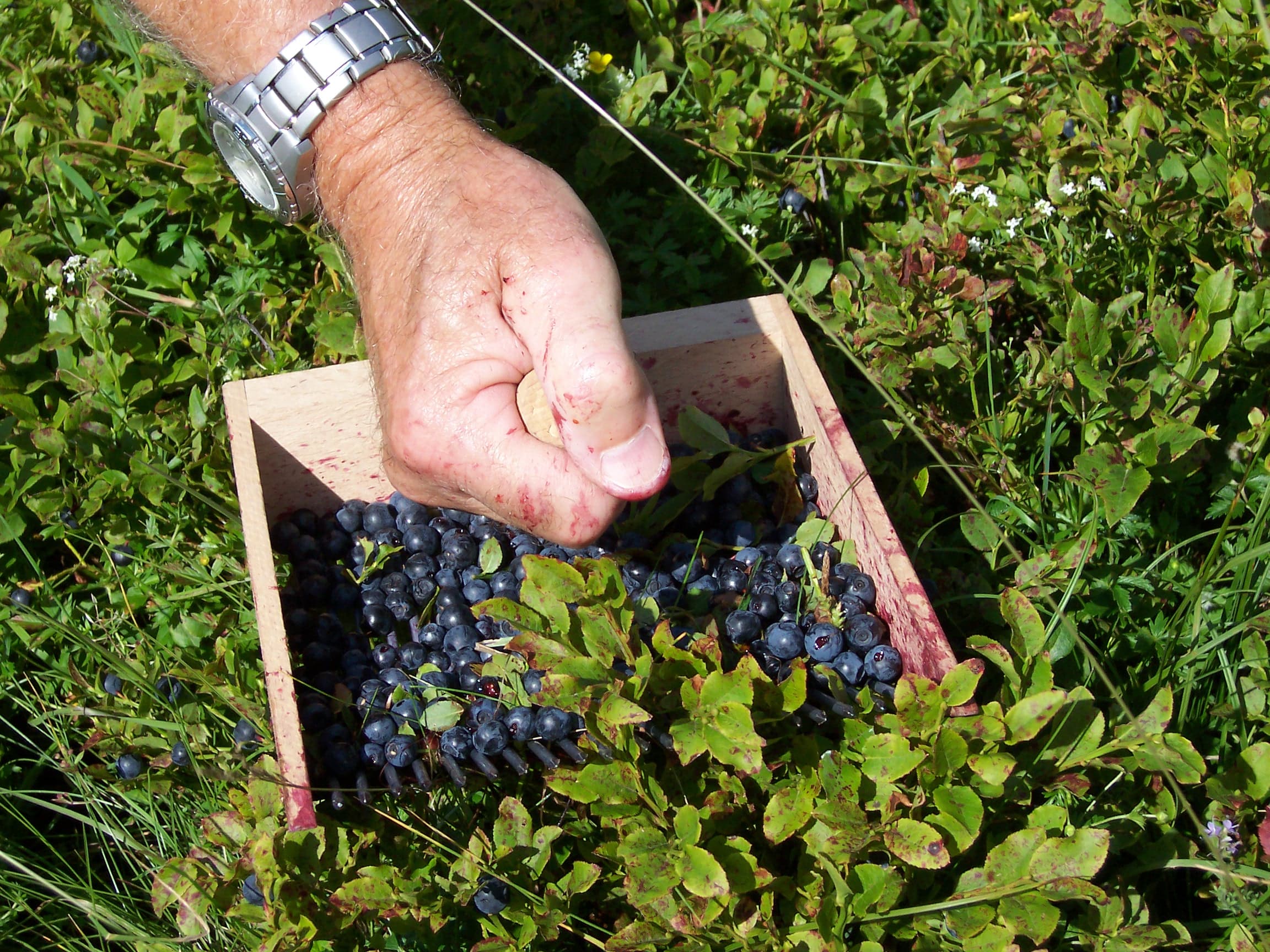
Image: B.navez (CC BY-SA 3.0)
NameBilberry
Scientific NameVaccinium myrtillus
Common NamesBilberry, European Blueberry, Whortleberry, Huckleberry
Plant FamilyEricaceae
Natural HabitatIt thrives in acidic soils found in heathlands, moorlands, coniferous forests, and mountainous regions across temperate Europe, northern Asia, and western North America. The image shows it being harvested in the Monts du Cantal range in France.
Parts Usedfruit,leaf
Medicinal Actionsantioxidant, anti-inflammatory, astringent
Traditional UsesTraditionally, bilberry fruit has been used to improve night vision and treat various eye conditions, as well as for diarrhea and other digestive complaints due to its astringent properties. The leaves have been used to help regulate blood sugar levels and as a diuretic.
Active ConstituentsAnthocyanins, Flavonoids, Tannins, Phenolic acids
Preparation Methodsinfusion, decoction, tincture, powder
Contraindications & WarningsBilberry may interact with anticoagulant medications due to its potential antiplatelet effects. Individuals with diabetes should use bilberry with caution, as it may affect blood sugar levels.
Cultivation NotesBilberry prefers acidic, well-drained soil and partial shade, mimicking its natural woodland habitat. It is generally difficult to cultivate commercially and is often wild-harvested.
Raritycommon
Description
Bilberry is a low-growing, deciduous shrub producing small, dark blue to black berries. Its leaves are oval, finely serrated, and turn reddish in autumn, while the berries are typically solitary or in pairs, with a distinct crown at the apex.