Peru cestrum
Image: Cody Hinchliff (cc-by-nc)
NamePeru cestrum
Scientific NameCestrum parqui
Common NamesPeru Cestrum, Green Cestrum, Willow-leaved Jessamine, Chilean Cestrum, Palqui
Plant FamilySolanaceae
Natural HabitatNative to South America (Chile, Peru, Argentina, Uruguay), it thrives in disturbed areas, roadsides, riverbanks, and open woodlands. It has become naturalized and invasive in many other warm temperate and subtropical regions globally.
Parts Usedleaf,flower,bark,fruit,whole_plant
Medicinal Actionsanalgesic, anti-inflammatory
Traditional UsesTraditionally, in South American folk medicine, the plant has been used as a febrifuge (for fever), purgative, and emetic. Externally, it was sometimes applied as a poultice for rheumatism, pain, and skin conditions. It is crucial to note that all parts of this plant are highly toxic and internal use is extremely dangerous.
Active ConstituentsParquine, Cestrine, Saponins, Alkaloids
Preparation Methodspoultice, infusion
Contraindications & WarningsALL parts of Cestrum parqui are highly toxic to humans and animals. Internal consumption can cause severe gastrointestinal distress, neurological symptoms (tremors, convulsions), liver damage, and can be fatal. It should not be ingested under any circumstances. Skin contact may cause irritation in sensitive individuals.
Cultivation NotesA hardy and fast-growing shrub that tolerates a wide range of soil types, preferring well-drained conditions. It is drought-tolerant once established and can withstand light frosts. Due to its invasive potential in many regions, caution should be exercised when cultivating it.
Raritycommon
Description
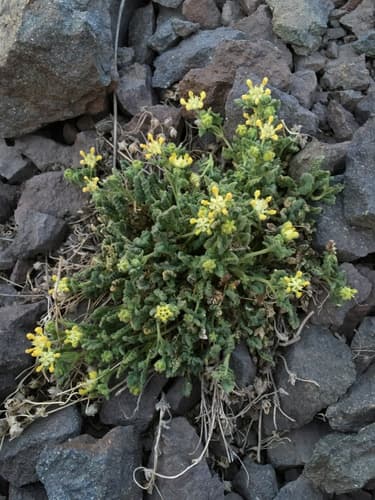
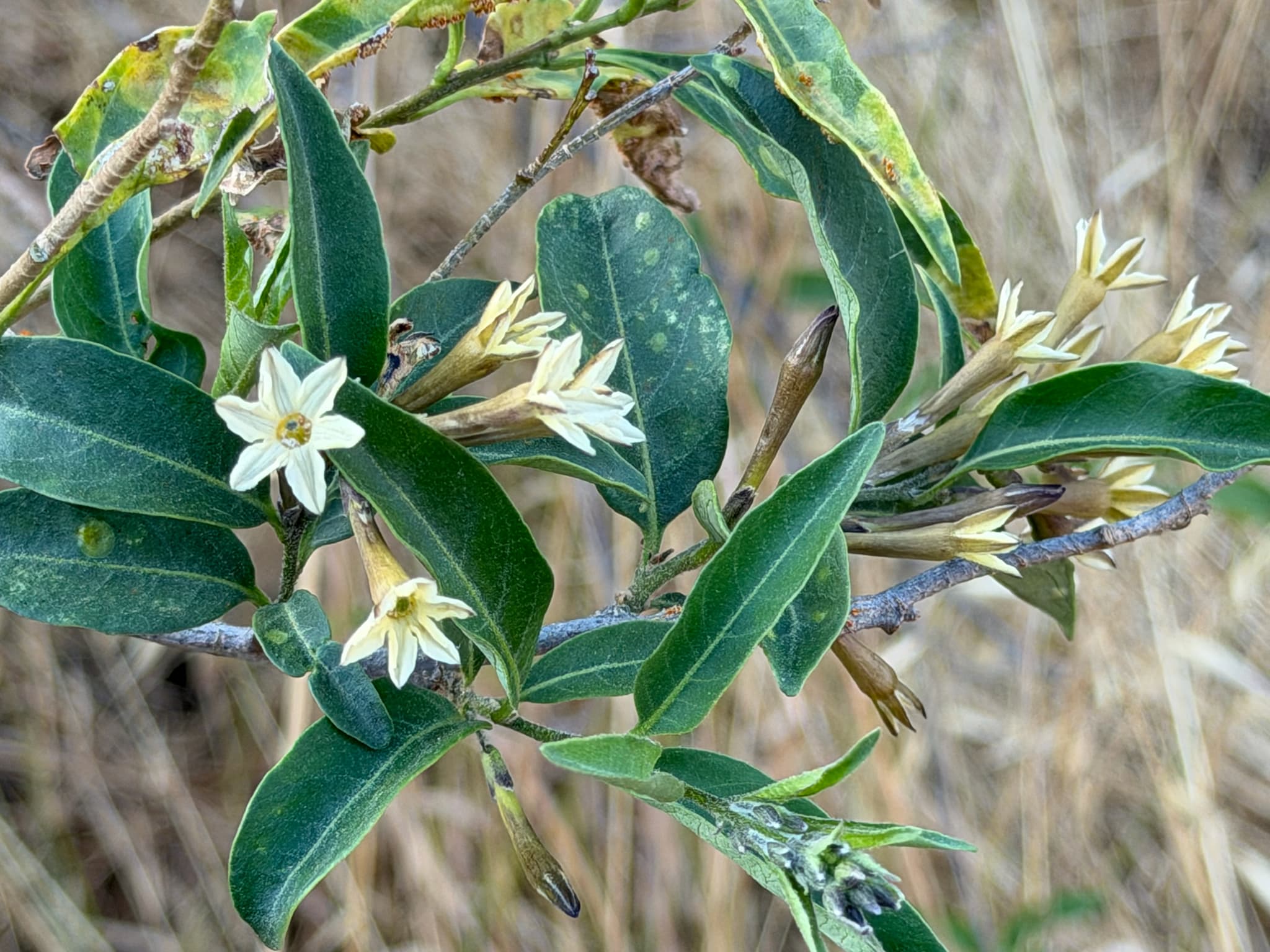
Cestrum parqui is a fast-growing, evergreen or semi-deciduous shrub characterized by its slender branches, elongated green leaves, and clusters of small, pale yellow to white, star-shaped flowers that emit a strong fragrance, especially at night. The flowers are tubular at the base and typically bloom in spring and summer, followed by small, dark berries. All parts of the plant are highly toxic.