Ipomoea noctulifolia
NameIpomoea noctulifolia
Scientific NameIpomoea noctulifolia
Common NamesMorning Glory
Plant FamilyConvolvulaceae
Natural HabitatAs a member of the Ipomoea genus, it likely thrives in warm temperate to tropical climates, often found in disturbed areas, open fields, and along roadsides with well-drained soil.
Parts Usedroot,seed,leaf
Medicinal Actionsanti-inflammatory, nervine
Traditional UsesWhile specific uses for Ipomoea noctulifolia are not well-documented, other Ipomoea species are traditionally used as purgatives, for treating skin conditions, and some seeds are used for their psychoactive properties in ritualistic contexts.
Active ConstituentsResin glycosides, Ergoline alkaloids
Preparation Methodsinfusion, decoction, powder
Contraindications & WarningsDue to the presence of potentially toxic compounds like resin glycosides and ergoline alkaloids in the genus, Ipomoea noctulifolia should be used with extreme caution. Contraindicated in pregnancy, lactation, children, and individuals with gastrointestinal disorders or psychiatric conditions.
Cultivation NotesPrefers full sun and well-drained soil. It is likely a warm-season annual or perennial in tropical zones, potentially growing as a vigorous groundcover or climber. Can be invasive in suitable climates.
Rarityvery-rare
Description
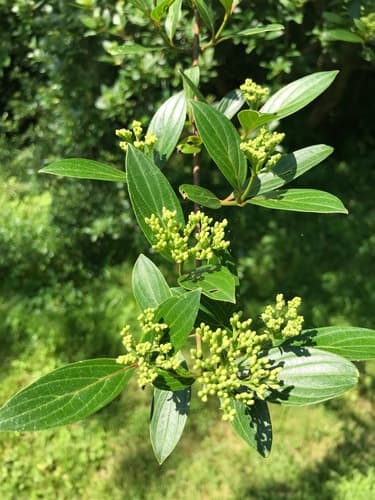
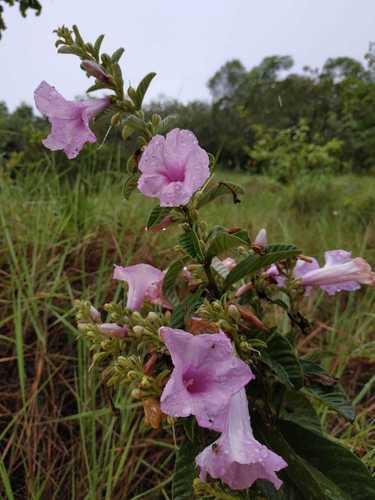
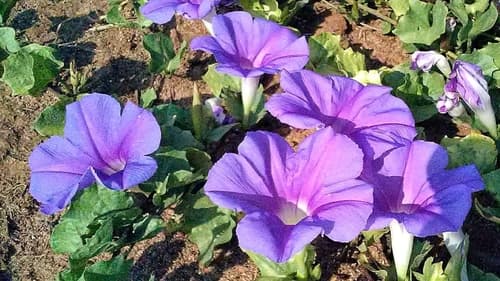
Ipomoea noctulifolia is a herbaceous, possibly vining plant, characterized by its vibrant, trumpet-shaped, purple-blue flowers with a lighter throat, typical of the Morning Glory genus. Its leaves appear to be simple and possibly heart-shaped or lobed, growing close to the ground.