Pepino
NamePepino
Scientific NameSolanum muricatum
Common NamesPepino Melon, Pepino Dulce, Sweet Cucumber, Melloco
Plant FamilySolanaceae
Natural HabitatNative to the Andean regions of South America, thriving in subtropical and temperate climates. It prefers well-drained soil and full sun.
Parts Usedfruit
Medicinal Actionsantioxidant
Traditional UsesTraditionally consumed as a fresh fruit for its sweet, mild flavor and hydrating properties. Rich in vitamins A, C, and K, and minerals, it is valued for general health and well-being, and sometimes used to support digestion due to its fiber content.
Active ConstituentsVitamins (C, A, K), Carotenoids, Phenolic compounds, Dietary fiber, Potassium
Preparation Methodsinfusion, powder
Contraindications & WarningsGenerally considered safe as a food. Individuals with known allergies to other Solanaceae family members (e.g., tomatoes, potatoes) should exercise caution, though reactions to pepino fruit are rare.
Cultivation NotesGrows best in warm, frost-free climates with well-drained, fertile soil. Requires consistent moisture and full sun. Can be grown from seeds or cuttings and benefits from staking or support.
Raritycommon
Description
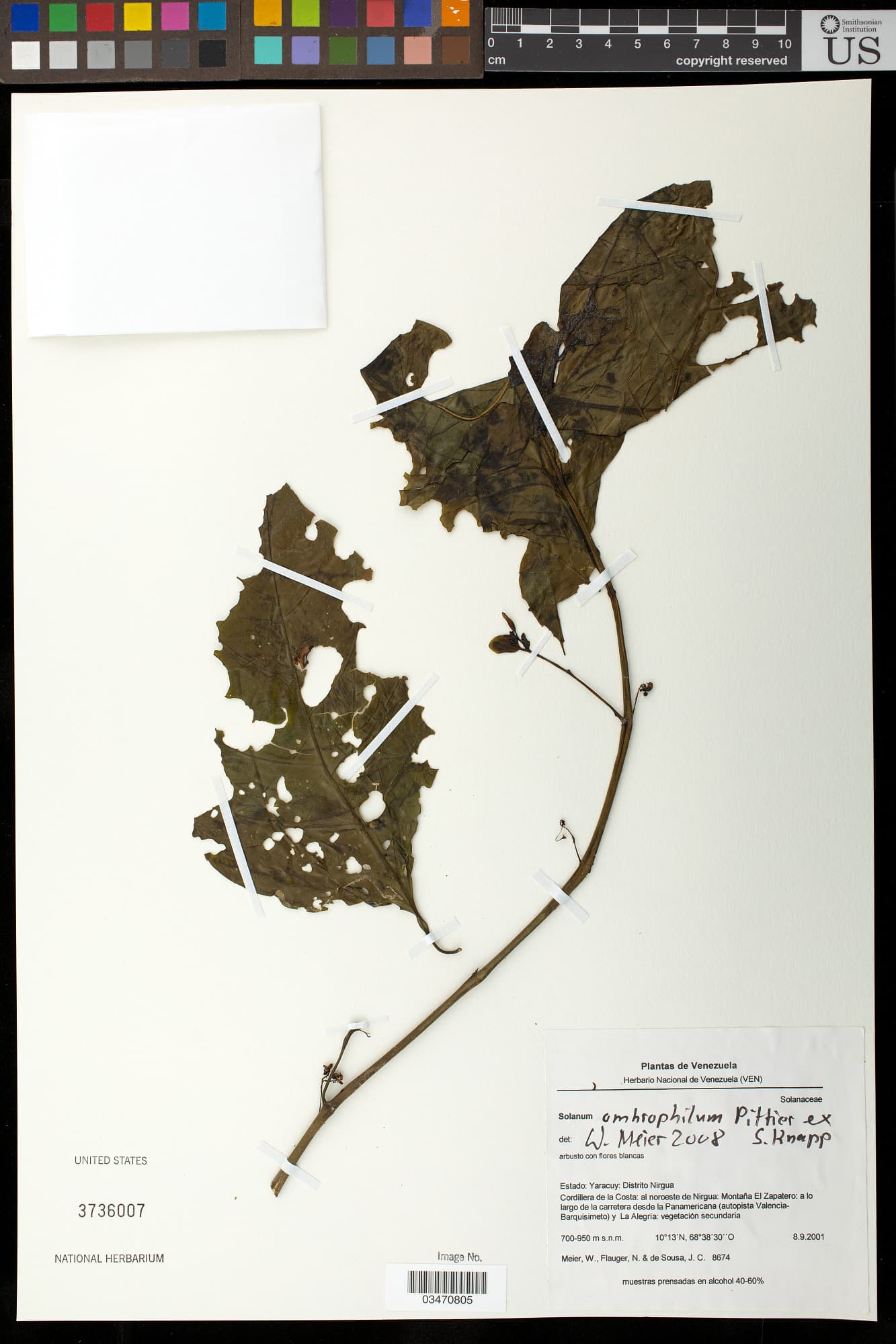
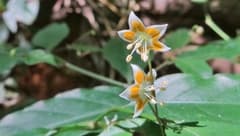
A herbaceous perennial shrub producing oval to heart-shaped fruits. The fruit has smooth, thin skin, typically pale yellow or cream with distinctive purple stripes when ripe, and a juicy, aromatic flesh.