Pennyroyal
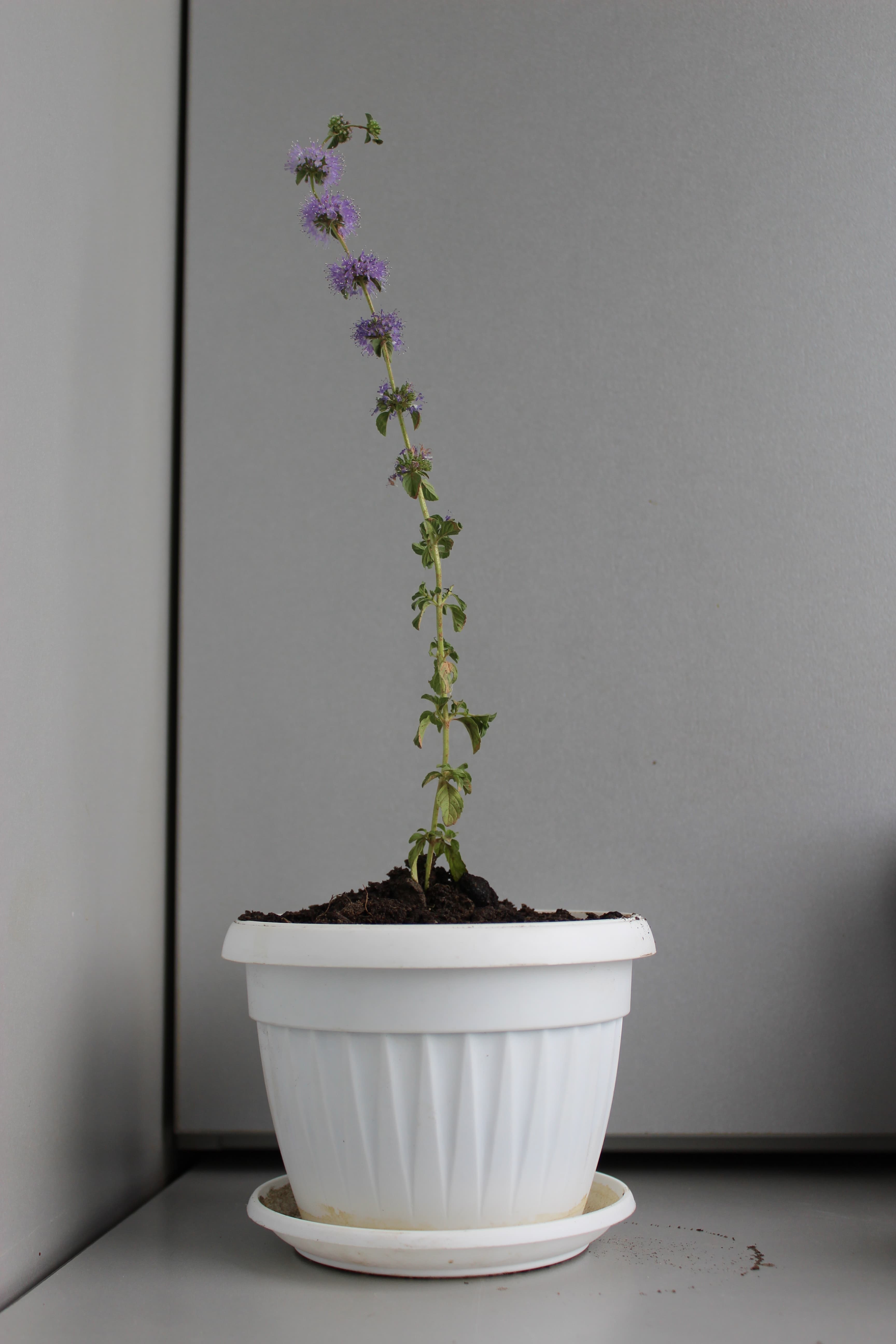
Image: EmirDzaferovic (CC0)
NamePennyroyal
Scientific NameMentha pulegium
Common NamesPennyroyal, European Pennyroyal, Pudding Grass
Plant FamilyLamiaceae
Natural HabitatNative to Europe, North Africa, and the Middle East, Pennyroyal thrives in damp, disturbed soils, meadows, pastures, and near water sources. It can also be found naturalized in other temperate regions.
Parts Usedleaf,flower
Medicinal Actionscarminative, antimicrobial
Traditional UsesHistorically, Pennyroyal was used as a carminative for digestive complaints like flatulence and colic, and as an emmenagogue to stimulate menstruation. It was also traditionally applied topically as an insect repellent and for skin irritations. However, due to its extreme toxicity, particularly the essential oil, internal use is highly dangerous and can be fatal.
Active ConstituentsPulegone, Menthone, Isomenthone, Limonene
Preparation Methodsinfusion, essential oil, poultice
Contraindications & WarningsPennyroyal is highly toxic, especially the essential oil, and should never be ingested. It is a potent abortifacient and can cause severe liver damage, kidney damage, seizures, and death. It is absolutely contraindicated in pregnancy, breastfeeding, and individuals with liver or kidney disease. Avoid all internal use.
Cultivation NotesPennyroyal is relatively easy to grow, preferring moist, well-drained soil and full sun to partial shade. It can spread aggressively via runners, so it's often best grown in containers or areas where its spread can be managed.
Raritycommon
Description
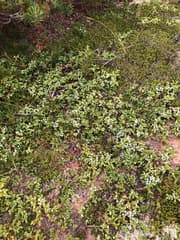
Pennyroyal is a low-growing, creeping perennial herb in the mint family, characterized by its square stems, small oval leaves, and whorls of small, pale purple flowers that bloom in the leaf axils. It emits a strong, minty aroma, especially when crushed.