Cuscuta parviflora
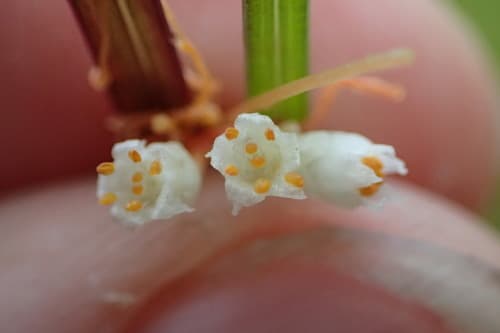
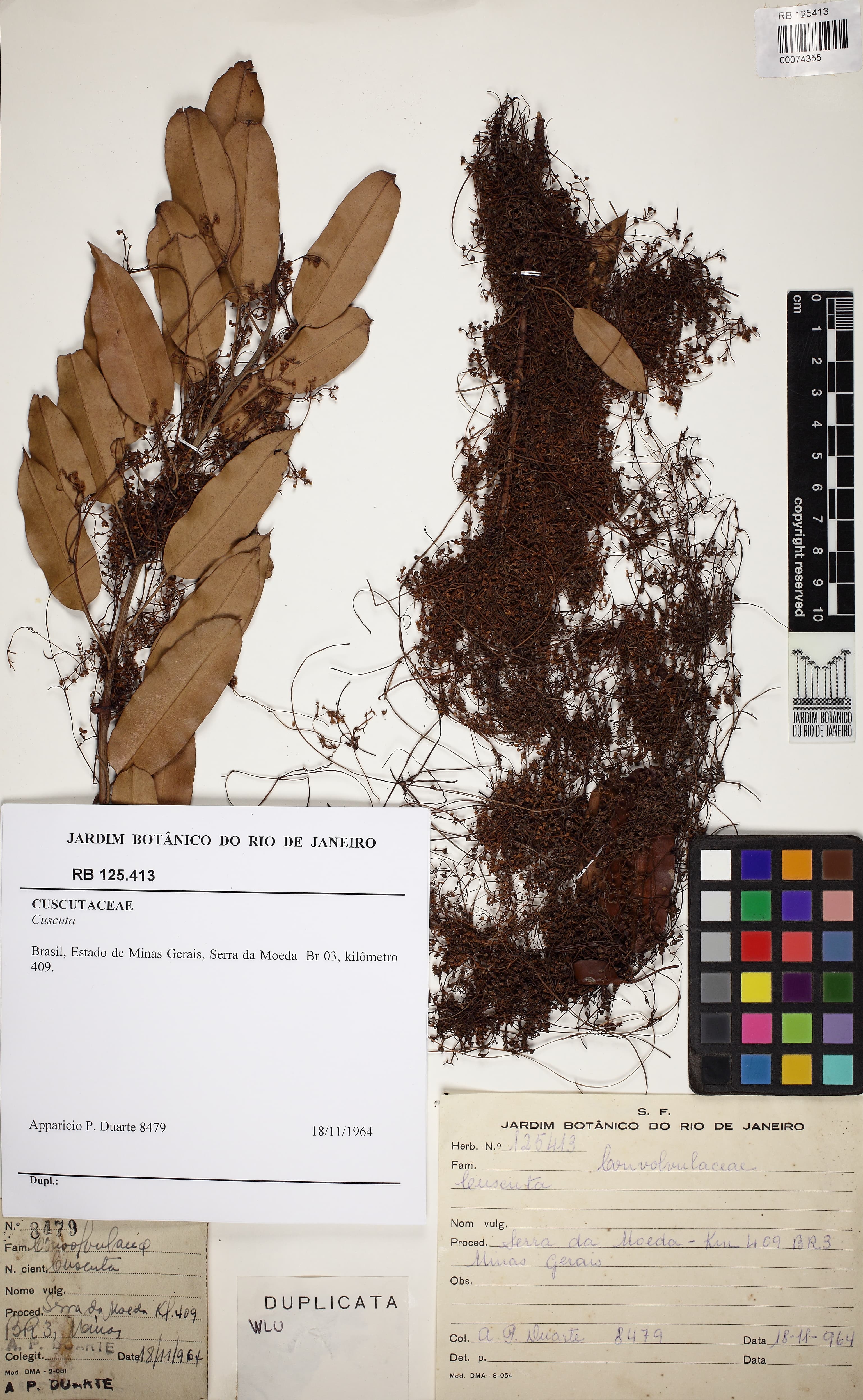
Image: A.P. Duarte (cc-by)
NameCuscuta parviflora
Scientific NameCuscuta parviflora Engelm.
Common NamesDodder, Small-flowered Dodder
Plant FamilyConvolvulaceae
Natural HabitatThis species is native to South America, with the specimen collected in Minas Gerais, Brazil, specifically in the Serra da Moeda region. As a parasitic plant, its habitat is dependent on the presence of suitable host plants in various temperate and tropical environments.
Parts Usedwhole_plant,seed
Medicinal Actionsadaptogen, anti-inflammatory, antimicrobial, antioxidant, diuretic
Traditional UsesTraditionally, species of Cuscuta, particularly their seeds (known as Tu Si Zi in TCM), are used as a tonic for the liver and kidneys. They are employed to improve vision, strengthen essence, and address conditions such as impotence, premature ejaculation, frequent urination, lower back pain, and blurred vision. The whole plant may also be used for similar tonic effects.
Active ConstituentsFlavonoids, Lignans, Polysaccharides, Saponins
Preparation Methodsinfusion, decoction, tincture, powder
Contraindications & WarningsCaution is advised for pregnant or lactating individuals, and those with yin deficiency with heat signs. Due to its parasitic nature, the plant may accumulate compounds from its host, which could potentially lead to interactions or toxicity if the host plant is harmful. Consult a healthcare professional before use.
Cultivation NotesCuscuta parviflora, like other dodder species, is an obligate parasite and cannot be cultivated independently. It requires a living host plant to germinate, grow, and survive, making conventional cultivation challenging and typically involving the deliberate introduction of seeds or stems onto a suitable host.
Raritycommon
Description
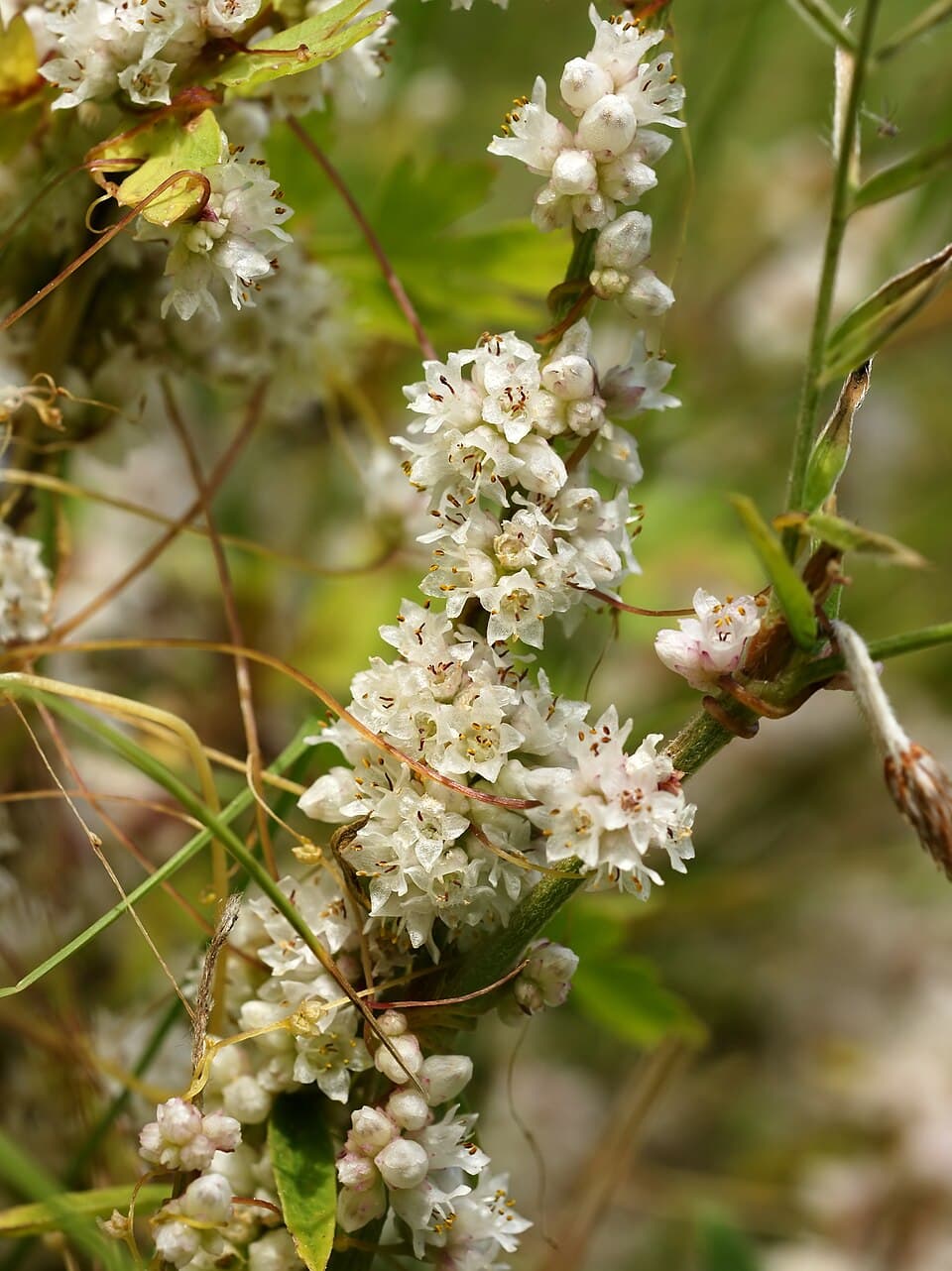
Cuscuta parviflora is an obligate parasitic plant characterized by its slender, leafless, twining stems that are typically yellowish to reddish-brown. It attaches to host plants via haustoria to absorb nutrients, producing small, inconspicuous flowers in clusters along its stems. The image displays a dried specimen showing these characteristic thread-like stems and small flower clusters.