Solanum crinitum
NameSolanum crinitum
Scientific NameSolanum crinitum
Common NamesBrazilian Potato Tree, Giant Tropical Nightshade, Crinitum Nightshade
Plant FamilySolanaceae
Natural HabitatNative to tropical South America, it thrives in disturbed areas, forest edges, clearings, and secondary forests, often found along roadsides.
Parts Usedleaf,fruit
Medicinal Actionsanti-inflammatory, antimicrobial, antioxidant
Traditional UsesWhile less commonly used than some other Solanum species, *Solanum crinitum* has limited traditional mentions in folk medicine for its potential anti-inflammatory properties, often applied externally or in highly diluted forms due to its inherent toxicity. The ripe fruits are sometimes consumed in specific regions, but this carries significant risk.
Active Constituentssteroidal glycoalkaloids, solasodine, flavonoids
Preparation Methodspoultice, decoction
Contraindications & WarningsAll parts of *Solanum crinitum*, especially unripe fruits, are considered toxic due to steroidal glycoalkaloids. Ingestion can cause severe gastrointestinal upset, neurological symptoms, and other adverse effects. Avoid use by pregnant/breastfeeding women, children, and individuals with liver or kidney conditions. Consult an expert before any use.
Cultivation NotesThis tropical plant prefers full sun to partial shade and well-drained soil. It is sensitive to frost and can be propagated from seeds. It can grow quite large and may require pruning.
Raritycommon
Description
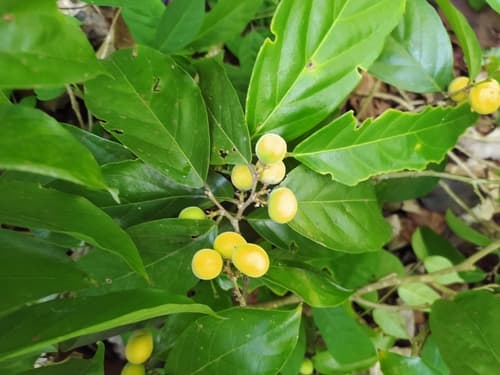
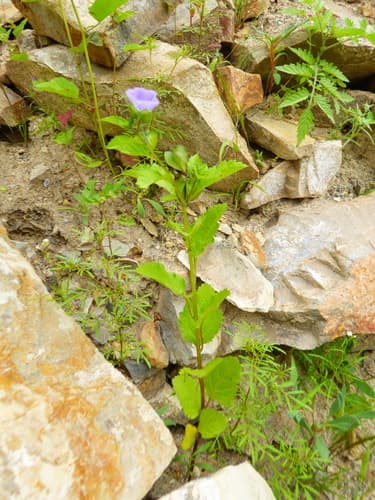
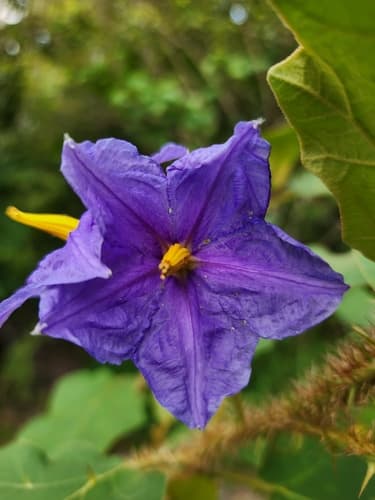
Solanum crinitum is a large, prickly shrub or small tree characterized by its velvety, hairy leaves and stems, often armed with spines. It produces showy, star-shaped purple flowers with prominent yellow anthers, followed by globose, hairy berries.