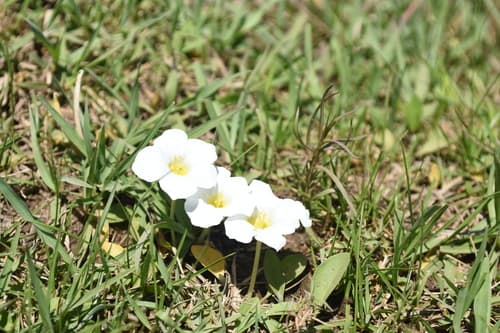
Ipomoea elongata
NameIpomoea elongata
Scientific NameIpomoea elongata
Common NamesBush Morning Glory, Manroot, Wild Potato, Large-rooted Morning Glory
Plant FamilyConvolvulaceae
Natural HabitatNative to the Great Plains of North America, it thrives in sandy soils, prairies, roadsides, and open woodlands, exhibiting strong drought tolerance.
Parts Usedroot,leaf,seed
Medicinal Actionsanti-inflammatory, antioxidant
Traditional UsesThe large root of Ipomoea elongata was traditionally utilized by various Native American tribes as a significant food source, especially during times of scarcity. Medicinally, it was employed as a strong purgative for constipation and to cleanse the system, and occasionally for stomach ailments and urinary issues. External applications for swellings were also noted.
Active Constituentsresin glycosides, starch
Preparation Methodsdecoction, powder, poultice
Contraindications & WarningsDue to its potent purgative effects, Ipomoea elongata should be used with extreme caution. It is contraindicated for pregnant women, young children, and individuals with gastrointestinal inflammation, obstruction, or severe dehydration. Overdose can lead to severe cramping, diarrhea, and electrolyte imbalance.
Cultivation NotesThis plant prefers full sun exposure and well-drained, sandy soils. Once established, it is highly drought-tolerant. Propagation is typically by seed, as its large taproot makes transplanting difficult.
Raritycommon
Description
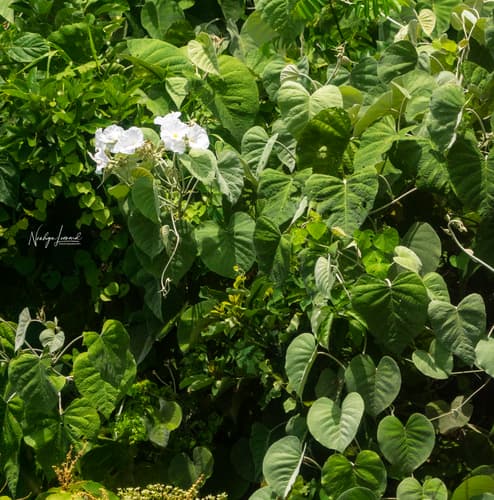
Ipomoea elongata is a perennial plant characterized by its large, tuberous taproot and trailing or erect stems. It produces showy, funnel-shaped flowers, typically vibrant pink to purplish-pink, blooming in summer amidst narrow, linear leaves.