Pale Wolfberry
NamePale Wolfberry
Scientific NameLycium pallidum
Common NamesPale Wolfberry, Desert Wolfberry, Tomatillo de Coyote
Plant FamilySolanaceae
Natural HabitatNative to arid and semi-arid regions of the southwestern United States and northern Mexico, commonly found in deserts, scrublands, canyons, and rocky slopes.
Parts Usedfruit,leaf
Medicinal Actionsantioxidant
Traditional UsesTraditionally, the berries were a significant food source for various Native American tribes, often consumed fresh or cooked. They were also used in traditional medicine for general health, promoting eye health, and as a mild laxative. Leaves may have been used topically.
Active Constituentspolysaccharides, carotenoids, flavonoids, vitamins
Preparation Methodsinfusion, powder
Contraindications & WarningsGenerally considered safe when consumed as food. However, excessive consumption may lead to laxative effects. As with other Lycium species, caution is advised for individuals on blood-thinning medications, though specific interactions for L. pallidum are less documented.
Cultivation NotesThis plant is highly drought-tolerant and thrives in full sun with well-drained soil. It can be propagated from seeds or cuttings and is well-suited for xeriscaping in its native climate.
Raritycommon
Description
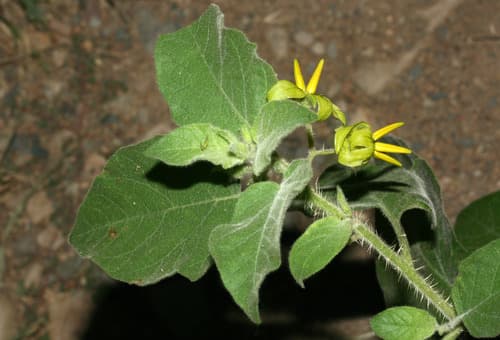
A deciduous shrub growing 3-6 feet tall, characterized by thorny branches and distinctive pale, often glaucous, oval leaves. It produces numerous pale yellow to greenish-white, trumpet-shaped flowers that mature into orange to red berries.