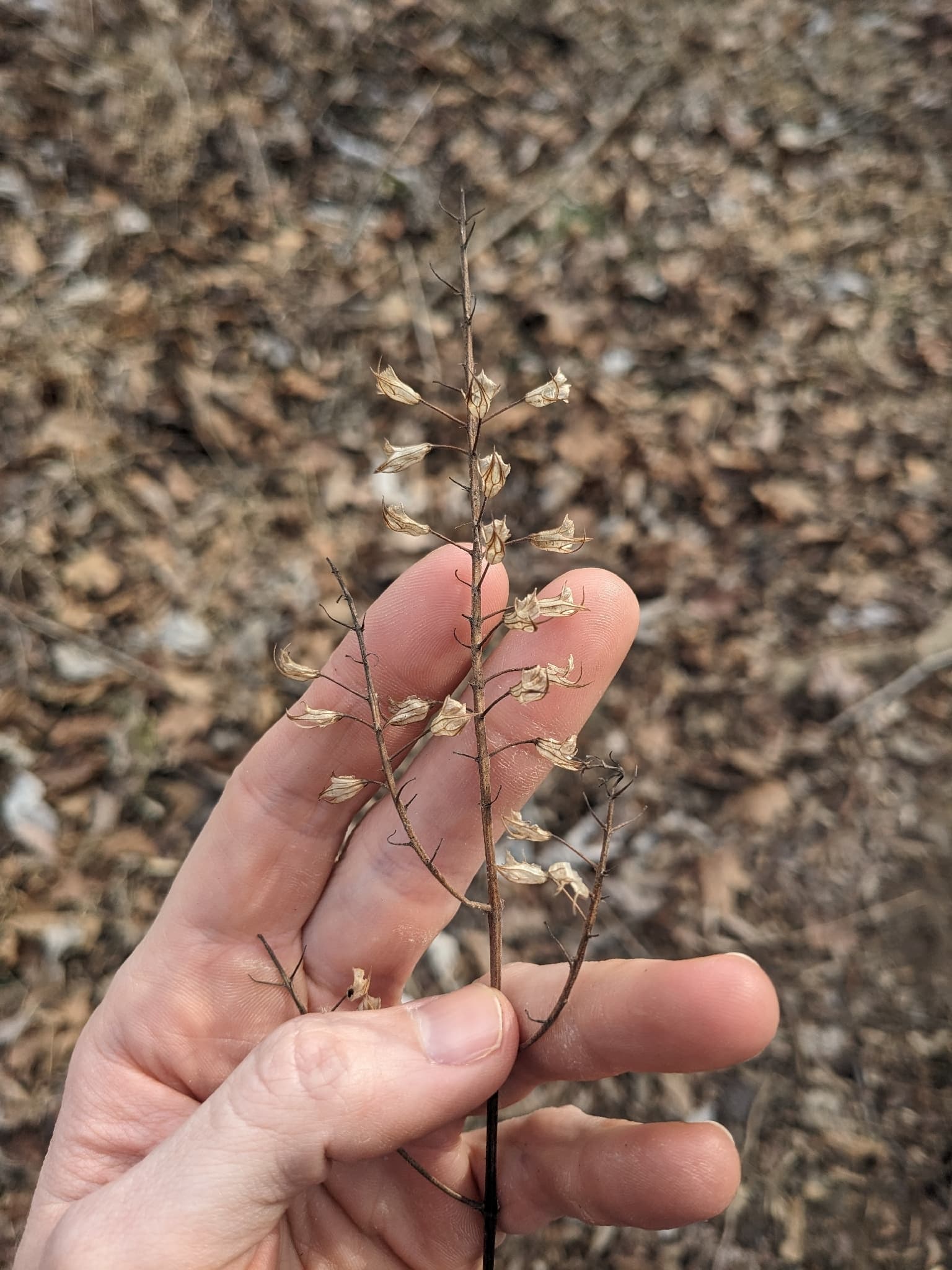
Wych Elm
NameWych Elm
Scientific NameUlmus glabra
Common NamesWych Elm, Scots Elm, Mountain Elm
Plant FamilyUlmaceae
Natural HabitatNative to most of Europe, Wych Elm typically grows in woodlands, hedgerows, and along rivers, preferring moist, fertile soils.
Parts Usedbark,leaf
Medicinal Actionsdemulcent, anti-inflammatory, astringent
Traditional UsesTraditionally, the inner bark of Wych Elm has been used internally to soothe inflamed mucous membranes in the digestive and respiratory tracts, addressing conditions like sore throats, coughs, and stomach irritations. Externally, it was applied as a poultice for wounds, boils, and various skin inflammations.
Active Constituentsmucilage, tannins, phytosterols
Preparation Methodsinfusion, decoction, poultice, powder
Contraindications & WarningsGenerally considered safe, but due to its mucilage content, it may interfere with the absorption of other medications if taken concurrently. Pregnant or lactating individuals should consult a healthcare professional.
Cultivation NotesWych Elm thrives in moist, well-drained, fertile soils and can tolerate a range of soil types and some shade. It is highly susceptible to Dutch Elm Disease, which has significantly impacted its populations.
Raritycommon
Description
Wych Elm is a large deciduous tree native to Europe. It features broad, rough, asymmetrical leaves with doubly serrated margins and produces distinctive clusters of winged seeds (samaras) in spring.