Orach-leaved Nightshade
NameOrach-leaved Nightshade
Scientific NameSolanum atriplicifolium
Common NamesOrach-leaved Nightshade, Saltbush Nightshade
Plant FamilySolanaceae
Natural HabitatNative to South America, this plant is commonly found in disturbed areas, roadsides, agricultural fields, and coastal regions. It is known for its tolerance to various soil types, including saline conditions.
Parts Usedwhole_plant
Medicinal Actionsanti-inflammatory, analgesic
Traditional UsesSpecific traditional medicinal uses for Solanum atriplicifolium are not widely documented in mainstream ethnobotanical literature, and its toxicity is a significant concern. However, some species within the Solanum genus have been traditionally used externally as poultices or compresses for their purported anti-inflammatory and analgesic properties, particularly for skin ailments or localized pain, though such uses require extreme caution due to the presence of toxic compounds.
Active Constituentssteroidal glycoalkaloids, solanine, solamargine
Preparation Methodspoultice, salve
Contraindications & WarningsAll parts of Solanum atriplicifolium are considered toxic due to the presence of steroidal glycoalkaloids, especially the unripe fruits. Internal consumption can cause severe gastrointestinal upset, neurological symptoms, and can be fatal. Avoid use by pregnant or nursing women, children, and individuals with liver or kidney conditions. External use should be approached with extreme caution and under expert guidance due to potential skin irritation or systemic absorption.
Cultivation NotesThis species is often considered a weed and is relatively easy to grow in various conditions, thriving in disturbed soils and tolerating saline environments. It propagates readily from seed and can establish quickly in suitable habitats.
Raritycommon
Description
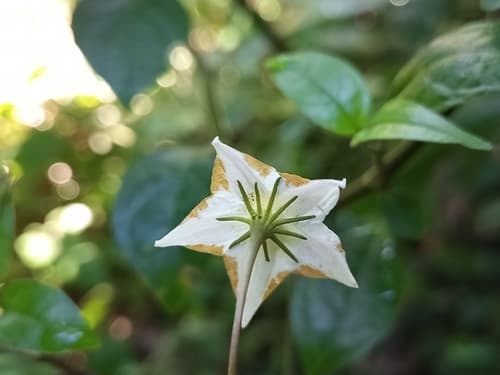
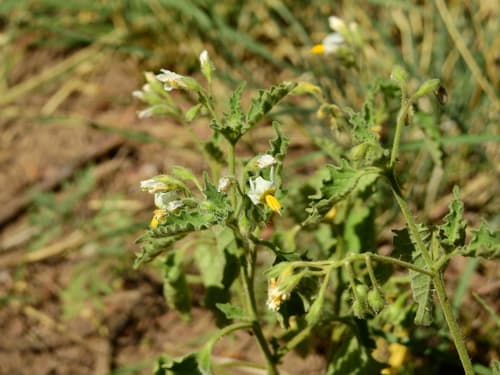
Solanum atriplicifolium is a herbaceous perennial or annual plant, typically growing prostrate or decumbent with deeply lobed to sinuate-dentate leaves that can be somewhat fleshy and pubescent. It produces small, star-shaped white to pale lavender flowers with prominent yellow anthers, which are followed by small, green to yellowish-green berries.