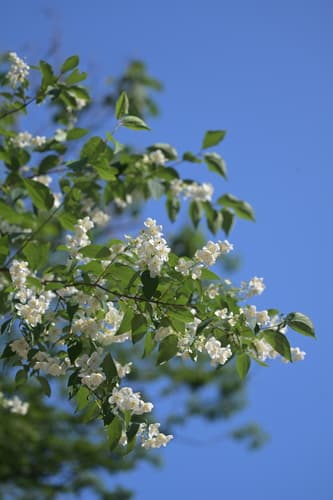
Philadelphus zhejiangensis
NamePhiladelphus zhejiangensis
Scientific NamePhiladelphus zhejiangensis
Common NamesZhejiang Mock-orange, Mock-orange
Plant FamilyHydrangeaceae
Natural HabitatThis species is endemic to Zhejiang province in China, where it typically grows in woodlands, thickets, and along stream banks.
Parts Usedleaf,flower
Medicinal Actionsantioxidant, astringent, diuretic
Traditional UsesWhile Philadelphus zhejiangensis is primarily cultivated as an ornamental plant for its fragrant flowers, specific traditional medicinal uses for this particular species are not widely documented. However, some species within the Philadelphus genus have historically been used in folk medicine for their mild diuretic properties or for external applications due to astringent qualities.
Active Constituentsflavonoids, tannins, volatile_oils, saponins
Preparation Methodsinfusion, decoction
Contraindications & WarningsThere are no well-documented contraindications for Philadelphus zhejiangensis due to its limited medicinal use. As with any plant not extensively studied for internal consumption, caution is advised, and it is generally not recommended for medicinal use without expert guidance.
Cultivation NotesPhiladelphus zhejiangensis thrives in full sun to partial shade and prefers well-drained soil. It is a hardy shrub that can tolerate a range of soil types and is relatively low-maintenance, requiring minimal pruning to maintain shape.
Rarityuncommon
Description
Philadelphus zhejiangensis is a deciduous shrub native to China, typically growing 1-3 meters tall. It features ovate, green leaves and produces abundant clusters of small, fragrant white flowers in late spring to early summer.