Nolana lachimbensis
NameNolana lachimbensis
Scientific NameNolana lachimbensis
Common NamesNolana
Plant FamilySolanaceae
Natural HabitatEndemic to the arid coastal regions of northern Chile, particularly the Coquimbo Region. It thrives in sandy or rocky soils, often found in coastal fog oases (lomas formations) where it benefits from atmospheric moisture.
Parts Usedwhole_plant,leaf
Medicinal Actionsantioxidant, anti-inflammatory
Traditional UsesSpecific traditional medicinal uses for Nolana lachimbensis are not widely documented. However, some species within the Nolana genus are known to be consumed as food by indigenous populations in their native range, potentially offering general nutritional benefits.
Active Constituentsflavonoids, alkaloids, phenolic compounds
Preparation Methodspowder
Contraindications & WarningsDue to limited research on its medicinal properties and the presence of alkaloids common in the Solanaceae family, specific contraindications are not well-established. Caution is advised, and consumption should be avoided without expert guidance.
Cultivation NotesThis plant requires well-drained, sandy or rocky soil and full sun exposure. It is highly drought-tolerant and suitable for xeriscaping or rock gardens in arid to semi-arid climates. Protection from frost is generally recommended.
Rarityuncommon
Description
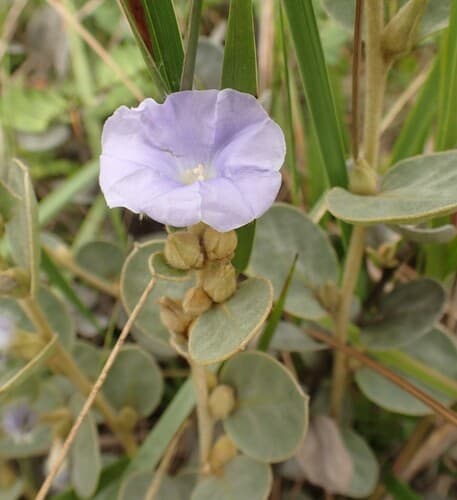
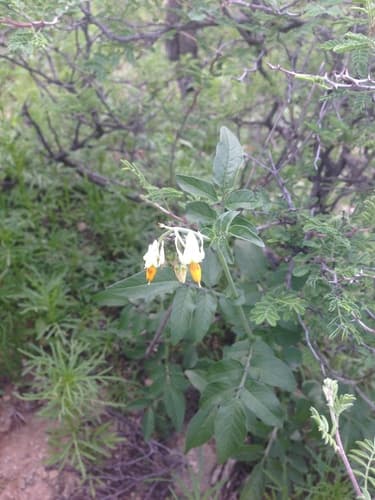
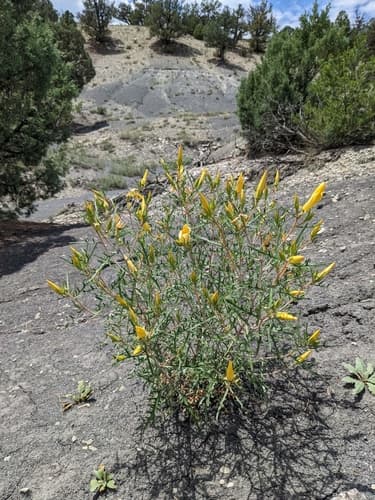
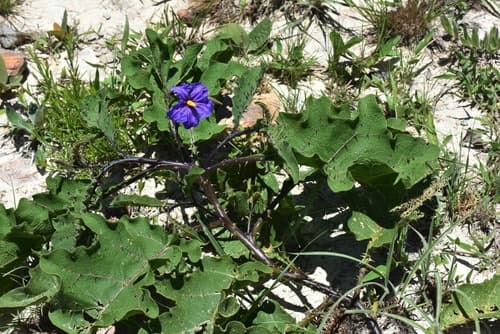
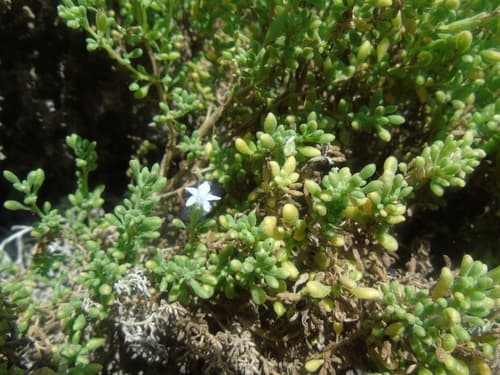
Nolana lachimbensis is a low-growing, succulent subshrub endemic to the coastal regions of Chile. It features small, fleshy, obovate leaves and produces tiny, solitary, star-shaped flowers, typically white or pale blue, emerging from the leaf axils. The plant forms dense mats or cushions, adapting to arid environments.