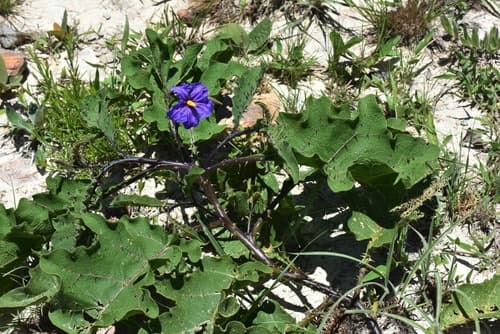
Solanum medusae
NameSolanum medusae
Scientific NameSolanum medusae
Common NamesMedusa's Nightshade
Plant FamilySolanaceae
Natural HabitatNative to South America, particularly Brazil, it thrives in sandy soils, disturbed areas, roadsides, and open fields, often in dry or semi-arid environments.
Parts Usedwhole_plant
Medicinal Actionsanti-inflammatory, analgesic
Traditional UsesTraditional medicinal uses for *Solanum medusae* are not widely documented in mainstream ethnobotanical literature. Many species within the *Solanum* genus are known for containing toxic glycoalkaloids, and while some have historical uses for pain relief or inflammation (often externally or with highly processed forms), internal consumption of *S. medusae* is generally considered unsafe due to potential toxicity.
Active Constituentssolanaceous alkaloids, glycoalkaloids
Preparation Methodspoultice
Contraindications & WarningsDue to the presence of toxic glycoalkaloids, *Solanum medusae* is generally considered poisonous. Internal consumption is strongly contraindicated. Skin contact with sap may cause irritation. Pregnant or nursing women, children, and individuals with liver or kidney conditions should avoid all contact.
Cultivation NotesThis hardy plant prefers full sun and well-drained, sandy soils. It is often found in disturbed areas and can tolerate dry conditions. Propagation is typically by seed.
Rarityuncommon
Description
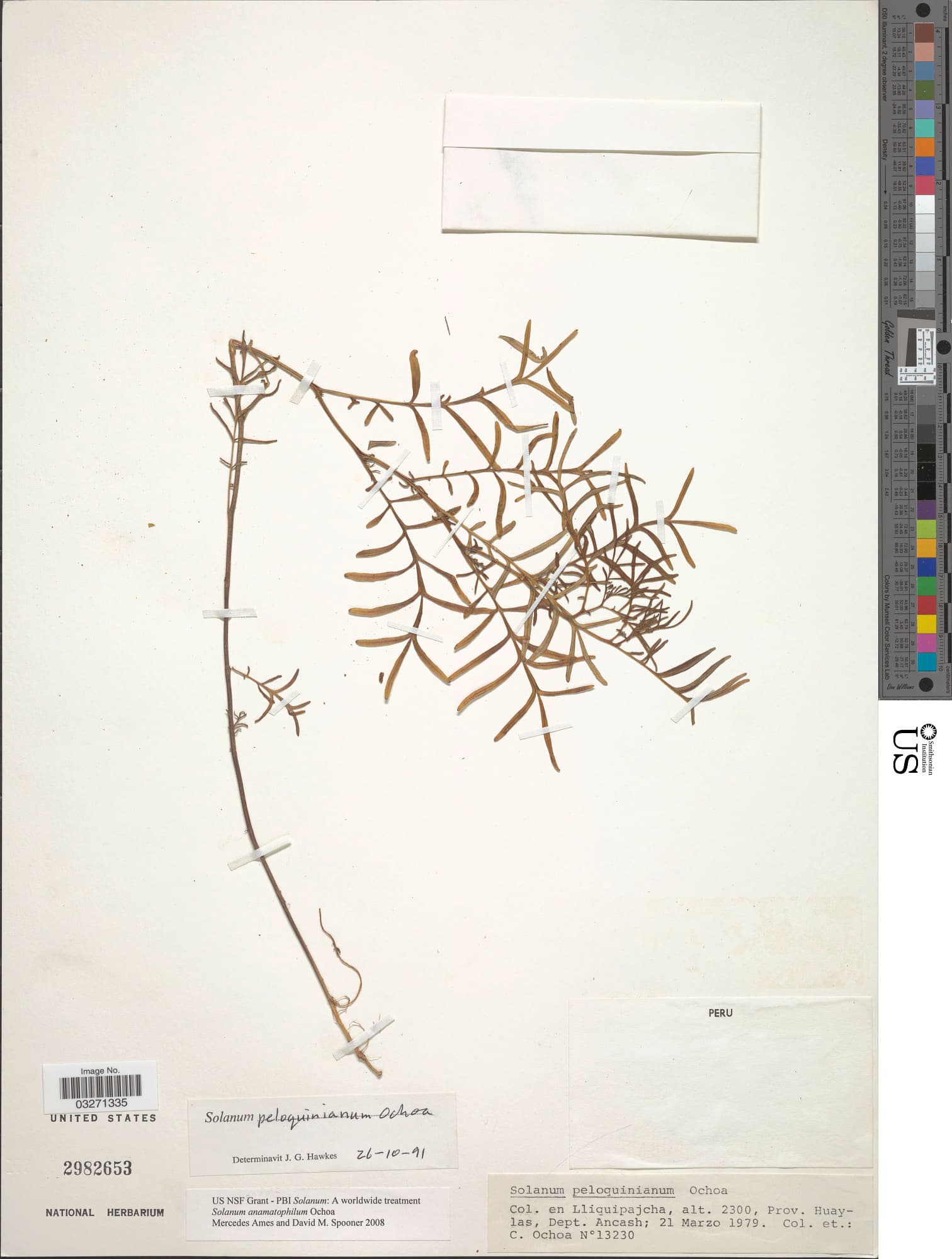
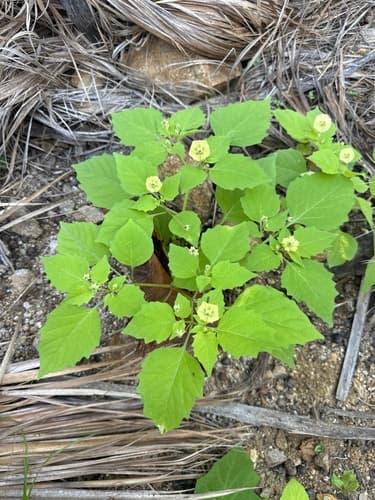
Solanum medusae is a spiny perennial herb or subshrub, characterized by deeply lobed, often prickly leaves and vibrant purple, star-shaped flowers with prominent yellow anthers. Its stems are typically purplish and also bear sharp spines.