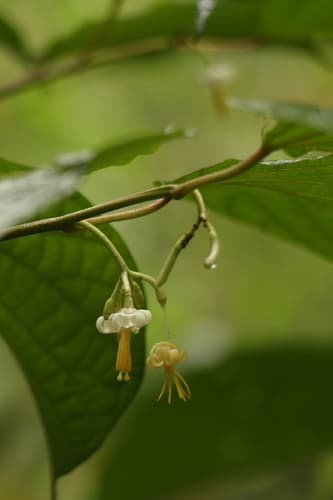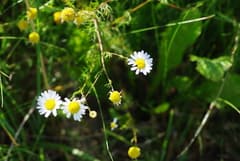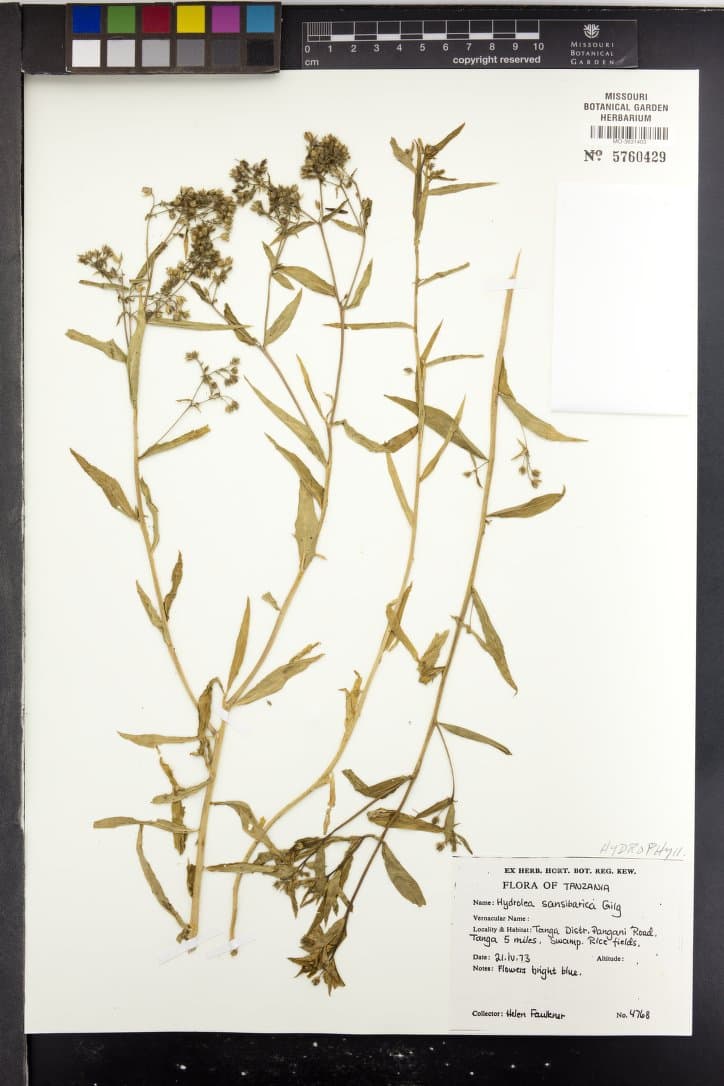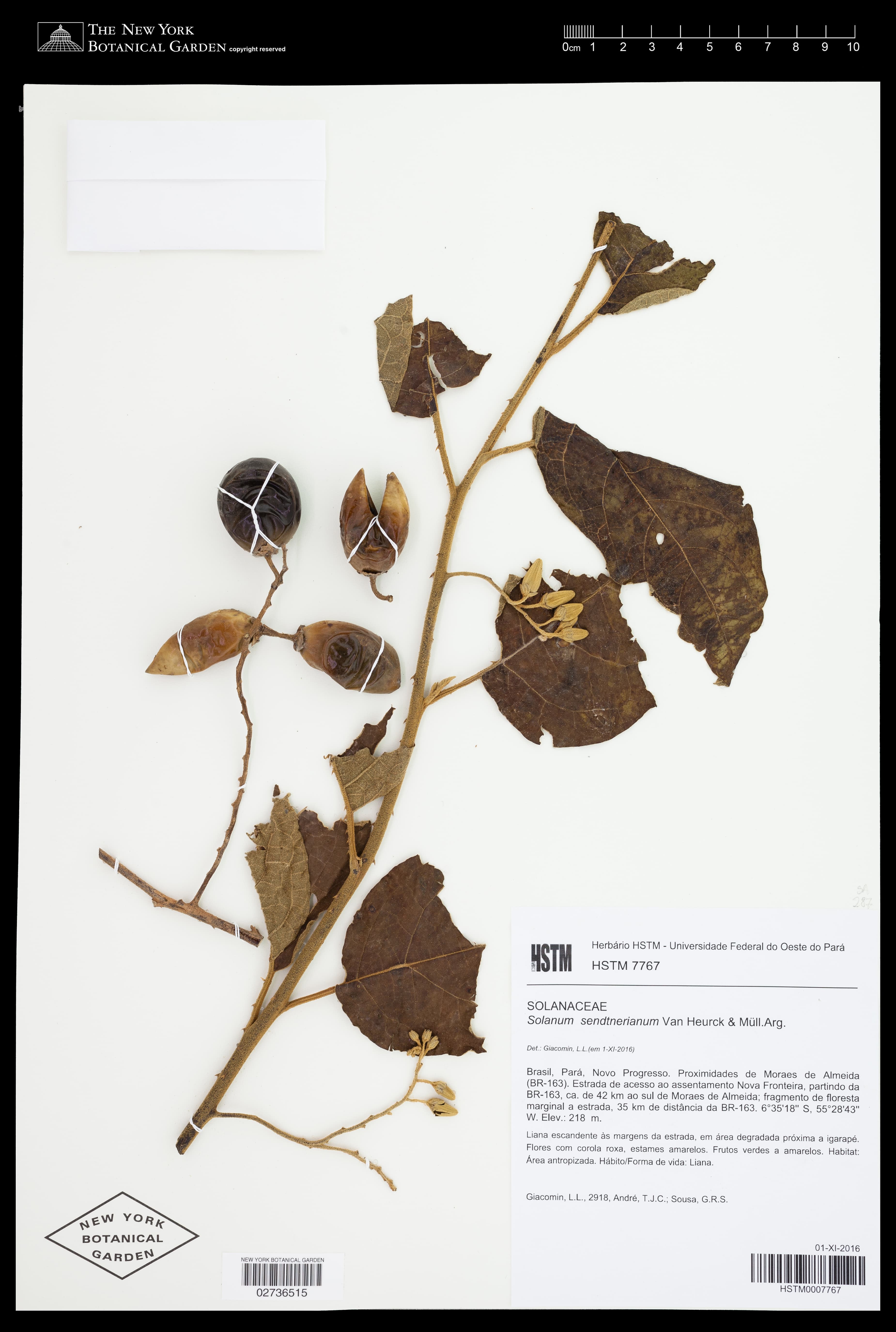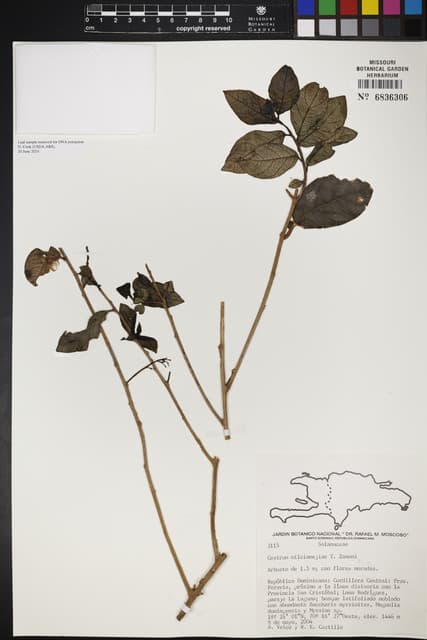
Cestrum milciomejiae
Image: MBG (cc-by-nc)
NameCestrum milciomejiae
Scientific NameCestrum milciomejiae T. Zanoni
Plant FamilySolanaceae
Natural HabitatEndemic to the Dominican Republic, specifically found in the Cordillera Central mountain range. It thrives in cloud broadleaf forests at elevations around 1446 meters, often alongside species like Bunchosia myrsinoides and Magnolia domingensis.
Parts Usedleaf,flower
Medicinal Actionsanalgesic, anti-inflammatory
Traditional UsesSpecific traditional medicinal uses for Cestrum milciomejiae are not well-documented. However, other species within the Cestrum genus have been traditionally used for pain relief and reducing inflammation, though often with significant warnings due to their toxic nature.
Active Constituentssteroidal glycoalkaloids, alkaloids
Preparation Methodsinfusion, poultice
Contraindications & WarningsAll parts of Cestrum species are generally considered toxic due to the presence of alkaloids and glycoalkaloids. Ingestion can cause severe gastrointestinal distress, neurological symptoms, and other adverse effects. Use of Cestrum milciomejiae for medicinal purposes is highly discouraged without extensive research and expert guidance.
Cultivation NotesSpecific cultivation notes for Cestrum milciomejiae are not readily available. As a species from a cloud forest habitat, it likely requires high humidity, moderate temperatures, and well-drained soil.
Rarityrare
Description
This plant is a shrub, typically growing up to 1.5 meters tall, characterized by its distinctive purple flowers. The specimen shows woody stems and simple, alternate leaves.