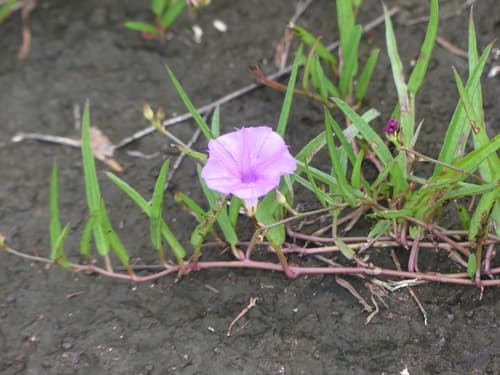
Ipomoea leprieurii
NameIpomoea leprieurii
Scientific NameIpomoea leprieurii
Common NamesLeprieur's Morning Glory, Morning Glory
Plant FamilyConvolvulaceae
Natural HabitatThis species is commonly found in tropical and subtropical regions, thriving in sandy soils, grasslands, disturbed areas, roadsides, and open woodlands.
Parts Usedroot,leaf,whole_plant
Medicinal Actionsanti-inflammatory, antimicrobial, antioxidant
Traditional UsesTraditionally, various parts of the plant, particularly the roots, have been used as a purgative due to the presence of resin glycosides. It has also been applied topically in some traditional systems for certain skin ailments and to reduce inflammation.
Active ConstituentsResin glycosides, Flavonoids
Preparation Methodsinfusion, decoction, powder, poultice
Contraindications & WarningsDue to its potential purgative effects, it should be avoided during pregnancy, lactation, and in individuals with intestinal obstruction, severe gastrointestinal inflammation, or other serious digestive disorders. Consult a healthcare professional before use.
Cultivation NotesIpomoea leprieurii prefers full sun exposure and well-drained soil, tolerating a range of soil types including poor or sandy soils. It is often considered a resilient plant, capable of growing in disturbed areas.
Raritycommon
Description
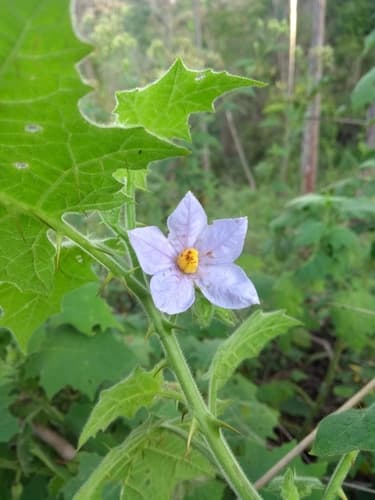
Ipomoea leprieurii is a prostrate or twining annual or perennial herb, characterized by its slender stems and narrow, linear to lanceolate leaves. It produces solitary, axillary, funnel-shaped flowers, typically light purple or pinkish-purple in color.