Nicotiana pauciflora
NameNicotiana pauciflora
Scientific NameNicotiana pauciflora
Common NamesWild Tobacco, Pauciflora Tobacco
Plant FamilySolanaceae
Natural HabitatNative to arid and semi-arid regions of South America, particularly in countries like Argentina, Bolivia, Chile, and Peru. It often grows in disturbed soils, rocky slopes, and dry riverbeds.
Parts Usedleaf,whole_plant
Medicinal Actionsanalgesic, antimicrobial
Traditional UsesTraditionally, various Nicotiana species, including wild tobaccos, have been used by indigenous peoples for ceremonial purposes, as a stimulant, and externally as a poultice for pain relief, insect bites, and skin ailments. Due to high toxicity, internal use is extremely rare and dangerous.
Active Constituentsnicotine, nornicotine, anabasine, other pyridine alkaloids
Preparation Methodspoultice, infusion
Contraindications & WarningsHighly toxic if ingested. Nicotiana species contain potent alkaloids, primarily nicotine, which is addictive and poisonous. Contraindicated for internal use, pregnant or breastfeeding individuals, children, and those with heart conditions or other serious health issues. External use should be approached with extreme caution due to potential skin absorption.
Cultivation NotesPrefers full sun and well-drained soil. It is relatively drought-tolerant once established. Can be grown from seed and typically behaves as an annual or short-lived perennial in suitable climates.
Rarityuncommon
Description
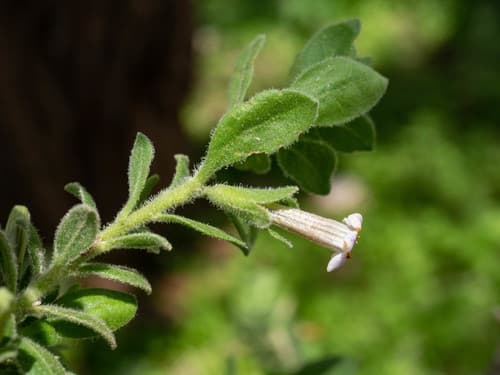
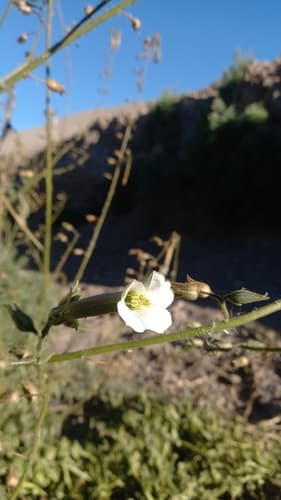
Nicotiana pauciflora is a slender, herbaceous plant characterized by its few, small, white to greenish-white tubular flowers. It typically grows upright, producing elongated seed capsules after flowering. The plant often has a sticky, glandular texture.