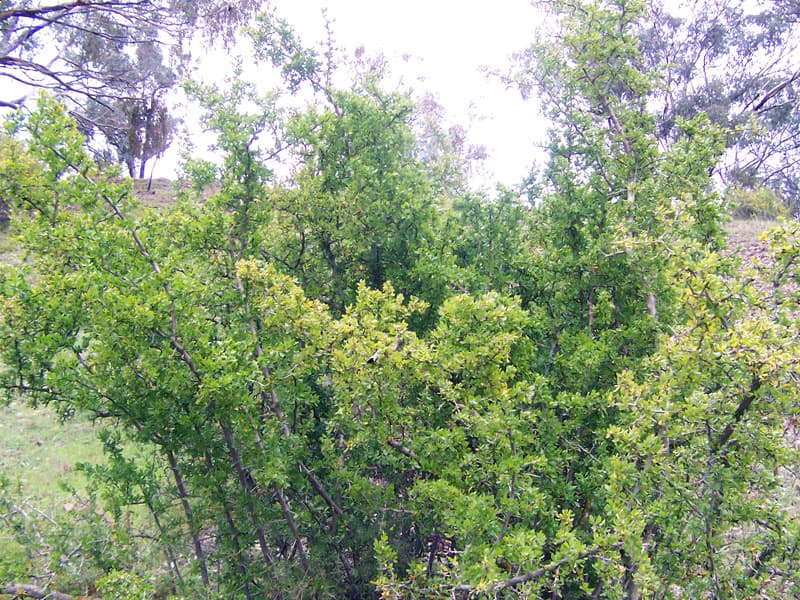
Indian Nightshade
NameIndian Nightshade
Scientific NameSolanum virginianum
Common NamesIndian Nightshade, Yellow-berried Nightshade, Kantakari, Thorny Nightshade, Febrifuge Plant
Plant FamilySolanaceae
Natural HabitatCommonly found in tropical and subtropical regions, growing in disturbed areas, roadsides, open fields, and waste places. It thrives in warm climates and is often considered a weed.
Parts Usedroot,whole_plant,fruit,flower,leaf
Medicinal Actionsanti-inflammatory, expectorant, diuretic, antimicrobial, antioxidant, analgesic
Traditional UsesTraditionally used in Ayurvedic medicine for respiratory conditions like cough, asthma, and bronchitis due to its expectorant properties. It is also employed for fever, digestive issues, and as an anti-inflammatory for joint pain and skin ailments. The fruits are sometimes used for sore throats.
Active ConstituentsSolasodine, Solamargine, Solanine, Solasonine, Flavonoids, Saponins, Glycoalkaloids
Preparation Methodsdecoction, infusion, powder, poultice
Contraindications & WarningsPregnant and breastfeeding women should avoid use. Due to the presence of glycoalkaloids, consumption of unripe fruits or excessive amounts can be toxic, causing gastrointestinal upset, nausea, vomiting, and neurological symptoms. Consult a healthcare professional before use.
Cultivation NotesPrefers full sun and well-drained soil. It is a hardy plant that can tolerate various soil types but thrives in fertile, loamy soil. Propagated by seeds or root cuttings.
Raritycommon
Description
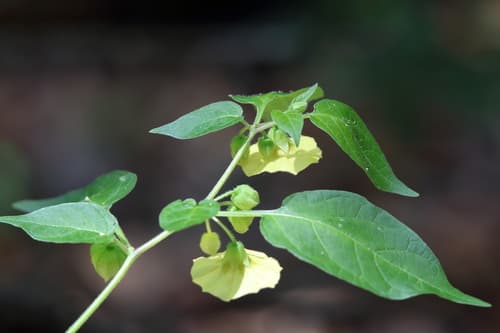
A spiny, perennial herb or small shrub, typically growing prostrate or erect. It features lobed, hairy leaves, purple star-shaped flowers with prominent yellow anthers, and small, round fruits that ripen from green to yellow or orange.