Nicotiana cutleri
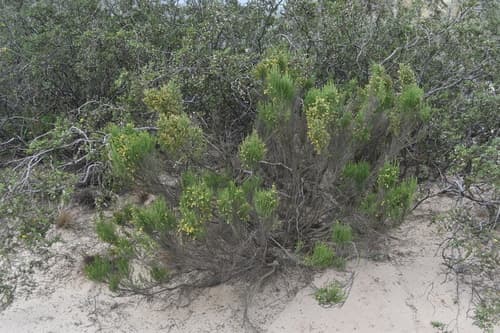
Image: Ehrich,R. (cc-by-sa)
NameNicotiana cutleri
Scientific NameNicotiana cutleri D' Arcy
Common NamesWild Tobacco, Cutler's Tobacco
Plant FamilySolanaceae
Natural HabitatNative to parts of South America, particularly Bolivia and Peru, often found in disturbed areas, open woodlands, or along roadsides at moderate elevations.
Parts Usedleaf,flower,whole_plant
Medicinal Actionsanalgesic, antimicrobial
Traditional UsesTraditionally, various Nicotiana species, including wild tobaccos, have been used by indigenous cultures for ritualistic purposes, as entheogens, and for topical applications. Leaves might be crushed and applied as a poultice for pain relief, insect bites, or skin ailments. Internal use is generally highly restricted due to extreme toxicity, often limited to ceremonial smoking or very dilute preparations.
Active ConstituentsNicotine, Nornicotine, Anabasine, Anatabine
Preparation Methodsinfusion, poultice, powder
Contraindications & WarningsEXTREMELY TOXIC. All parts of the plant are poisonous if ingested. Contains highly addictive nicotine. Can cause nausea, vomiting, dizziness, convulsions, respiratory paralysis, and death. Not safe for internal consumption. Avoid use by pregnant or nursing women, children, and individuals with heart conditions, high blood pressure, or neurological disorders. Interacts with many medications.
Cultivation NotesPrefers full sun and well-drained soil. Can tolerate a range of soil types but thrives in fertile conditions. Requires regular watering, especially during dry periods. Can be grown from seed.
Raritycommon
Description
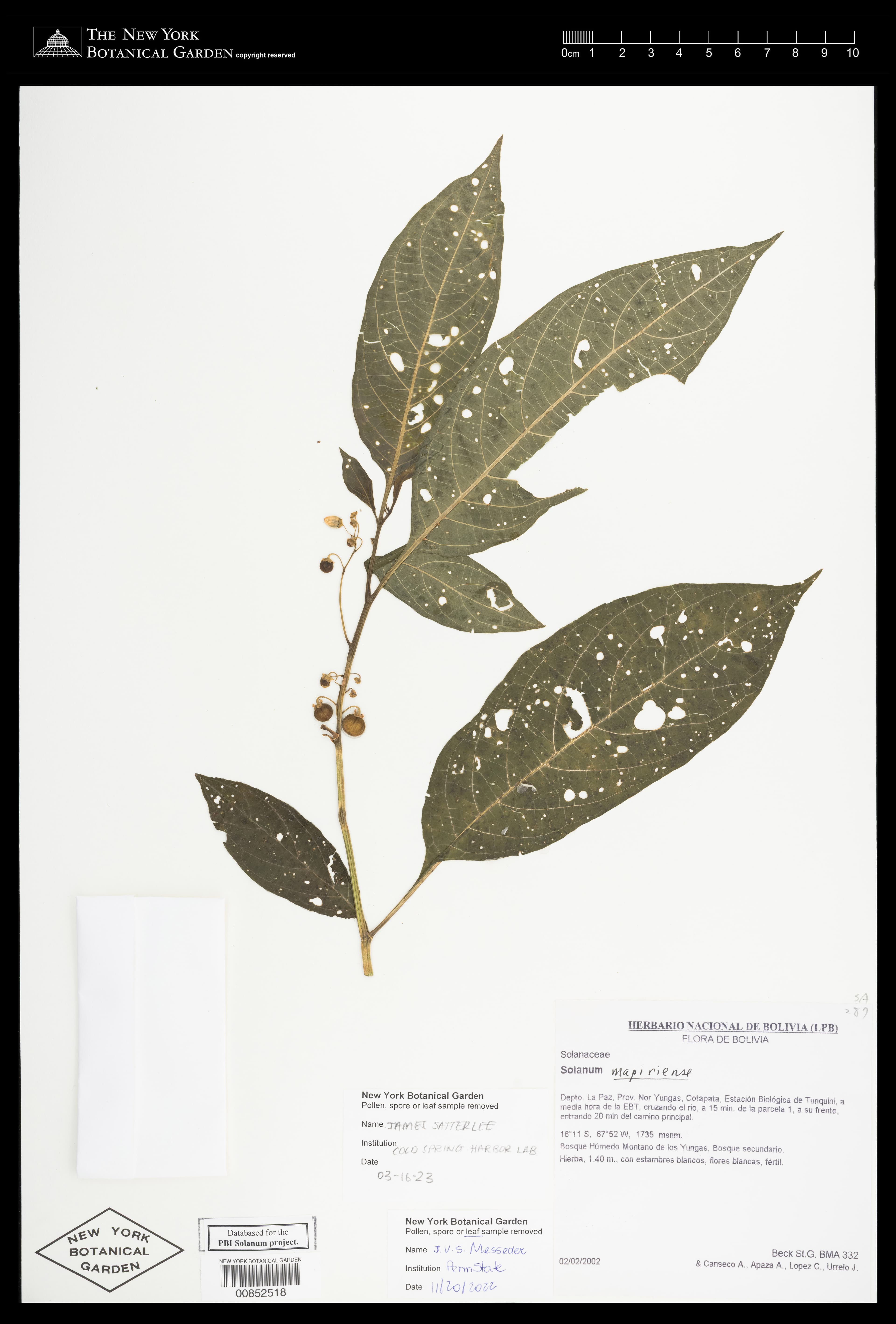
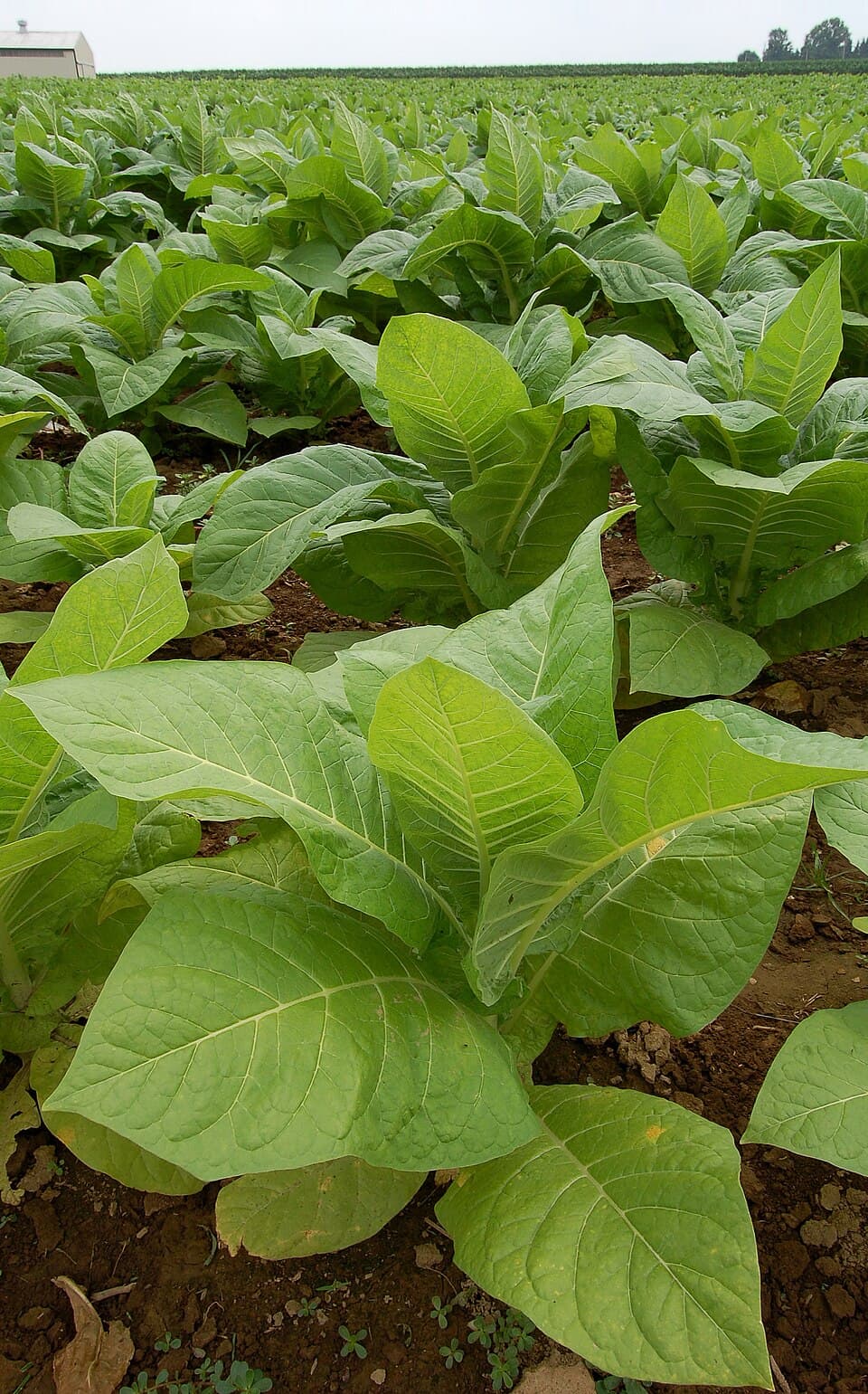
Nicotiana cutleri is an herbaceous plant characterized by its broad, ovate to lanceolate leaves and terminal clusters of pale yellow to greenish-white, tubular flowers. The plant typically grows upright, often with a somewhat sticky or glandular texture.