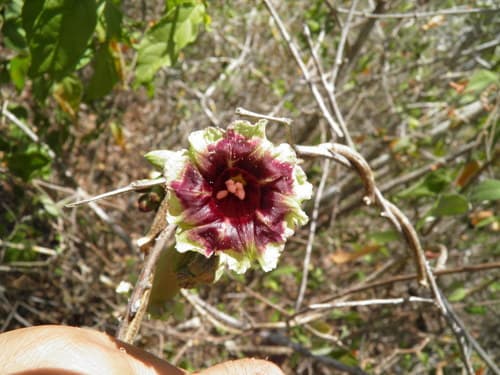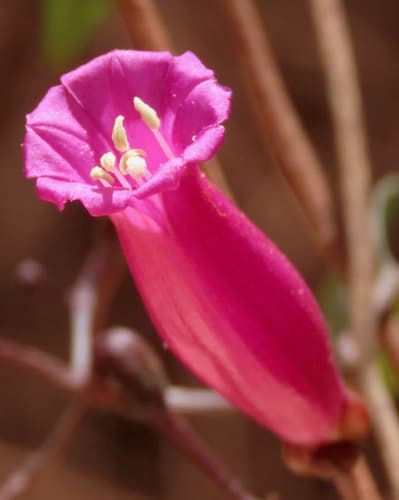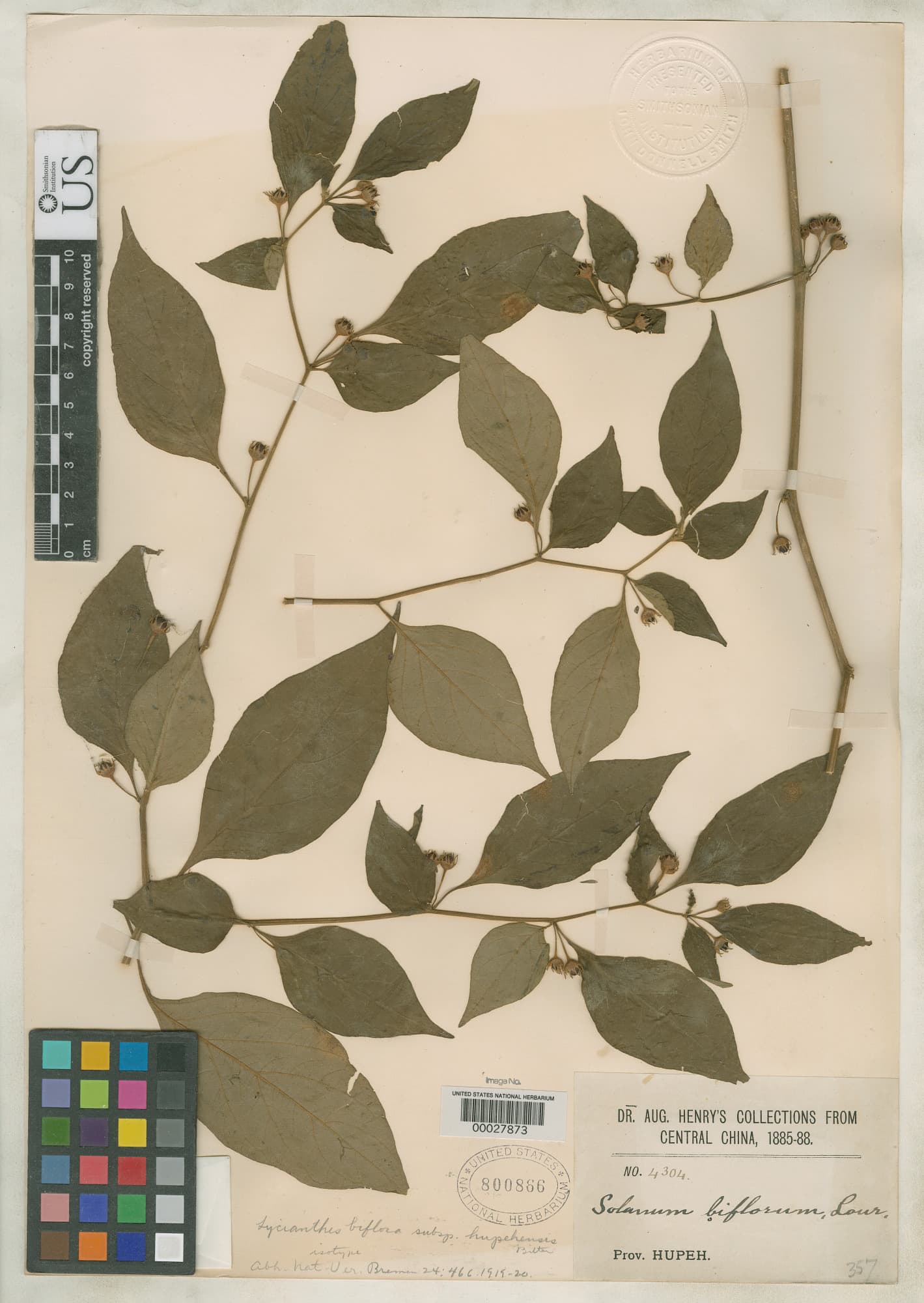
Lycianthes hupehensis
Image: Ingrid P. Lin (cc0)
NameLycianthes hupehensis
Scientific NameLycianthes hupehensis
Common NamesHubei Lycianthes, 湖北茄 (Húběi qié)
Plant FamilySolanaceae
Natural HabitatNative to Central China, specifically Hubei Province, where it typically grows in forests, thickets, and along roadsides at various elevations.
Parts Usedleaf,fruit,whole_plant
Medicinal Actionsanti-inflammatory, antimicrobial, antioxidant
Traditional UsesIn traditional Chinese medicine, related Lycianthes species have been used for their anti-inflammatory and analgesic properties, often applied to treat fevers, pain, and certain infections. Specific documented uses for L. hupehensis are limited in widely accessible literature but align with the general medicinal applications of the genus.
Active Constituentssteroidal alkaloids, saponins, flavonoids
Preparation Methodsinfusion, decoction, powder
Contraindications & WarningsAs with many Solanaceae plants, Lycianthes species may contain steroidal alkaloids that can be toxic if consumed in large quantities. Use with caution and under professional guidance. Not recommended for pregnant or nursing women, or individuals with liver or kidney conditions.
Cultivation NotesPrefers well-drained soil and can tolerate partial shade to full sun. It is adapted to the temperate climate of Central China, suggesting it thrives in moderate temperatures and humidity.
Rarityuncommon
Description
Lycianthes hupehensis is a herbaceous perennial or small shrub belonging to the nightshade family. It features simple, alternate, ovate to lanceolate leaves and produces small, axillary flowers that develop into berries.