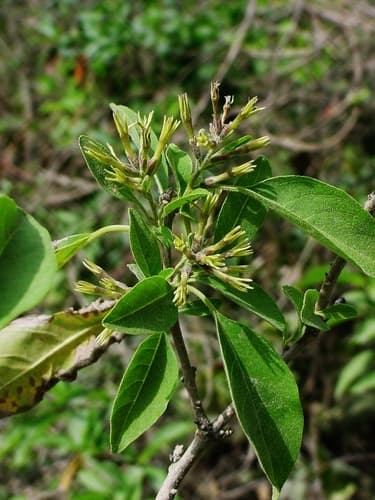
Bushy Cestrum
NameBushy Cestrum
Scientific NameCestrum parqui
Common NamesBushy Cestrum, Green Cestrum, Palqui, Chilean Cestrum
Plant FamilySolanaceae
Natural HabitatNative to South America (Chile, Argentina, Uruguay), it thrives in a variety of habitats including open woodlands, disturbed areas, roadsides, and riverbanks. It can tolerate a range of soil types and climates.
Parts Usedleaf,bark,root
Medicinal Actionsanalgesic, anti-inflammatory
Traditional UsesTraditionally, in some South American folk medicine, preparations from the leaves and bark were used externally as poultices for pain and inflammation, and internally (with extreme caution due to high toxicity) for fevers and as a purgative.
Active ConstituentsParquine, Cestrine, Saponins, Flavonoids
Preparation Methodsinfusion, decoction, poultice
Contraindications & WarningsEXTREMELY TOXIC TO HUMANS AND LIVESTOCK IF INGESTED. All parts of the plant, especially the berries and leaves, contain toxic alkaloids that can cause severe gastrointestinal distress, neurological symptoms, and death. Should not be used internally or externally without expert guidance, and is generally avoided due to high risk.
Cultivation NotesA hardy, fast-growing shrub that can become invasive in suitable climates. It prefers full sun to partial shade and well-drained soil. Tolerant of drought and various soil conditions once established. Propagated by seed or cuttings.
Raritycommon
Description
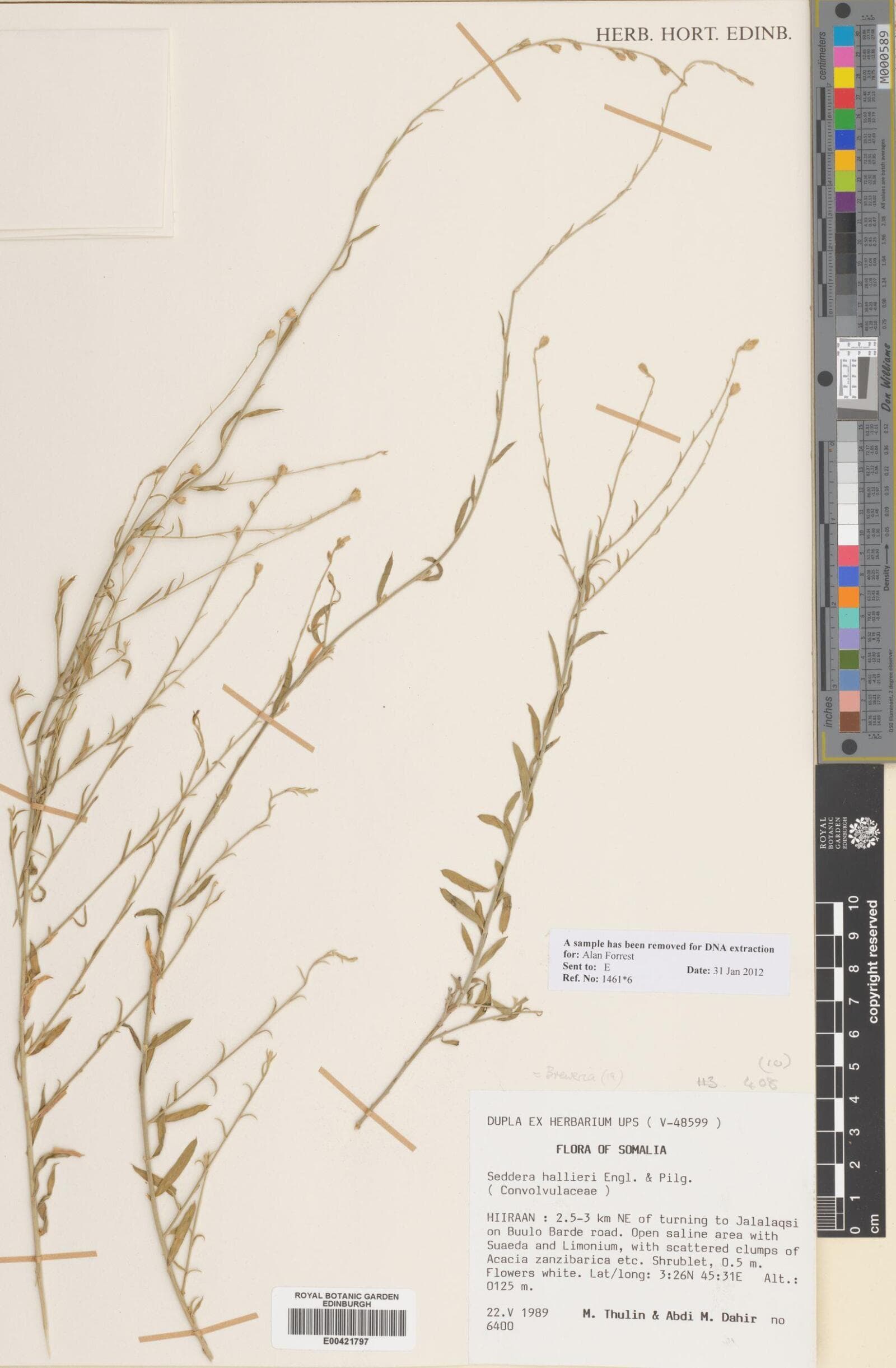
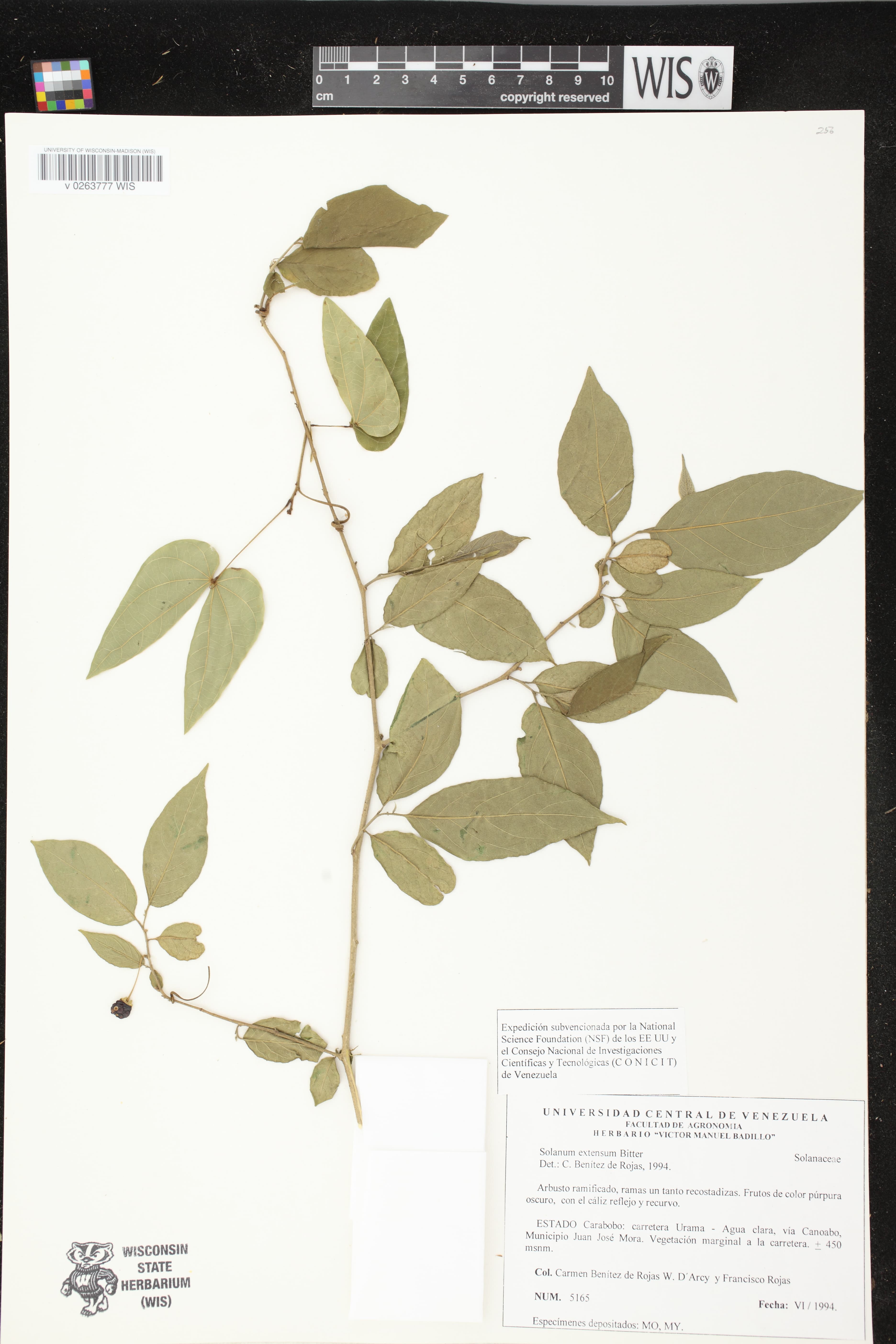
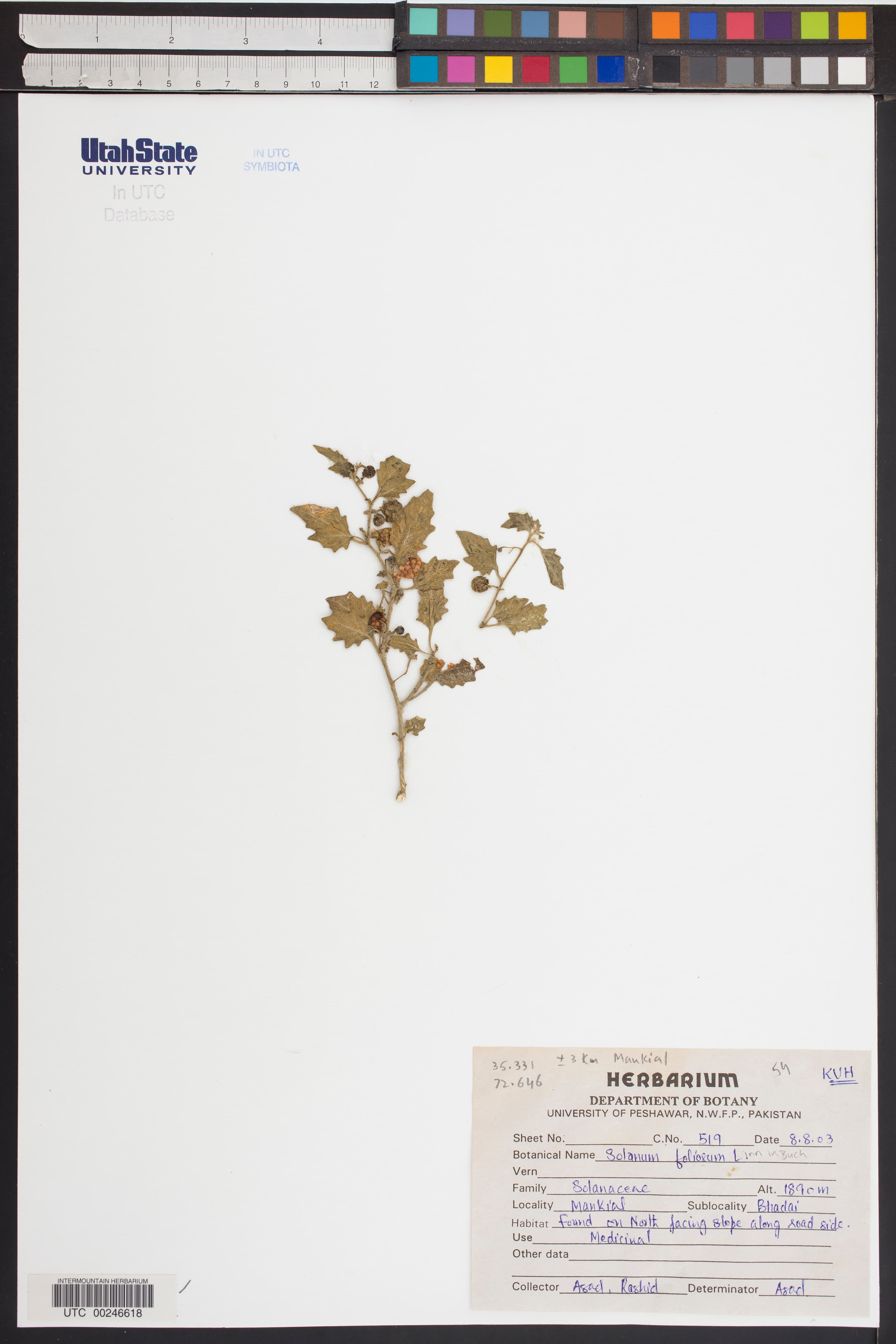
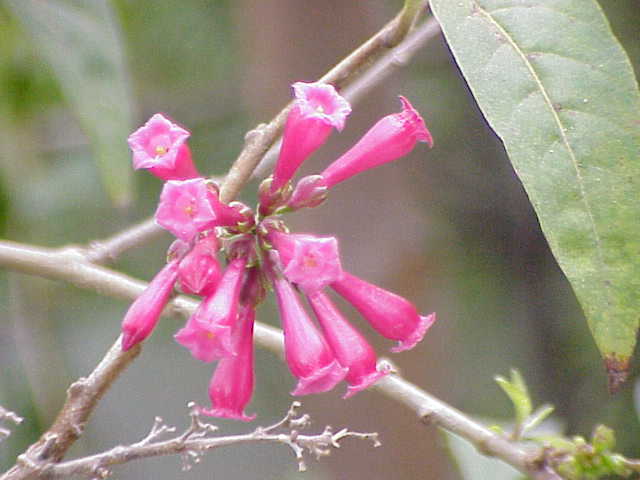
A deciduous or semi-evergreen shrub growing up to 3-5 meters tall, featuring slender branches, simple alternate leaves, and clusters of tubular, greenish-yellow flowers that bloom primarily in summer and autumn. The flowers are followed by small, dark purple to black berries.