Nasa peltiphylla
NameNasa peltiphylla
Scientific NameNasa peltiphylla
Common NamesStinging Loasa
Plant FamilyLoasaceae
Natural HabitatNative to the Andean regions of Peru, it typically thrives in humid, montane cloud forests and forest edges, often found at higher elevations.
Parts Usedleaf,flower
Medicinal Actionsanalgesic, anti-inflammatory
Traditional UsesWhile specific traditional medicinal uses for Nasa peltiphylla are not widely documented, other species within the Nasa genus, known for their stinging hairs, have been traditionally used topically as a counter-irritant for rheumatic pains, muscle aches, and other localized discomforts. The stinging sensation is believed to stimulate local circulation and provide a distracting analgesic effect.
Active Constituentshistamine, acetylcholine, serotonin, various peptides
Preparation Methodspoultice
Contraindications & WarningsDirect contact with the plant's stinging hairs can cause significant skin irritation, redness, swelling, and pain. Individuals with sensitive skin or allergies should avoid contact. Internal use is not recommended due to the stinging properties.
Cultivation NotesThis species prefers cool, humid conditions with partial shade, mimicking its native cloud forest habitat. It requires well-draining, rich soil and consistent moisture. Propagation is typically by seed or cuttings, but handling requires caution due to the stinging hairs.
Rarityuncommon
Description
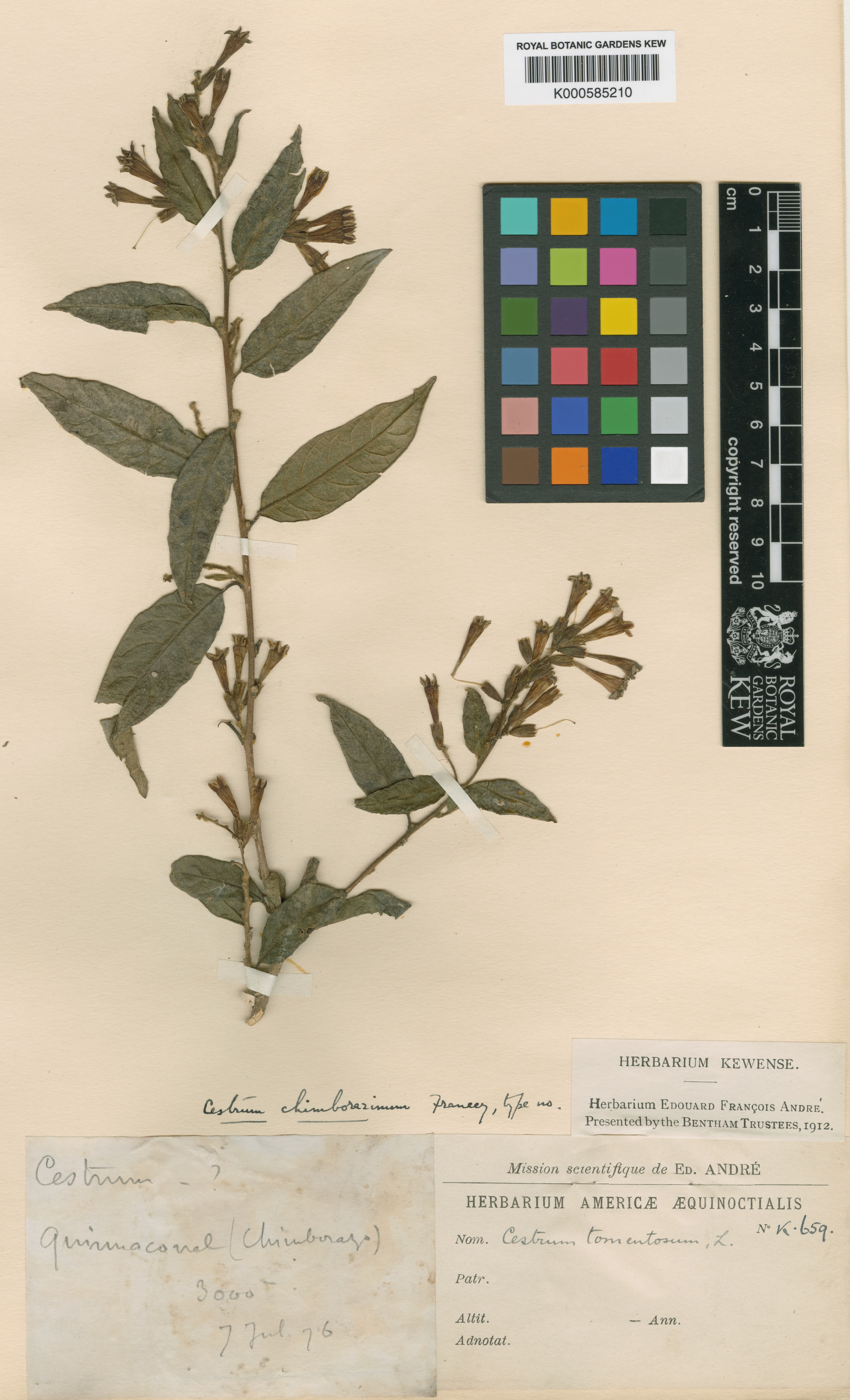
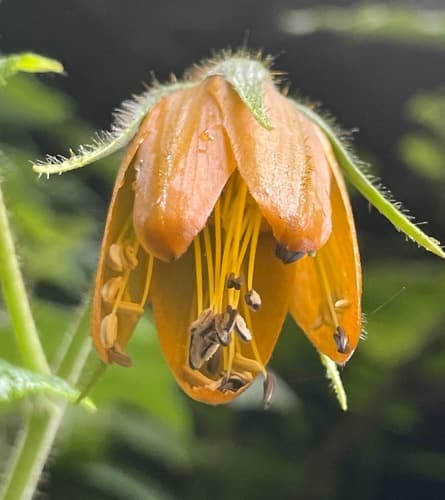
Nasa peltiphylla is a herbaceous plant characterized by its striking, pendulous, bell-shaped orange flowers with numerous long, yellow stamens. The plant is notable for its bristly, often stinging hairs covering the stems and calyx, and typically features large, peltate leaves.