Balm of Gilead
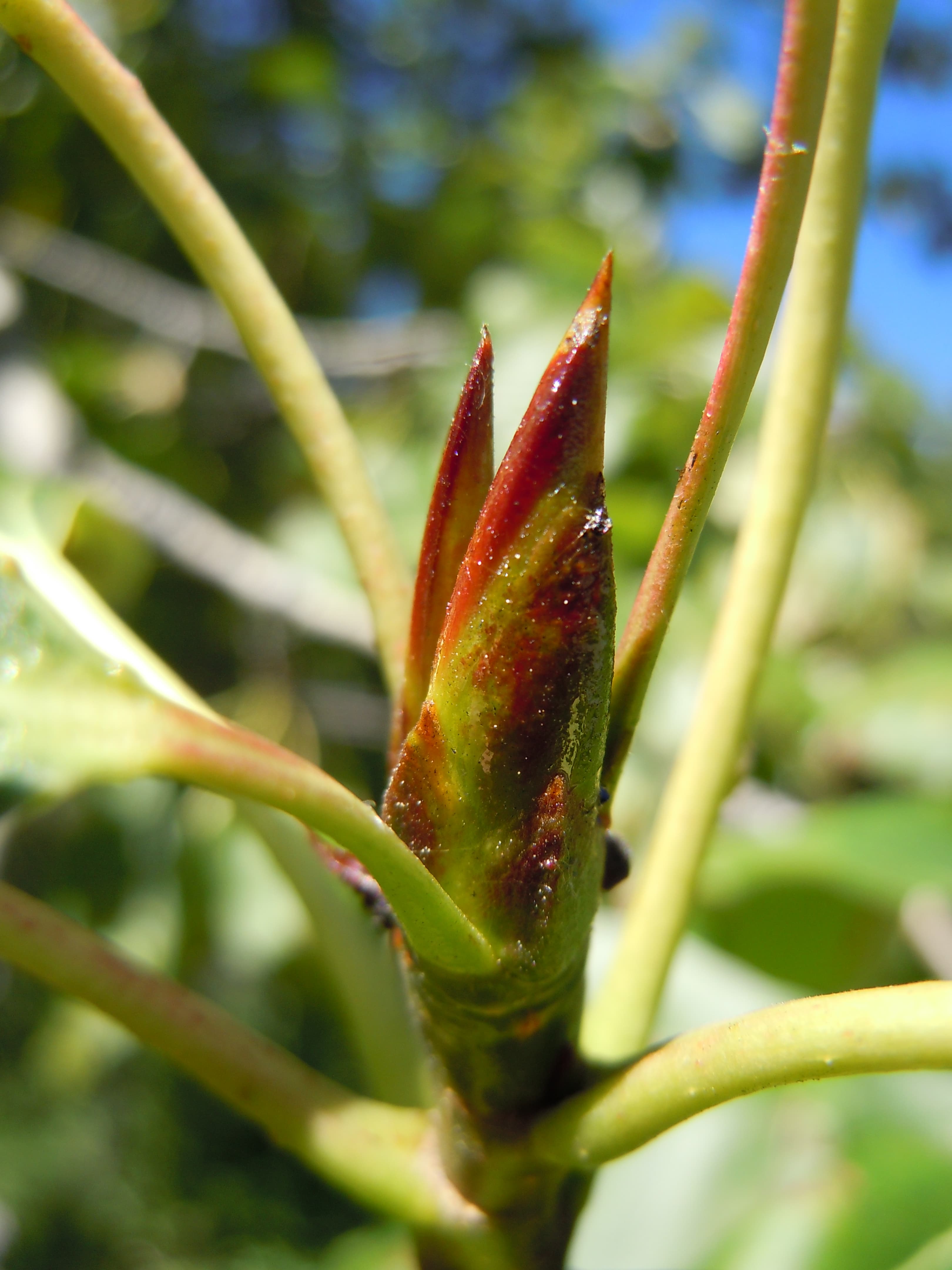
Image: Matt Lavin from Bozeman, Montana, USA (CC BY-SA 2.0)
NameBalm of Gilead
Scientific NamePopulus balsamifera
Common NamesBalm of Gilead, Balsam Poplar, Tacamahac
Plant FamilySalicaceae
Natural HabitatNative to northern North America, it thrives in moist to wet soils, commonly found along riverbanks, lake shores, wetlands, and in boreal forests. It is often a pioneer species in disturbed areas.
Parts Usedbark,leaf
Medicinal Actionsanalgesic, anti-inflammatory, antimicrobial, expectorant
Traditional UsesTraditionally, the resinous buds of Balm of Gilead have been used to prepare salves and tinctures for relieving pain and inflammation, particularly for arthritis, muscle aches, and minor wounds. It is also used internally as an expectorant for respiratory conditions like coughs, colds, and bronchitis, and for its antimicrobial properties.
Active ConstituentsSalicin, Populin, Flavonoids, Volatile oils, Resins
Preparation Methodstincture, salve, infusion, poultice
Contraindications & WarningsIndividuals with allergies to salicylates (aspirin) should avoid use. Not recommended for pregnant or breastfeeding women, or young children, due to salicylate content. May cause skin irritation in sensitive individuals.
Cultivation NotesThis fast-growing tree prefers full sun to partial shade and consistently moist to wet, well-drained soils. It is tolerant of various soil types but thrives best in rich, loamy conditions. Propagates easily from cuttings.
Raritycommon
Description
Populus balsamifera is a large deciduous tree known for its highly aromatic, sticky terminal buds, which are often reddish-brown and covered in a fragrant resin. Its leaves are typically ovate to lanceolate with finely toothed margins, and the bark is smooth and greenish-gray when young, becoming furrowed with age.