Nasa macrophylla
Image: Nicole Richardson (cc-by-nc)
NameNasa macrophylla
Scientific NameNasa macrophylla
Common NamesOrtiga brava, Pega-pega
Plant FamilyLoasaceae
Natural HabitatNative to the Andean regions of South America, particularly Peru and Bolivia, growing in montane forests, cloud forests, and disturbed areas at moderate to high elevations.
Parts Usedleaf,whole_plant
Medicinal Actionsanalgesic, anti-inflammatory, antimicrobial
Traditional UsesTraditionally used in Andean folk medicine as a counter-irritant for rheumatic pains, arthritis, and muscle aches, often through direct application (urtication) of the stinging leaves to stimulate circulation and alleviate deep-seated pain. It may also be used in poultices for certain skin conditions or infections, requiring careful preparation to manage the stinging hairs.
Active ConstituentsHistamine, Acetylcholine, Serotonin, Formic acid, Flavonoids, Phenolic acids
Preparation Methodspoultice, decoction, tincture
Contraindications & WarningsDirect contact with the plant's stinging hairs can cause severe skin irritation, redness, and blistering. Not recommended for internal use without expert guidance. Avoid contact with eyes and mucous membranes. Individuals with sensitive skin or allergies, as well as pregnant or nursing women and young children, should avoid use.
Cultivation NotesPrefers moist, well-drained soil in partial shade and a humid environment. Can be propagated by seed. Due to its stinging nature, handle with protective gloves during cultivation and harvesting.
Rarityuncommon
Description
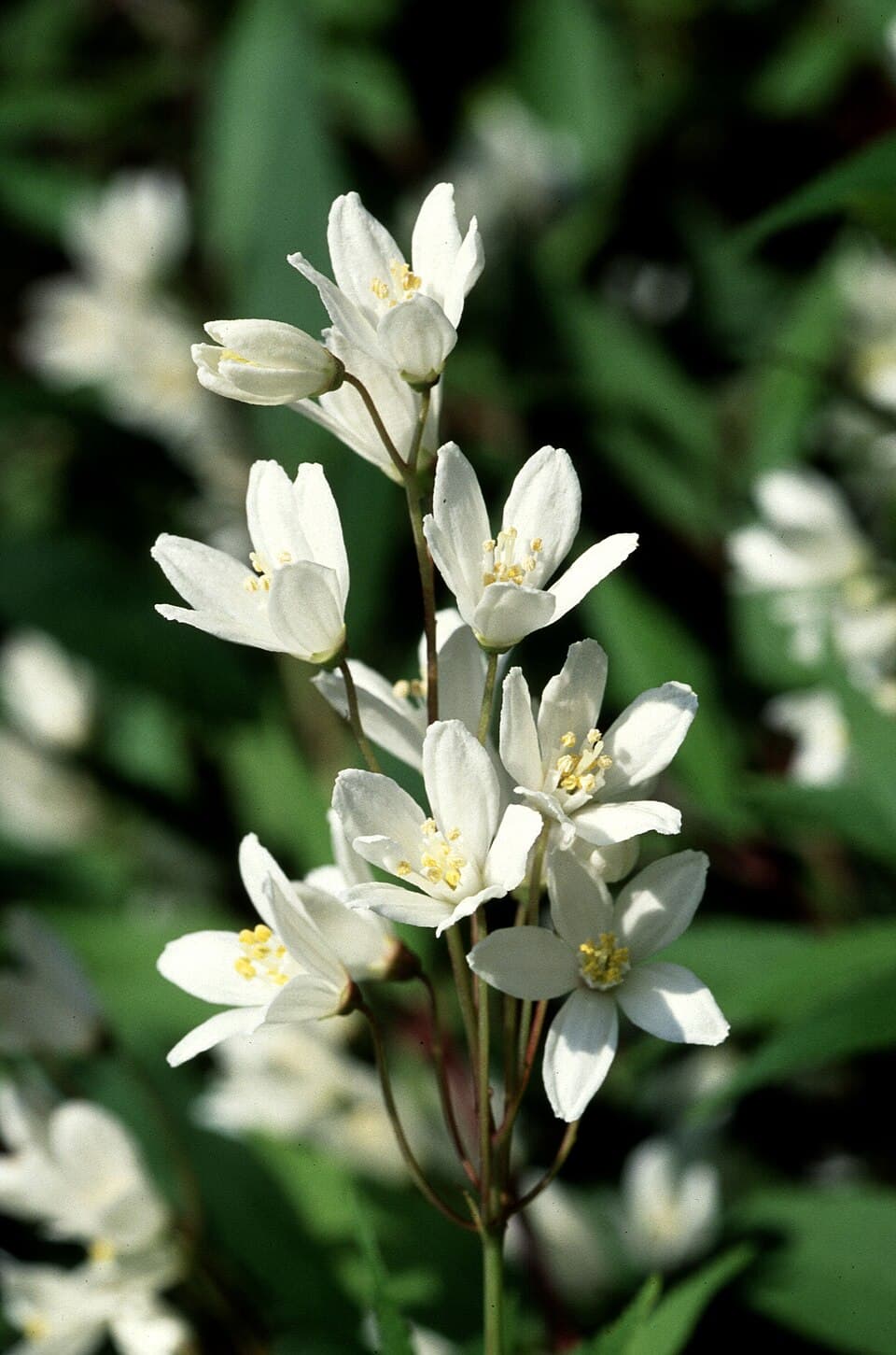
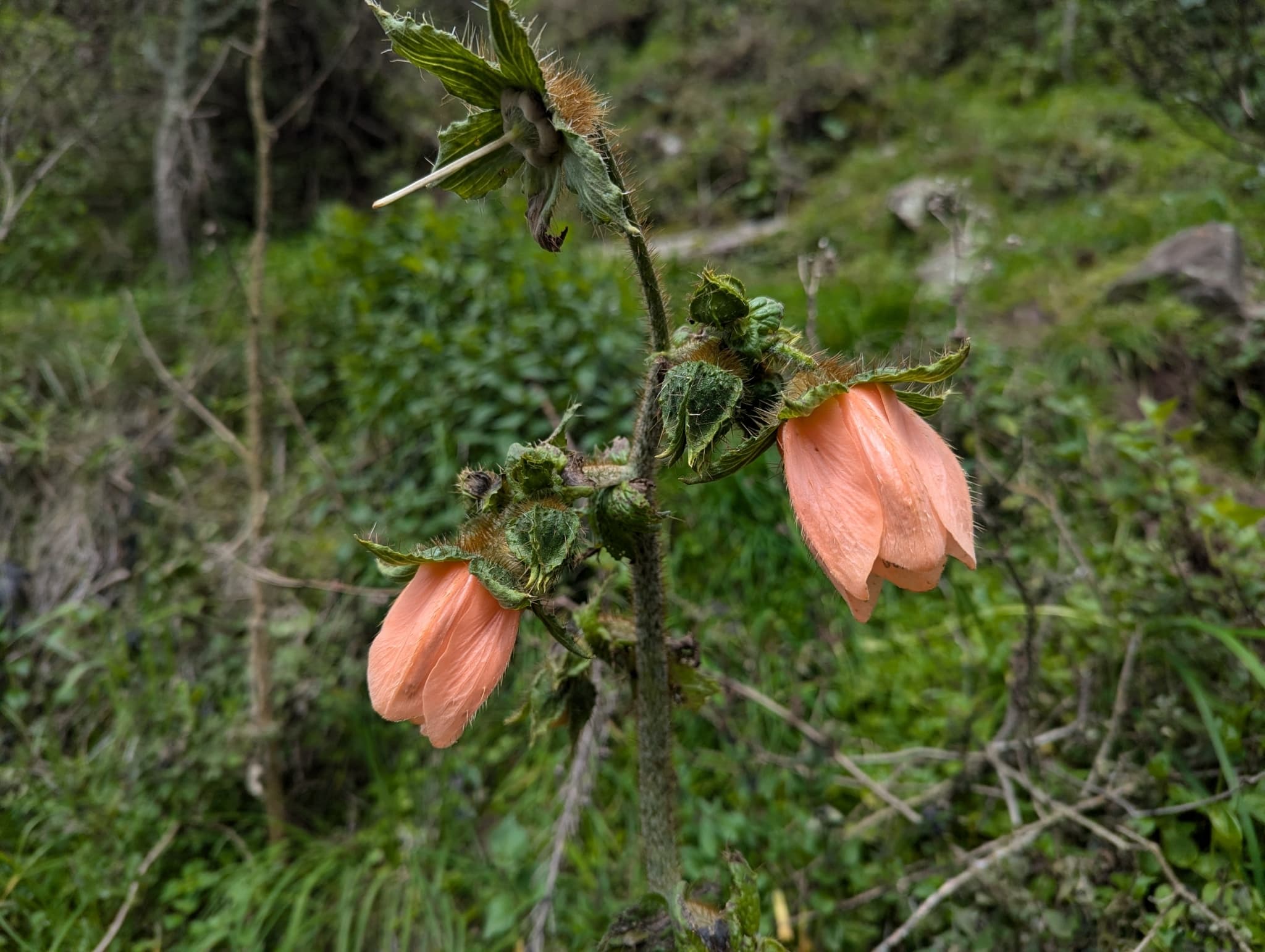
Nasa macrophylla is a herbaceous plant characterized by its robust, often hairy stems and large, deeply lobed leaves. The plant is notable for its stinging hairs (glochids), which can cause irritation upon contact. It produces striking, bell-shaped flowers, typically a vibrant orange or peach color, as seen in the image, often borne in terminal or axillary inflorescences.