Elliptic-leaved Elm
Image: Fayvush,G. [Ֆայվուշի,Գ.; Файвуш Г.] et al. (cc-by-sa)
NameElliptic-leaved Elm
Scientific NameUlmus elliptica K.Koch
Common NamesElliptic-leaved Elm, Armenian Elm, Elm
Plant FamilyUlmaceae
Natural HabitatNative to mountainous regions of Armenia, specifically found in areas like Kotayk province, Hrazdan district, near Tsaghkadzor, within Quercus macranthera (Caucasian Oak) forests at altitudes around 2100 meters.
Parts Usedbark,leaf
Medicinal Actionsdemulcent, astringent, anti-inflammatory, antioxidant
Traditional UsesWhile specific traditional uses for Ulmus elliptica are not widely documented, other species within the Ulmus genus (like Ulmus rubra) are traditionally used for their demulcent properties. The inner bark is often employed to soothe irritated mucous membranes of the digestive and respiratory tracts, alleviate coughs, sore throats, and treat skin conditions, wounds, and inflammations due to its mucilage content.
Active Constituentsmucilage, tannins, flavonoids
Preparation Methodsdecoction, infusion, powder, poultice
Contraindications & WarningsGenerally considered safe, but large doses of mucilage-rich preparations may interfere with the absorption of other medications if taken concurrently. It is advisable to take elm preparations a few hours apart from other drugs.
Cultivation NotesElms typically prefer well-drained, fertile soil and thrive in full sun to partial shade. They are generally hardy but can be susceptible to Dutch Elm Disease, which has devastated many elm populations worldwide. Propagation is usually by seed or cuttings.
Raritycommon
Description
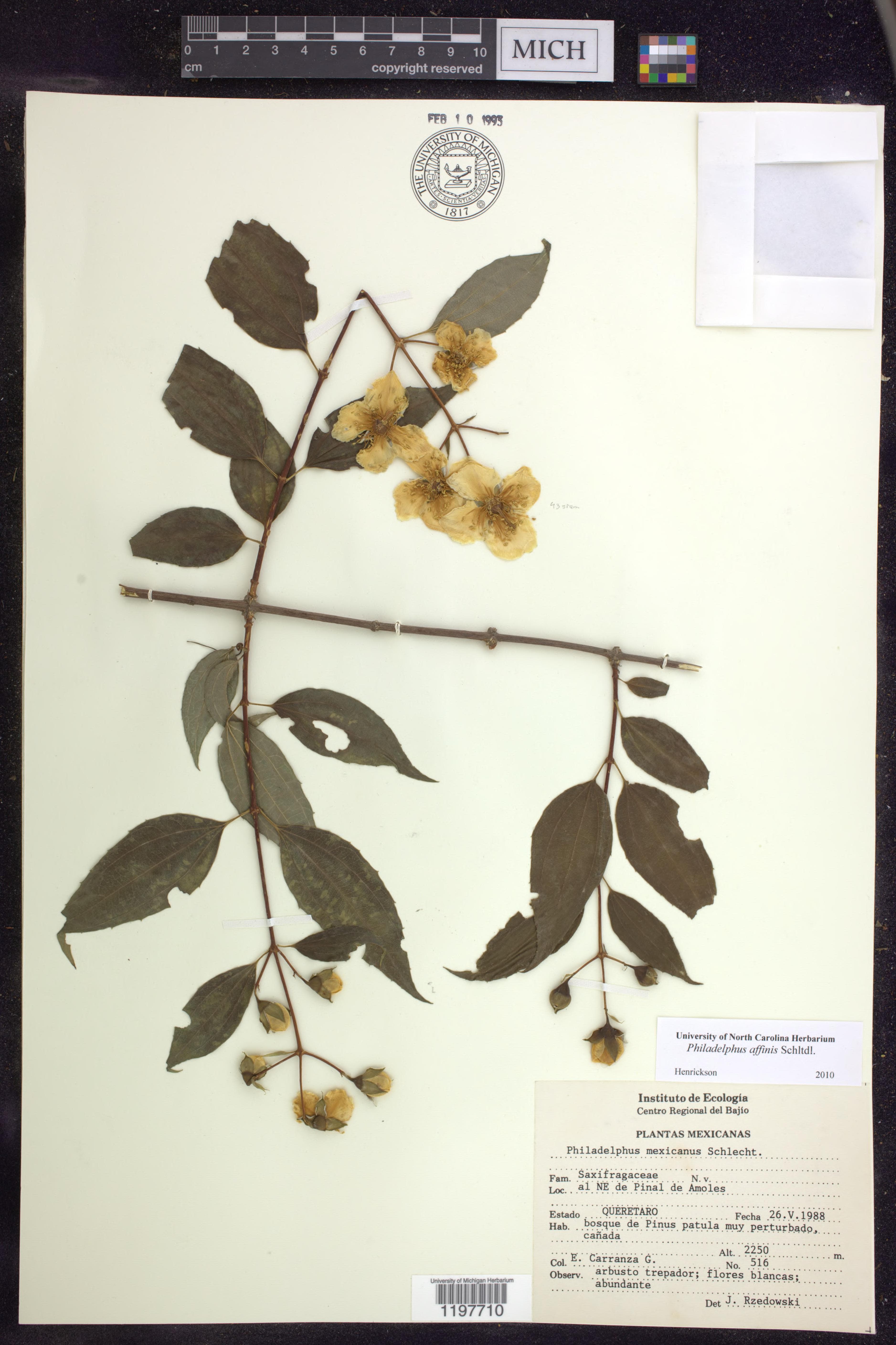
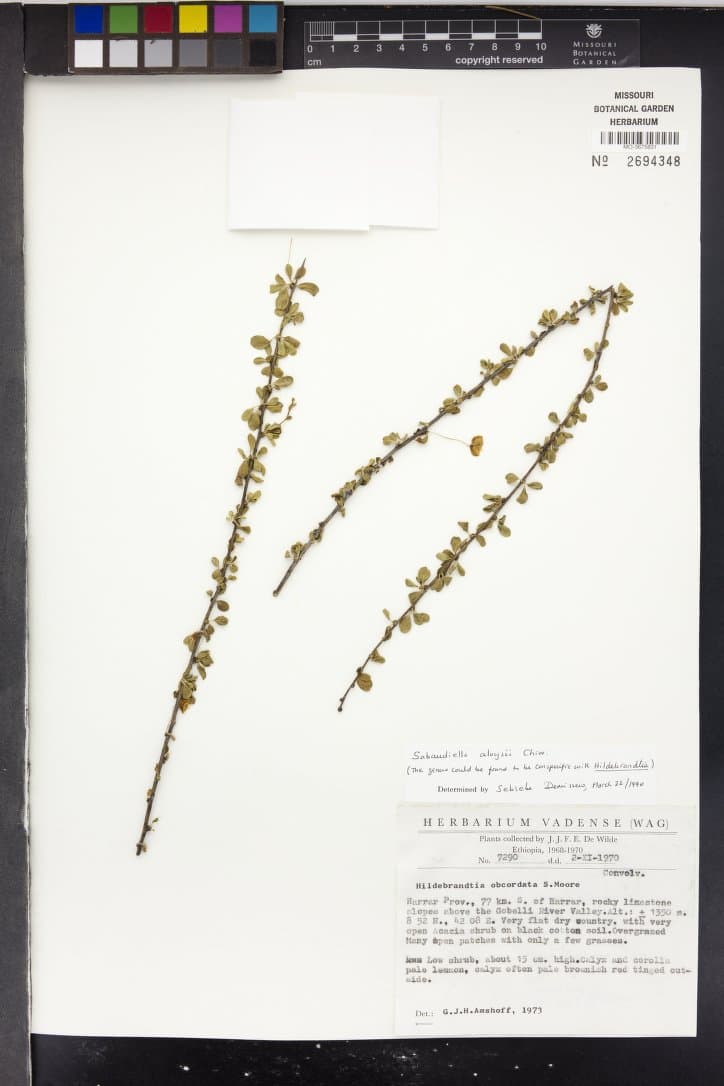
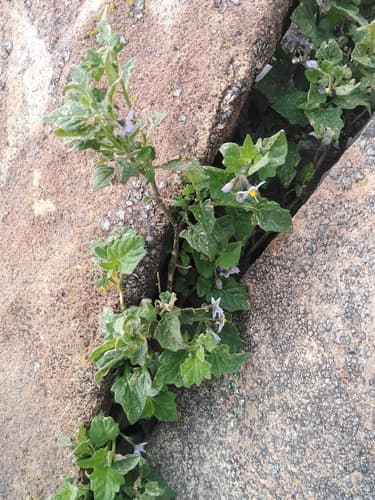
Ulmus elliptica is a deciduous tree characterized by its alternate, simple leaves that are typically ovate to elliptic with sharply serrated margins and prominent venation. The specimen shows dried branches with numerous leaves, indicative of a woody plant.